
Your bathroom is one of the most frequently used spaces in your home, and because of the constant exposure to moisture, it’s also one of the most susceptible to leaks, mold, and mildew. Poor ventilation, hidden leaks, and excess humidity can lead to persistent odors, damage to surfaces, and even potential health risks.
Keeping your bathroom fresh and functional requires a proactive approach, including regular maintenance, proper ventilation, and strategic upgrades to prevent water-related issues.
In areas like Louisville, where seasonal temperature fluctuations and humidity levels can contribute to excess moisture buildup, homeowners need durable and water-resistant bathroom fixtures.
Whether you’re dealing with an aging shower, recurring leaks, or mold-prone surfaces, making the right improvements can significantly enhance your bathroom’s longevity and overall hygiene.
By addressing common problem areas and implementing simple daily habits, you can maintain a bathroom that stays dry, clean, and in great condition.

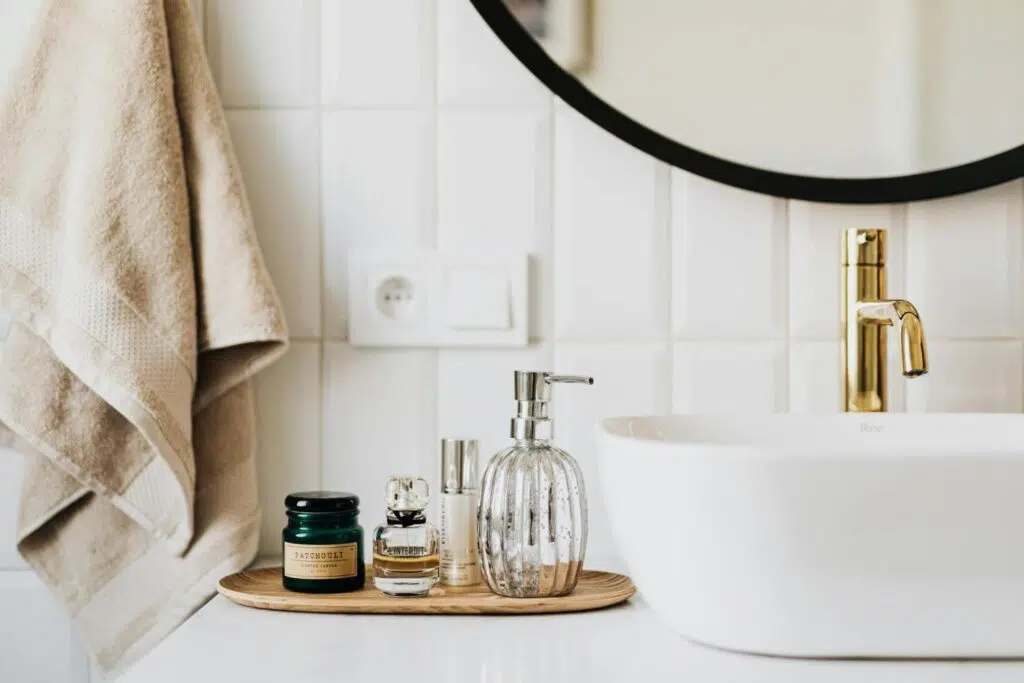
In this guide, we’ll explore essential ways to prevent leaks, control moisture, and keep mold and mildew at bay, starting with one of the biggest factors in bathroom durability: your shower.
Upgrading Your Shower for a Leak-Free Bathroom
A well-installed shower is essential for preventing leaks and reducing excess moisture in your bathroom.
Outdated or poorly installed showers can lead to water seepage, which encourages mold and mildew growth behind walls and under flooring. Upgrading to a new, waterproof system can help eliminate these risks while also enhancing the overall functionality of your space.
For homeowners dealing with persistent moisture issues, a professional Louisville shower installation can be a valuable investment in both aesthetics and durability.
It will ensure proper fitting and sealing, preventing water from escaping into unwanted areas.
A properly installed shower minimizes water leaks, enhances efficiency, and contributes to a healthier bathroom environment.
Modern shower designs often include seamless enclosures, non-porous materials, and high-quality caulking to create a water-resistant environment. Proper drainage systems and slip-resistant surfaces further improve safety and efficiency, helping to keep your bathroom clean and free from lingering moisture.
Beyond leak prevention, a shower upgrade can also improve energy efficiency by reducing water waste.
Many modern systems are designed to conserve water while maintaining strong water pressure, giving homeowners a more eco-friendly and cost-effective solution.
By choosing a high-quality shower installation, you can enhance both the appearance and durability of your bathroom while minimizing future maintenance concerns.
Preventing Mold and Mildew Growth with Proper Ventilation
One of the most effective ways to prevent mold and mildew in your bathroom is by ensuring proper airflow. Moisture lingers in the air long after a shower or bath, and without adequate ventilation, it can settle on surfaces, creating the perfect environment for microbial growth.
Installing an exhaust fan is one of the best ways to remove excess humidity from the bathroom.
Running the fan during and after showers helps prevent condensation buildup on walls, ceilings, and fixtures. If your bathroom doesn’t have a built-in fan, opening a window or using a portable dehumidifier can help regulate moisture levels.
Regularly cleaning vents and air filters ensures that your ventilation system is working efficiently. Dust and debris can accumulate over time, reducing the effectiveness of exhaust fans.
Keeping these components clean improves air circulation and prevents damp air from lingering in the bathroom.
Identifying and Fixing Hidden Leaks
Leaks are one of the primary causes of mold and mildew in bathrooms, and in many cases, they go unnoticed until significant damage has occurred.
Small, persistent leaks behind walls, under sinks, or beneath flooring can lead to structural issues and costly repairs.
Common signs of hidden leaks include musty odors, peeling paint, warped walls or flooring, and unexpected increases in water bills. If you notice any of these issues, it’s important to investigate further to locate the source of the problem.
Checking under sinks, inspecting grout and caulking for cracks, and looking for water stains on ceilings or walls can help identify leaks before they escalate.
Addressing leaks early can prevent extensive damage and reduce the risk of mold growth. If leaks persist or if they originate from plumbing hidden behind walls, consulting a professional plumber can ensure proper repairs and long-term prevention.
Choosing Mold-Resistant Materials for Long-Term Protection
Using mold-resistant materials in your bathroom can significantly reduce the risk of moisture-related problems. Traditional drywall and porous surfaces absorb moisture, creating ideal conditions for mold to thrive.
Opting for waterproof materials helps prevent water damage and makes cleaning easier.
Consider installing water-resistant wall panels or mold-resistant drywall, especially in areas prone to moisture buildup.
These materials are designed to withstand high humidity levels and prevent water from seeping into walls. For flooring, tile, vinyl, or sealed stone are great choices since they are non-absorbent and easy to maintain.
Grout-free shower surrounds and mildew-resistant paint further minimizes areas where mold can develop. Regularly sealing grout lines and using waterproof caulking around tubs, sinks, and showers add extra protection against moisture penetration.
By selecting the right materials, homeowners can create a bathroom that is not only stylish but also durable and resistant to common water-related issues.
Daily Habits to Keep Your Bathroom Fresh
In addition to making structural improvements, small daily habits can go a long way in maintaining a fresh and mold-free bathroom.
After each shower, wiping down surfaces with a squeegee or microfiber cloth helps remove excess water before it has a chance to settle. Keeping shower doors or curtains open allows air to circulate, speeding up the drying process.
Using moisture-absorbing products, such as silica gel packs or baking soda, in cabinets and drawers helps prevent humidity buildup in storage areas. Additionally, replacing old shower curtains or liners with mildew-resistant options reduces the likelihood of mold forming in hidden creases.
Cleaning your bathroom regularly with natural mold-inhibiting solutions like vinegar or hydrogen peroxide can prevent microbial growth before it becomes a larger problem. Avoid using harsh chemical cleaners that may damage surfaces or leave behind residues that trap moisture.
By incorporating these simple daily habits, homeowners can keep their bathrooms smelling fresh and looking clean while preventing long-term moisture issues.
Keeping your bathroom fresh and functional requires a proactive approach to moisture control, leak prevention, and proper ventilation. By investing in a well-installed shower, maintaining airflow, fixing leaks promptly, and choosing mold-resistant materials, you can create a bathroom that stays clean and problem-free.
Incorporating small daily habits, such as wiping down wet surfaces and using proper ventilation, further ensures that your bathroom remains mold-free and comfortable.
By staying ahead of potential water-related problems, you can enjoy a fresher, cleaner, and more functional bathroom for years to come.