
Driving with precious cargo requires extra care. Every time you buckle your baby or toddler into their car seat, you’re making a crucial decision that could save their life.
Despite advances in vehicle safety technology, car accidents remain a leading cause of injury and death for children.
The good news? Most of these tragedies are preventable with proper car safety practices.
Why Is Car Safety Critical for Babies and Toddlers?
Young children are especially vulnerable during car crashes. Their developing bodies—particularly their disproportionately large heads and developing neck muscles—simply can’t withstand the same forces as adults.
According to the National Highway Traffic Safety Administration (NHTSA), car crashes claim the lives of approximately 3-4 children under age 14 every day in America.
Using the right car seat correctly reduces the risk of fatal injury by 71% for infants and 54% for toddlers.

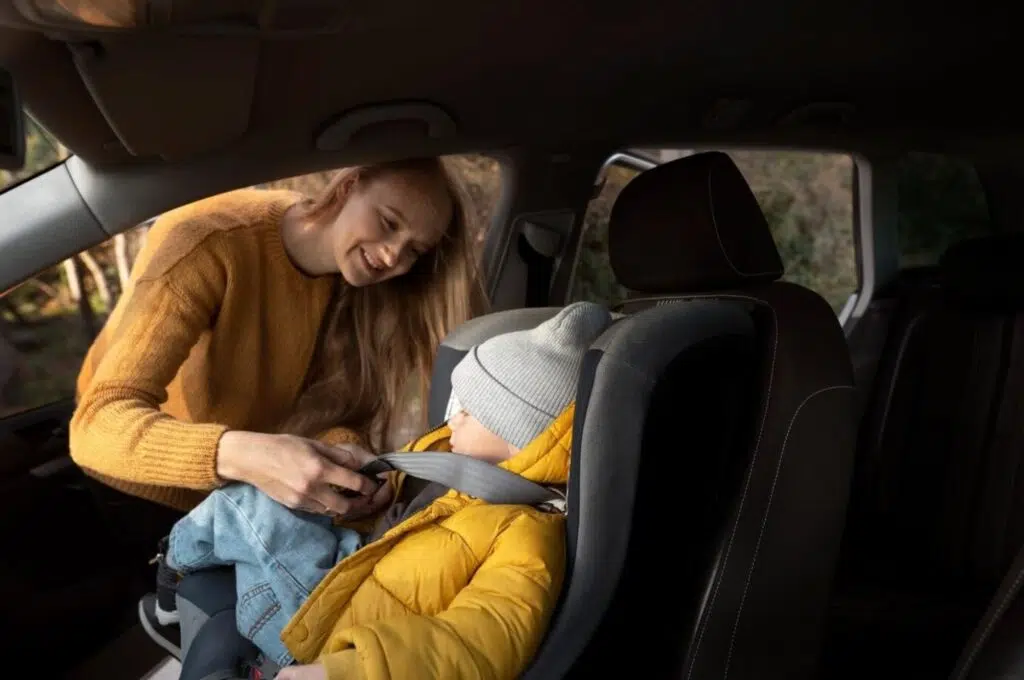
Yet despite this effectiveness, the NHTSA estimates that 46% of car seats and booster seats are used incorrectly.
What Are the Best Car Safety Tips for Babies & Toddlers?
1. Choose the Right Car Seat for Your Child’s Age & Size
Selecting the appropriate car seat is your first critical decision. Rear-facing seats provide the best protection for infants and young toddlers, cradling the head, neck, and spine while distributing crash forces across the strongest parts of the body.
Parents often face a choice between infant-only seats and convertible models. Infant seats are designed specifically for babies, typically supporting children up to 22-35 pounds and offering portability.
Convertible seats transform from rear-facing to forward-facing as your child grows, offering longer use but less portability.
Always check weight and height limits before purchasing. Don’t rush transitions between seat types—maxing out the limits of each stage keeps your child safer longer.
2. Ensure Proper Car Seat Installation
Even the most expensive car seat fails if installed incorrectly. You have two main options for securing the seat: the LATCH system (Lower Anchors and Tethers for Children) or seat belts. Both methods are equally safe when used correctly.
Local fire stations, hospitals, and police departments often offer free car seat checks.
3. Always Use the 5-Point Harness Correctly
The 5-point harness secures your child at the shoulders, hips, and between the legs, distributing crash forces across the strongest parts of the body. Straps should lie flat without twists, and the chest clip belongs at armpit level—not on the abdomen or neck.
Perform the “pinch test” each time you buckle your child in. If you can pinch a horizontal fold in the strap at the shoulder, it’s too loose. This simple check takes seconds but could save your child’s life in a crash.
4. Keep Babies & Toddlers Rear-Facing for as Long as Possible
The American Academy of Pediatrics (AAP) recommends keeping children rear-facing until they reach the maximum height or weight limit for their convertible seat. For many children, this means staying rear-facing until age 2, 3, or even 4.
When rear-facing, the car seat cradles the child’s head, neck, and spine, distributing crash forces evenly across the body.
Don’t rush this transition. Your child is ready for forward-facing only when they’ve exceeded either the height or weight limit of their rear-facing seat.
5. Avoid Bulky Clothing That Can Affect Car Seat Safety
Thick coats and snowsuits create a dangerous gap between the harness and your child’s body.
To test if a coat is too bulky, buckle your child into their seat wearing the coat. Without loosening the harness, unbuckle and remove your child. Take off the coat, put your child back in the seat, and rebuckle. If you can tighten the harness significantly more, the coat is too thick.
Safer alternatives include thin fleece jackets, putting the coat on backward after buckling, or simply placing blankets over your child after they’re properly secured.
6. Secure Loose Objects to Prevent Injury
That innocent-looking stuffed animal or sippy cup becomes a dangerous projectile during a crash. Objects in your car can multiply in force by 20-30 times their weight during a collision.
Store heavy items in the trunk or secure them with cargo anchors. For items needed during the drive, use nets or organizers attached to the back of the front seats. Soft toys are safer than hard ones if your child needs something to hold.
7. Never Leave a Child Unattended in a Vehicle
The inside of a car can reach deadly temperatures in minutes, even on mild days. A car’s interior can heat up by 20 degrees in just 10 minutes. Children’s bodies warm 3-5 times faster than adults’, making them especially vulnerable to heatstroke.
Create reminders to check the back seat every time you exit your vehicle. Place your phone, purse, or briefcase next to your child’s car seat so you’ll need to check the back before leaving.
8. Use Window Shades and Sun Protection
Direct sunlight through car windows can cause sunburn and overheating, even in cooler weather. UVA rays penetrate glass and can damage children’s sensitive skin. Choose window shades that attach securely and won’t become projectiles in a crash.
Remember that window shades alone don’t prevent overheating. Always check the temperature in the back seat, particularly on sunny days.
9. Set a Good Example with Your Own Seat Belt Use
Children learn by watching you. Research shows that parents who consistently wear seat belts have children who are more likely to accept car seats and later use seat belts properly themselves.
Make buckling up a non-negotiable family rule. Verbalize the importance of seat belts, even when driving short distances.
10. Know When to Replace a Car Seat
Car seats don’t last forever. Most have expiration dates printed on the manufacturer’s label—typically 6-10 years from production. Materials degrade over time, and safety standards evolve.
Always replace a car seat after a moderate to severe crash, even if no visible damage exists. Register your car seat with the manufacturer to receive recall notifications.
What Are the Legal Requirements for Car Seats?
Car seat laws vary by state, but all require some form of child restraint system. Most states require rear-facing seats until at least age 1 and 20 pounds, though many have updated laws to match the AAP’s recommendations.
Penalties for non-compliance typically include fines ranging from $25 to over $500, depending on the state and severity of the violation.
Stay informed about your state’s specific requirements through your state’s Department of Transportation website.
What to Do If Your Child Is Injured in a Car Accident?
If the unthinkable happens, prioritize immediate medical attention—even if injuries aren’t immediately apparent. Children may not communicate pain clearly, and some injuries develop symptoms hours or days after an accident.
Document everything at the scene if possible. Take photos of the vehicles, car seats, and any visible injuries. Collect contact information from witnesses and insurance details.
If your child sustains injuries in a crash, consult DiBella Law Injury and Accident Lawyers. As a top-rated Boston car accident lawyer, they offer a free consultation and work on a no-win, no-fee basis to help you secure the compensation your family deserves.
Final Thoughts
Car safety for babies and toddlers isn’t just about following rules—it’s about protecting the most precious passengers on the road.
By implementing these ten essential safety tips, you dramatically reduce the risk of injury and create a safer travel environment for your little ones.
Remember that proper car seat use is a journey that evolves as your child grows.
The extra time and attention you invest in car safety today may be the most important parenting decision you ever make.