
Drinking water is essential for our bodies to function correctly. It helps regulate body temperature, transport nutrients, and flush out toxins.
However, there has been a growing concern that drinking too much water can also be harmful to our health.
In this article, we’ll explore whether it’s possible to drink too much water, the symptoms of water intoxication, and how to maintain a healthy water intake.
What is water intoxication?
Water intoxication, also known as hyponatremia, occurs when the concentration of sodium in your blood becomes too diluted.
This can happen when you drink too much water and don’t consume enough electrolytes to balance it out.

As a result, the excess water enters your cells, causing them to swell, which can lead to various symptoms and, in severe cases, be life-threatening.
Symptoms of water intoxication
The symptoms of water intoxication can range from mild to severe and may include:
- Nausea and vomiting
- Headaches
- Confusion and disorientation
- Muscle weakness, cramps, or spasms
- Seizures
- Coma
- Death
It’s worth noting that water intoxication is rare and is more likely to occur in people who drink excessive amounts of water during endurance events, such as marathons, or take part in water-drinking contests.
However, it’s essential to be aware of the symptoms and take steps to prevent it.
How much water is too much?
The amount of water you can safely drink depends on various factors, such as your age, sex, weight, and activity level.
As a general rule, most healthy adults can safely drink up to 3-4 liters (100-135 ounces) of water per day. However, it’s important to note that this includes water from all sources, including food and beverages.
If you’re concerned about how much water you should be drinking, it’s best to speak with your doctor or a registered dietitian who can provide personalized recommendations based on your individual needs.
Preventing water intoxication
The good news is that water intoxication is preventable. Here are some tips to help you maintain a healthy water intake and avoid overhydration:
- Pay attention to your body’s signals: Thirst is your body’s way of telling you that it needs more water. So, listen to your body and drink when you’re thirsty.
- Monitor your urine color: Your urine color can indicate how hydrated you are. If your urine is pale yellow or clear, you’re likely drinking enough water. However, if it’s dark yellow or amber, you may need to drink more water.
- Don’t drink excessively during endurance events: If you’re participating in an endurance event, such as a marathon, drink water in moderation and ensure you consume electrolytes to balance out the water intake.
- Avoid drinking large amounts of water at once: Drinking too much water in a short period can overwhelm your body’s ability to excrete the excess water, leading to water intoxication. Instead, sip water slowly throughout the day.
- Consider other sources of hydration: Water is not the only source of hydration. Eating water-rich foods, such as fruits and vegetables, can also help you stay hydrated.
Using a water dispenser for safe water intake
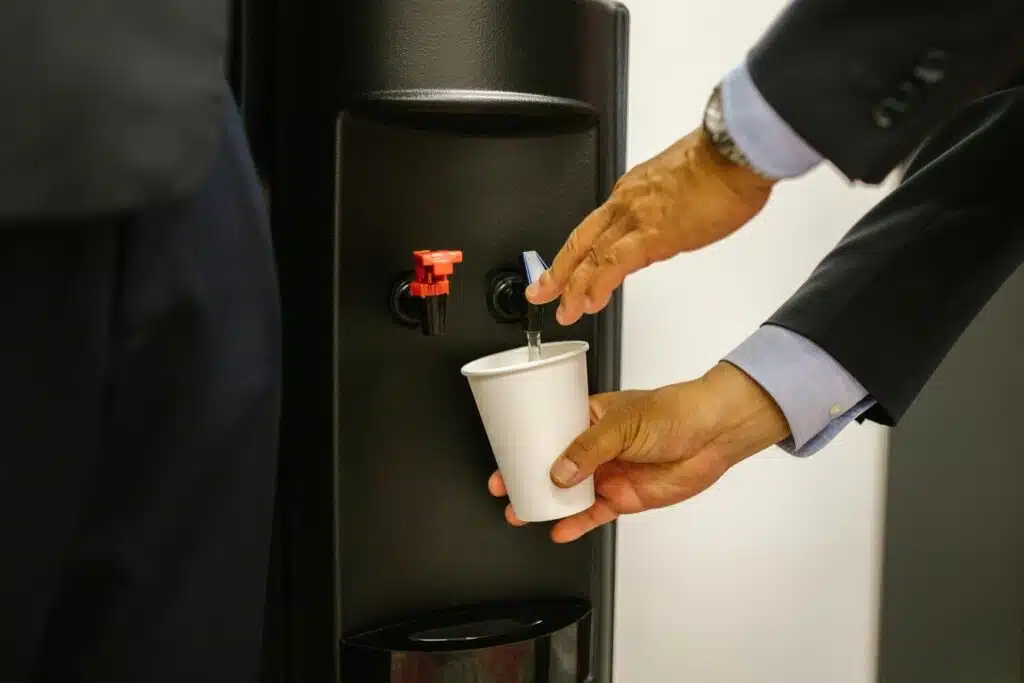
To ensure that you’re consuming safe and clean water, it’s a good idea to use a water dispenser in your home or office.
Water dispensers provide filtered water that is free from contaminants, ensuring that you’re drinking the highest quality water possible.
While it’s possible to drink too much water, water intoxication is rare and can be prevented by paying attention to your body’s signals, monitoring your urine color, and drinking water in moderation.
If you’re concerned about your water intake or experience any symptoms of water intoxication, seek medical attention immediately.
Remember that water is crucial for our bodies to function correctly, but like anything, too much of a good thing can be harmful.
By listening to your body and practicing moderation, you can maintain a healthy water intake and avoid the risks of overhydration.
In addition to being mindful of your water intake, using a water dispenser can also help ensure that you’re drinking safe and clean water.
Water dispensers provide filtered water that is free from contaminants, ensuring that you’re drinking the highest quality water possible.
So, enjoy your water, stay hydrated, and remember to practice moderation to maintain a healthy balance.
Whether you prefer to sip slowly from a water bottle or fill up from a water dispenser, staying hydrated is crucial for our overall health and well-being.