
High-energy and working dogs often arrive at boarding with a different set of needs than dogs that are content with a few walks and long naps. A sudden change in routine, unfamiliar handlers, and limited access to their normal outlets can make settling difficult.
Reducing boarding stress starts before drop-off.
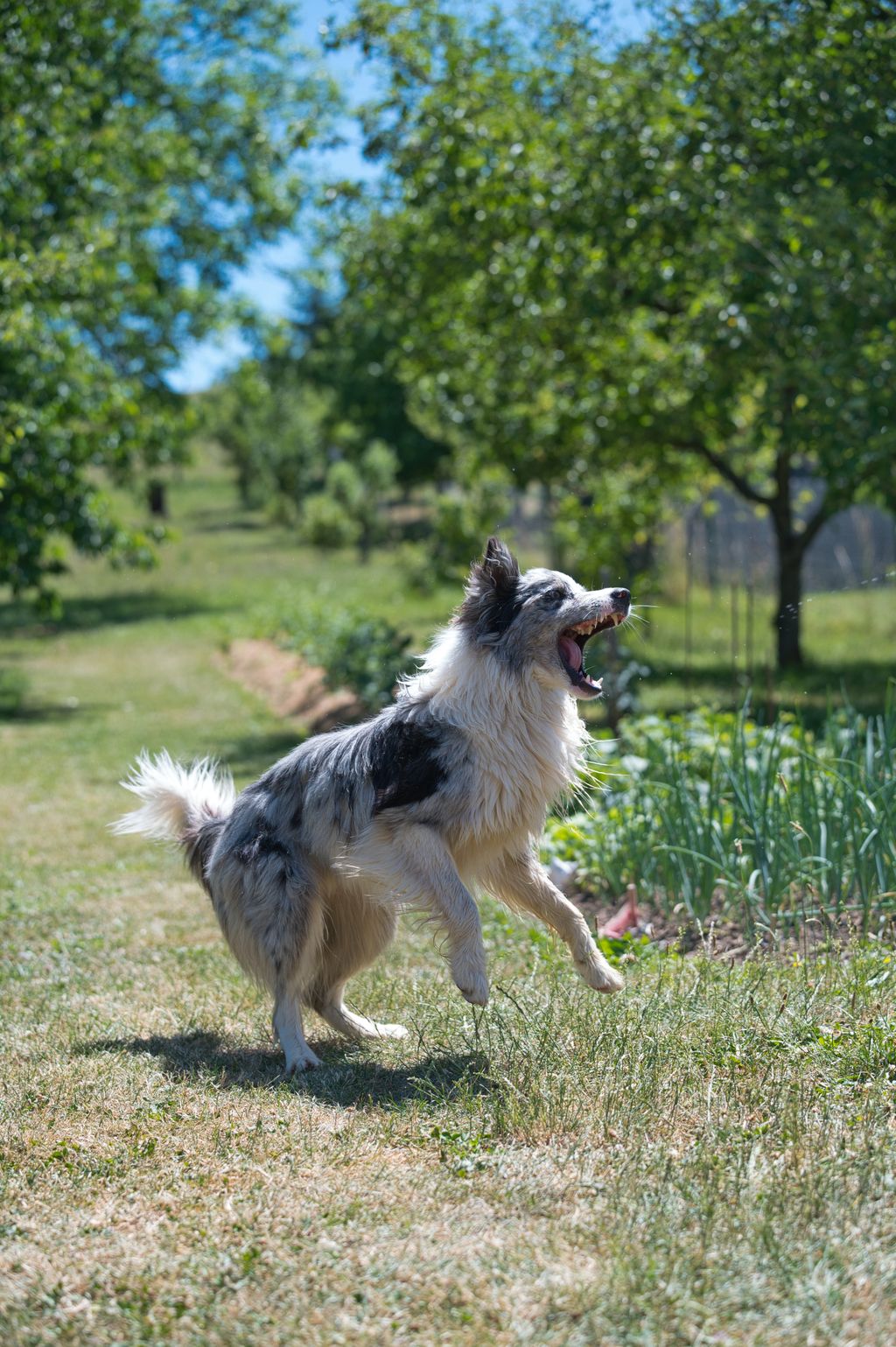
Owners and boarding professionals can make the transition easier by considering the dog’s normal workload, recovery habits, training cues, and individual signs of stress.
Match the boarding routine to the dog, not just the breed
Labels such as “high-energy” and “working dog” are useful starting points, but they don’t tell the whole story. A young Labrador used for field work may need a different boarding routine from a Border Collie that trains in agility or a German Shepherd accustomed to structured obedience sessions.
Before boarding, document what a normal day actually looks like. Note when the dog exercises, eats, rests, trains, and goes outside. Include familiar commands, reinforcement methods, sensitivities, and activities that reliably help the dog settle.
The goal isn’t to reproduce the dog’s home schedule minute by minute. It’s to give boarding staff enough information to avoid an abrupt shift from a structured day to an unfamiliar routine with long periods of inactivity.
Pay particular attention to recovery. A dog that works hard at home may also be accustomed to predictable downtime after training. Adding nonstop activity at boarding isn’t necessarily helpful simply because the dog has plenty of energy.
Choose exercise that lowers arousal instead of constantly raising it
Exercise matters, but more exercise isn’t always the answer to boarding stress. Repeated high-intensity play can leave some dogs increasingly stimulated rather than ready to rest.
A better approach combines physical activity with lower-intensity outlets. Depending on the individual dog, that may include structured walks, sniffing sessions, short obedience exercises, food puzzles, or quiet one-on-one interaction with a handler.
When comparing dog boarding programs, ask how staff adjust daily activity for individual dogs rather than assuming every energetic dog belongs in extended group play. A dog that thrives during controlled training sessions may find hours of unfamiliar social interaction exhausting.
Watch what happens after activity, too. The useful question isn’t only, “Did the dog get enough exercise?” It’s also, “Can the dog settle afterward?” If the dog remains restless, vocal, or constantly alert, adding another intense play session may not address the underlying problem.
Practice the unfamiliar parts before the overnight stay
For some dogs, the hardest part of boarding isn’t physical inactivity. It’s the accumulation of unfamiliar experiences: entering a kennel, hearing other dogs, being handled by new people, eating somewhere different, and sleeping away from home.
Whenever possible, introduce those experiences gradually. A short daycare visit, facility tour, training session, or brief trial stay can give the dog a chance to become familiar with the environment before a longer boarding period.
Crate and kennel comfort is worth practicing at home as well. The dog should already have experience resting calmly in an enclosed space rather than encountering confinement for the first time during boarding.
This preparation should be gradual and positive. If confinement causes intense escape attempts or panic, simply increasing crate time isn’t an appropriate solution. Those reactions warrant professional guidance before an overnight boarding stay.
Learn the difference between energy and stress
An active dog isn’t necessarily a stressed dog, and a stressed dog doesn’t always appear frightened. Stress can look like constant movement, inability to settle, excessive vocalization, panting, avoidance, or repeated attempts to escape.
The American Animal Hospital Association’s guidance on common signs of anxiety and distress also includes behaviors such as pacing, trembling, hiding, changes in eating or drinking, and increased reactivity. Looking at patterns matters more than focusing on a single behavior.
Owners should tell boarding staff what stress normally looks like for their dog. One dog may stop eating when uncomfortable, while another becomes unusually restless. That baseline helps staff distinguish normal excitement in a new environment from behavior that deserves closer attention.
If a dog has a history of severe separation distress, panic during confinement, aggression related to fear, or major behavioral changes away from home, discuss boarding plans with a veterinarian or qualified behavior professional beforehand. In some cases, a different care arrangement may be more appropriate.
Make drop-off and the first day predictable
A calm transition can make the first few hours easier. Send clear feeding and medication instructions, provide requested records in advance, and avoid changing the dog’s food immediately before the stay unless medically necessary.
Keep the handoff straightforward rather than turning departure into a prolonged event. Boarding staff can then move the dog into a predictable sequence such as a potty break, quiet exploration, a short activity, and time to settle.
For working dogs in particular, familiar cues can provide useful structure. Simple behaviors such as sitting before doors, waiting for food, walking politely with a handler, or settling on a mat give the dog recognizable tasks in an unfamiliar place.
Consistency between handlers matters more than asking for complicated training. A small number of familiar expectations can make the environment easier for the dog to understand.
Build rest into the plan
High-energy dogs still need opportunities to disengage from activity. Boarding environments naturally contain unfamiliar smells, sounds, dogs, and people, so even quiet periods may require more mental effort than resting at home.
A suitable boarding plan should therefore include protected downtime as well as exercise and enrichment. Dogs should have a comfortable place where they’re not expected to interact continuously.
The aim isn’t to send a working dog home exhausted. It’s to help the dog move through a temporary change in routine while maintaining healthy outlets, predictable handling, and enough rest to recover between activities.
Good preparation starts with knowing the individual dog. When owners communicate routines clearly and boarding staff can adjust exercise, enrichment, social contact, and downtime accordingly, high-energy dogs have a better chance of settling into their stay without unnecessary stress.