

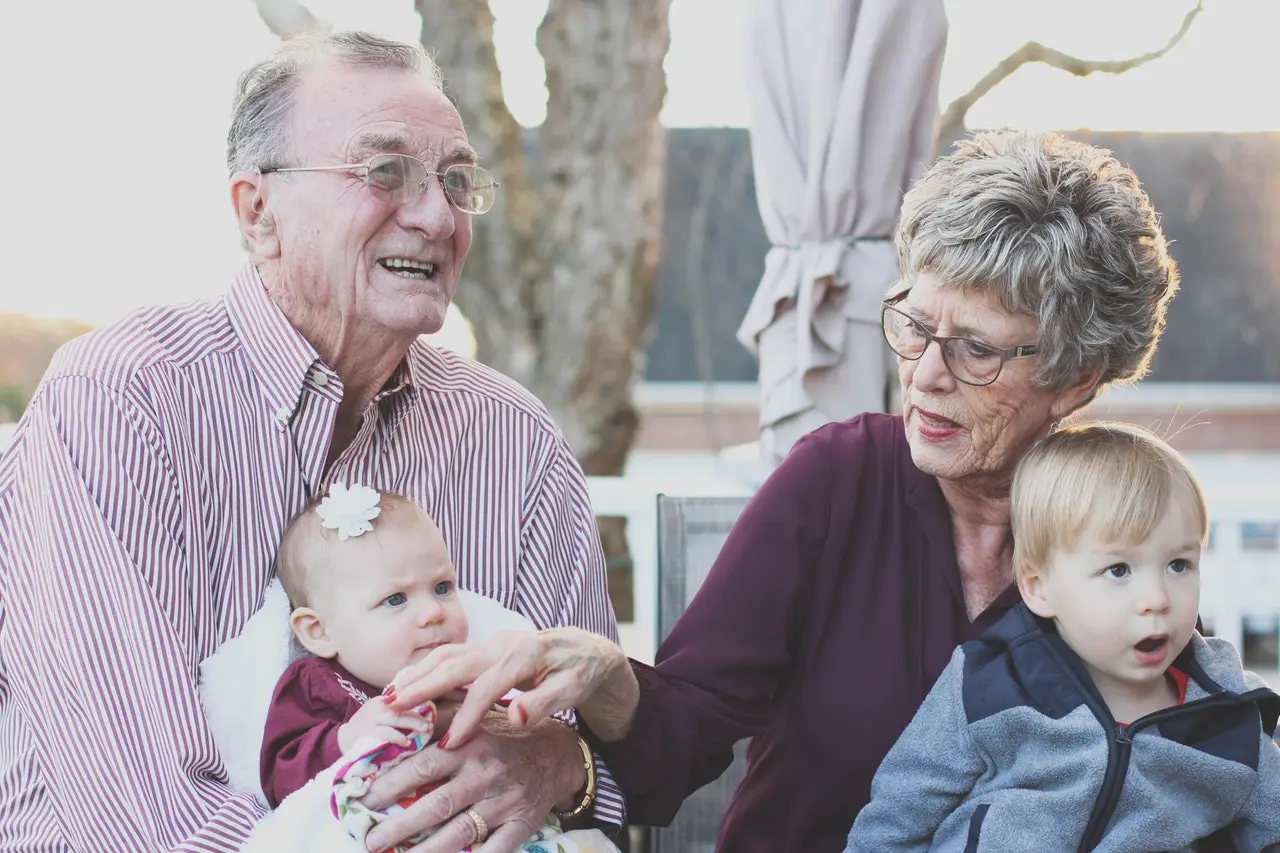
As people age, there are specific hazards that present themselves within a seemingly safe household. If you take care of your parents, or they frequent your home, it’s essential to consider their physical challenges. Installing some of these safety features will give them peace of mind, prevent injury and make things easier for your senior loved ones.
Choosing to implement some of these tips will not only help the elderly, but they will also ensure your home is safe for you as you age.
1. Raised Toilet Seats
Toilets of standard height become harder to use as you age. Often, once a senior sits down on the seat, they are unable to get themselves back up again. An elevated option will help your loved one get on and off the toilet with ease.
2. Grab Bars
Installing grab bars in relevant areas of your home will help prevent falls in high-risk areas. Most commonly, you will see grab bars installed in the bathroom. It’s crucial to help reduce the risk of slipping as the floors can quickly become wet. You’ll want to include them beside the toilet and in the shower. It will also help people to get up and down from the toilet.
3. Lifts
Unless you’re living in a bungalow, you likely have multiple storeys within your home. Stairs are one of the biggest challenges for the elderly, and often they cannot get up and down at all. Installing a lift in your home may seem like a considerable investment, but new domestic lifts have small footprints, blend seamlessly in with your décor and add property value to your home. They can allow your loved ones to move between floors comfortably and without strain.
4. Lighting
As people age, their eyesight inevitably diminishes. It can become harder for the elderly to see obstacles in your home, which could cause trips and falls. Rooms with dim lighting may create ambience in your home but pose a challenge for your elderly visitors. An older person requires about three times more light than an average teenager. Consider installing brighter lighting or adding more lamps in common areas. You can always put lighting on a dimmer switch, so you can lower the light as needed when they aren’t there.
5. Declutter
The less clutter, furniture, nick-knacks and cords, the better. Keep any high traffic areas clear of any unnecessary furnishings, especially those that are below eye level. Accessories like low plants or magazine racks may get in the way of wheelchairs or walkers. If you have pets or small children, make sure to pick up their toys and put them away when not in use.
Making your home safe and free of hazards is not only beneficial for your elderly visitors, but your whole family in general. Knowing the risks and challenges the elderly face can help you to be accommodating to their needs. If a parent or elderly relative needs to move in, you will already be prepared, and your home will be too.