
Key Takeaways
- Learn about the variety of blinds types and how each fits different needs.
- Factor in light control, privacy, durability, and energy efficiency.
- Careful measuring leads to custom-fit, professionally looking results.
- Materials dictate longevity and cleaning requirements.
- Budget planning and smart sourcing help maximize style within your means.


Window blinds do much more than dress up your windows—they are essential for maintaining privacy, controlling light, and contributing to energy efficiency. Whether you are upgrading your interiors or moving into a new home, it’s crucial to choose blinds that offer both function and style. Browsing options at a local blinds store can help you visualize different types and find the best match for your home.
Blinds can transform a space, from classic wood finishes to modern minimalist designs. Today’s window coverings also focus on performance—improved insulation, safety, and automation. Choosing the right blinds involves considering how each option will serve your needs and match your decor. We’ll cover popular types, what to consider for each room, and tips for a perfect fit. Material choice and budget ensure durability and comfort. Installation and maintenance are key to satisfaction—getting these right means enjoying both beauty and function for years.
Types of Window Blinds
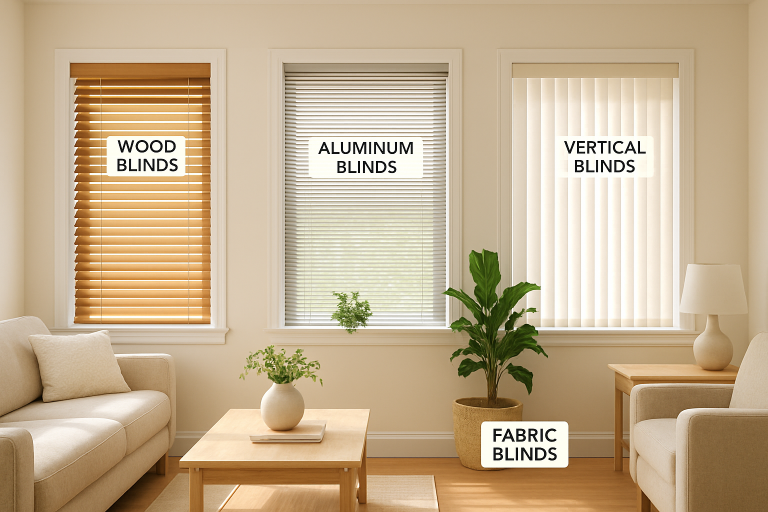
Window blinds are available in a variety of materials and mechanisms, enhancing both functionality and aesthetic appeal. Mini-Blinds, made from aluminum or vinyl, are cost-effective for smaller windows. Venetian Blinds, available in wood or plastic, offer a classic look with tilted slats for light control. Vertical Blinds are ideal for large expanses, while Roman Shades add sophistication to living spaces and bedrooms. Cellular (Honeycomb) Shades improve insulation by trapping air in pleated chambers, lowering heating and cooling costs.
Factors to Consider When Choosing Blinds
To find the perfect blinds for your home, consider factors such as light control, privacy, energy efficiency, room functionality, and automation features. Blackout shades are ideal for bedrooms, while sheer shades brighten shared living spaces. Thermal-insulating blinds, such as cellular shades, are recommended for lower utility bills. High-humidity areas require moisture-resistant options, while less demanding spaces require luxe textures. Automation and child-safety features are also crucial for added convenience.
Measuring Your Windows Accurately
To ensure a perfect fit, measure the window interior at three points and use the narrowest measurement. Measure the height at three points and use the longest measurement as the reference. Note any obstructions, such as handles or vents, that may interfere with the installation. Accurate measurements minimize installation hassles.
Material Selection and Maintenance
Blind materials affect style, functionality, and upkeep. Wood offers a natural feel, but avoid high-humidity rooms. Faux Wood is budget-friendly and classic, making it perfect for kitchens and bathrooms. Aluminum is durable, lightweight, and easy to clean. Fabric offers a soft appearance but requires regular cleaning to prevent dust and stains.
Budget Planning
To save on window blinds, prioritize spending on rooms that matter most. Use affordable blinds in lesser-used areas or guest rooms. Factor in installation costs and extras like motorization or specialty finishes. Shop during seasonal sales or consider partnering with local specialists to save without compromising quality.
Installation Tips
Choose between inside and outside mounting for window installation, considering the limitations of the frame and the desired look. Follow the manufacturer’s instructions, ensuring the necessary hardware is used. Professional installation is recommended for specialty windows or oversized blinds to ensure safety, longevity, optimal insulation, privacy, and a clean finish.
Eco-Friendly and Health-Conscious Choices
To achieve sustainability and healthier indoor air, consider using low-VOC materials, sustainable options such as bamboo, recycled fabrics, and FSC-certified woods, as well as daylighting blinds like solar, light-filtering, and sheer shades. These options not only reduce environmental impact but also create a more comfortable, health-conscious home environment.
Conclusion
Finding the right window blinds means striking a careful balance between function, aesthetics, and cost. Considering factors such as light control, room use, and insulation needs can guide you toward a versatile and enduring choice. Take the time to measure carefully, choose the right materials, and invest in professional guidance for a result that will enhance your home’s beauty and comfort for years to come.