
Key Takeaways
- Dental implants are not a one-size-fits-all solution.
- A complete exam should come before decisions about surgery, technology, or financing.
- Gum health, jawbone condition, medical history, and daily habits can affect the treatment plan.
- Digital planning tools may support precise preparation, but they do not replace professional judgment.
- Patients should understand alternatives, healing expectations, long-term maintenance, and the total cost.
- A second opinion can be useful when a recommendation feels rushed or unclear.
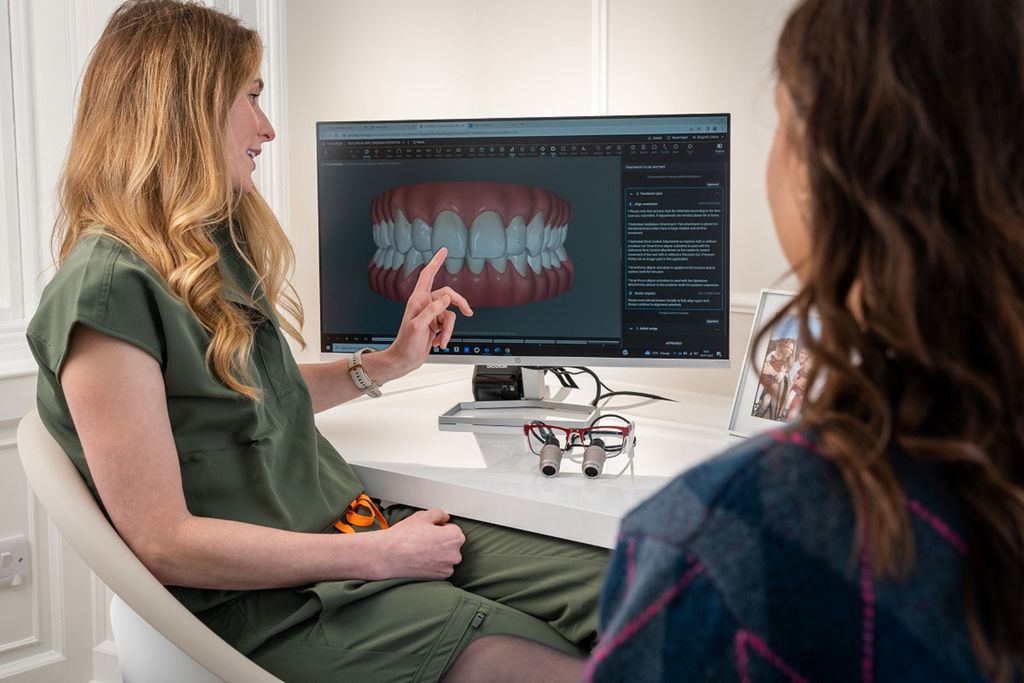
Choosing dental implants involves much more than selecting a replacement tooth. The most appropriate plan should begin with your oral health, overall health, goals for eating and smiling, and ability to care for the restoration over time. A well-planned approach considers what is happening beneath the gums as carefully as what will be visible above them. For patients exploring advanced planning options, robotic dental implant surgery Greenacres, FL, is described by Ferber Dental as digitally guided treatment using X-Guide and Yomi systems to help map implant position, angle, and depth. Ferber Dental serves patients from its Greenacres, Florida office and presents this technology as part of a broader implant process that includes digital scans, surgical planning, and clinician-directed care.
Why The Treatment Plan Matters More Than The Device
Dental implants can support crowns, bridges, or dentures, but the implant itself is only one piece of the treatment. The provider must determine whether an implant is appropriate, where it can be safely placed, what restoration should go on top, and how your bite will function afterward. Technology can add useful detail to that process, but no machine can replace a careful diagnosis, a skilled clinician, or dependable follow-up care. The FDA explains that dental implants are medical devices surgically placed in the jaw to support artificial teeth. That is why it is important to discuss both potential benefits and possible complications before committing to treatment.
Start With A Full Dental And Health Review
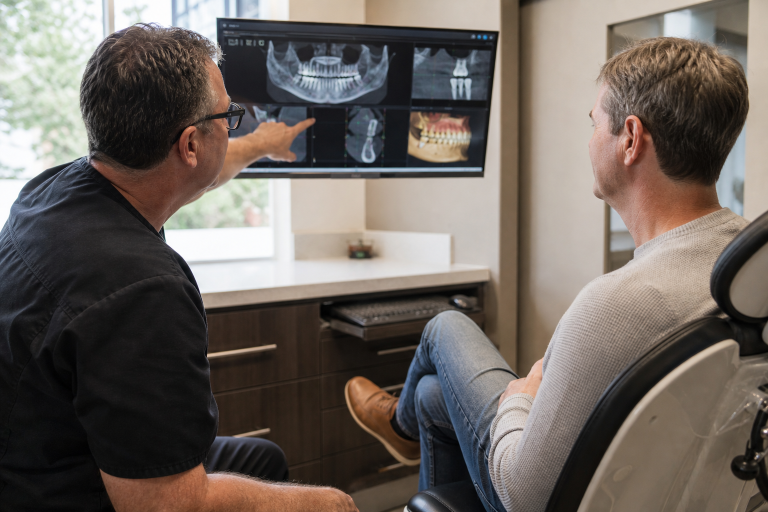
A thorough consultation should feel like an investigation, not a sales presentation. Your dental team may review missing teeth, existing restorations, gum health, jawbone volume, bite alignment, medication use, medical conditions, smoking or nicotine habits, and your past dental experiences.
Depending on the case, the examination may include:
- A clinical evaluation of teeth, gums, and bite function.
- Digital photographs or intraoral scans.
- Dental X-rays, panoramic images, or 3D imaging when clinically appropriate.
- A discussion of pain concerns, appearance goals, budget, and preferred treatment timeline.
- Review of conditions that could affect healing or surgical safety.
Check Whether Implants Are A Good Fit
Many people can be candidates for implants, but candidacy is determined on an individual basis. Healthy gums or gums that can be treated, sufficient bone, controlled medical conditions, and a practical home-care routine can all support a favorable plan. When bone is limited, grafting or another preparation step may be recommended before implant placement. Age alone is not usually the deciding factor. Instead, the provider should consider how well chronic conditions are managed and whether they could affect healing. For example, diabetes, immune-related conditions, certain medications, and tobacco use can change the risk profile. The American Dental Association’s public guidance notes that chronic illnesses and tobacco use may interfere with healing after surgery, so complete medical information is essential.
Compare The Main Implant Treatment Options
Single-Tooth Implant
A single implant with a crown may replace a missing tooth when neighboring teeth are healthy and do not need crowns.
Implant-Supported Bridge
For several missing teeth in a row, an implant-supported bridge may restore the space without placing one implant for each missing tooth.
Implant-Retained Denture
This option uses implants to improve the stability of a removable denture. It may appeal to patients who want greater confidence in eating and speaking but still prefer a removable appliance.
Fixed Full-Arch Restoration
When many teeth are missing, failing, or no longer restorable, a fixed full-arch solution may be considered. These cases require detailed planning because gum condition, bone structure, bite forces, temporary teeth, and long-term cleaning all matter.
An implant is not automatically better than a conventional bridge or denture. The right choice depends on the condition of existing teeth, anatomy, comfort preferences, cost, maintenance needs, and long-term goals.
Where Digital Planning Can Help
Digital scans, 3D imaging, and planning software can help a dental team study available bone and the location of nearby structures before surgery. In guided or navigation-assisted treatment, the clinician may use that information to plan the proposed implant position and review depth, spacing, and angulation. These tools can also help patients understand the proposed treatment. Still, they do not guarantee a perfect result. Healing, oral hygiene, bite forces, gum health, and the body’s response to surgery remain important parts of long-term success.
How To Evaluate A Dental Implant Provider
When comparing providers, focus on the entire process rather than on a single advertised technology. Ask who will perform the examination, surgery, final restoration, and maintenance visits. It is also reasonable to ask how often the team performs the recommended treatment and what happens if healing does not go as planned.
- Ask whether gum treatment or bone grafting is needed first.
- Ask what implant system will be used and keep that information in your records.
- Ask how temporary teeth will be handled during healing.
- Ask for a written explanation of the treatment stages and aftercare instructions.
- Ask whether the estimate includes imaging, surgery, abutments, final teeth, and follow-up visits.
Questions To Ask Before Scheduling Surgery
- What problem is this treatment designed to solve?
- What alternatives are available for my situation?
- Do my gums, bone, or remaining teeth need treatment first?
- What imaging is recommended, and why?
- Will treatment happen in one visit or several stages?
- How long might healing and completion take?
- What discomfort, diet changes, and activity limits should I expect?
- What symptoms require an urgent call to the office?
- What is included, and what could create additional costs?
Plan For Healing And Long-Term Maintenance
Implant care continues long after surgery. Bone integration can take months, and the surrounding gums still require daily cleaning and regular professional monitoring. Follow food, brushing, medication, and appointment instructions closely. Contact your provider promptly if you experience persistent pain, swelling, bleeding, or a loose restoration.
Know The Warning Signs Of A Rushed Consultation
Pause before moving forward if implants are recommended without a complete examination, healthy teeth are dismissed without a clear explanation, or alternatives are not discussed. Be cautious when a plan is presented as guaranteed, when financing appears before diagnosis, or when you are discouraged from seeking another opinion. A good treatment plan should leave you informed, not pressured.
How To Compare Plans Fairly
Look beyond the lowest price by comparing each proposal in the same categories:
- Diagnosis: Were the findings explained clearly and completely?
- Experience: Does the team routinely provide the proposed treatment?
- Technology: Is each tool being used for a specific clinical reason?
- Timeline: Are healing stages, temporary teeth, and final restorations explained?
- Cost: Does the estimate clearly state what is and is not included?
- Aftercare: Who will monitor the implant and restoration over time?
Conclusion
The best implant decision is built on careful diagnosis, realistic expectations, honest communication, and a long-term maintenance plan. Digital tools and advanced technology may improve planning, imaging, and treatment coordination, but safety, clinical judgment, and patient-centered care should always remain the priority. Before moving forward, ask direct questions about the procedure, materials, timeline, costs, recovery, potential risks, and future maintenance. Compare complete treatment plans rather than focusing only on the starting price or advertised technology. A trustworthy dental team should clearly explain both the benefits and limitations of each option and give you time to make an informed choice. When you are uncertain or considering extensive treatment, seeking a second opinion can provide a valuable perspective and greater confidence in the decision. Ultimately, the right implant plan fits your oral health, goals, daily needs, and long-term expectations.