
Every summer, I would set up snacks on the patio table, call the kids outside, and watch our plan fall apart in about ten minutes.
It was either too hot to sit still or too buggy to enjoy a single bite. After a few too many nights of swatting mosquitoes instead of relaxing, I finally figured out the fix, and it wasn’t bug spray or citronella candles.
It was something much simpler.

Why Our Patio Sat Empty All Summer
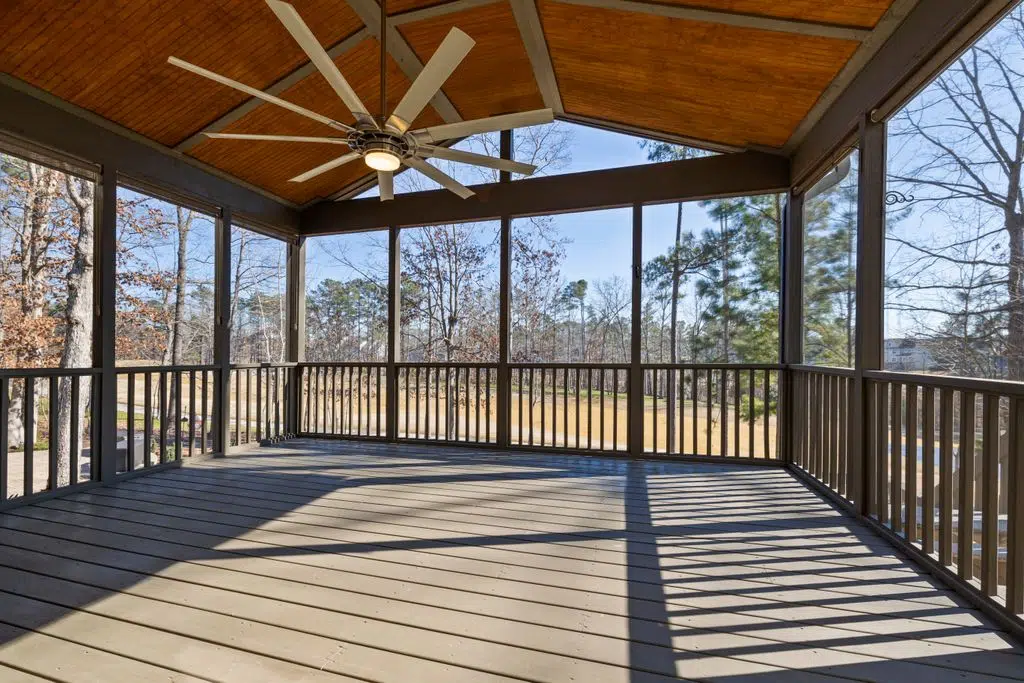
Our covered patio should have been the best part of the house. It had shade, comfy chairs, and a great view of the yard. But by July, it turned into a spot nobody wanted to use. The air just sat there, heavy and still.
Add in a few mosquitoes, and suddenly the kids were begging to go back inside where it was cool and bug-free.
I tried a few small fixes first. A tabletop fan here, a citronella candle there. Nothing made a real difference. The heat stuck around, and so did the bugs. That’s when my husband suggested something we hadn’t considered before: installing an actual ceiling fan on the patio, the same way we’d done in our living room years ago.
I was skeptical at first, mostly because I didn’t want another expensive project. But once we started comparing outdoor-rated options, it became clear that a proper ceiling fan could solve both comfort problems at once without changing the entire patio.
The Fix We Didn’t See Coming
We didn’t realize how much of a difference constant airflow could make until we tried it. A steady breeze does two things at once. It cools the space down, and it keeps the air moving so it doesn’t feel sticky and stagnant.
We spent an evening browsing outdoor-rated ceiling fans from Hunter Fan, since we wanted something built to handle humidity without rusting or wearing out after one season.
If you’re shopping for one yourself, pay attention to the rating. Fans made for a covered patio like ours need to be damp-rated, since they’re protected from direct rain but still deal with humidity. If your space is more open, like a pergola or gazebo, you’ll want a wet-rated fan instead, since it can handle water head-on.
Skipping this step is one of the most common mistakes people make, and it can shorten a fan’s life fast.
Blade size matters too. For an average-sized patio, a blade span between 52 and 72 inches usually does the job. If your space is bigger, don’t be afraid to use two fans instead of one oversized fan. It spreads the airflow more evenly across the whole area.
Getting Our Family Back Outside
Once the fan was up and running, everything changed faster than I expected. Dinner outside stopped feeling like a chore. The kids started playing longer without running back inside every few minutes.
Even our old outdoor playset got dusted off and used again, since nobody minded staying out in the yard a little longer now that the bugs weren’t circling.
That’s the part I didn’t expect going in. I thought I was just solving a heat problem. Instead, I ended up with a backyard the whole family actually wanted to spend time in. Weekend breakfasts moved outside. So did homework, when the weather allowed it. It’s a small change, but it reshaped how we use our home during the warmer months.
We even started inviting friends over again, something we’d stopped doing during the hottest months. The patio finally felt like an extension of our home instead of a space we simply looked at through the windows.
A Nice Bonus Nobody Warned Me About
Here’s the part that surprised me most. That same breeze that keeps everyone cool also makes it harder for mosquitoes to stick around.
Mosquitoes are weak fliers, so even a steady stream of moving air throws them off course. In fact, running a fan is one of the simple tricks that home experts have pointed to for keeping mosquitoes away from a patio without spraying chemicals everywhere.
It’s not a complete bug solution on its own, but paired with clearing out standing water in birdbaths and flower pots, it makes a noticeable difference.
A Few Tips If You’re Considering This Upgrade
Before you buy, walk your patio at different times of day. Notice where the sun sits and where the air feels the stillest. That’s usually the best spot for your fan.
Also, think about noise. If your family likes quiet mornings outside, look for a model built to run smoothly at low speeds. And if your patio doubles as a dining space, a fan with a built-in light can save you from adding a separate fixture later.
Small upgrades like this rarely make headlines, but they can genuinely change how your family uses your home. Ours went from an unused patio to the spot where most of our summer memories now happen.
If your outdoor space has been sitting empty because of heat or bugs, this might be the simple fix you’ve been missing too.