
One in eight women will be diagnosed with breast cancer in their lifetime.
While there is no surefire way to prevent the disease, there are steps you can take to reduce your risk. In this blog post, we will discuss some of the best ways to reduce your risk of breast cancer.
Keep reading for more information!


Limit alcohol intake
One of the best ways to reduce your risk of breast cancer is to limit your alcohol intake. Alcohol consumption has been linked to an increased risk of developing breast cancer.
If you do drink alcohol, it is important to keep your consumption in moderation.
The American Cancer Society recommends limiting alcoholic beverages to no more than one per day for women.
If you are at high risk for breast cancer, you may want to consider avoiding alcohol altogether. The goal is to keep your alcohol consumption as low as possible to reduce your risk of breast cancer.
Maintain a healthy weight
Maintaining a healthy weight is another great way to reduce your risk of breast cancer. Being overweight or obese has been linked to an increased risk of the disease.
If you are looking to lose weight, talk to your doctor about a healthy and sustainable plan for doing so.
For instance, regular exercise and a healthy diet are two key components of any weight loss plan.
When combined, these lifestyle changes can have a significant impact on your overall health and well-being.
Namely, the American Cancer Society recommends that adults get at least 150 minutes of moderate-intensity aerobic activity (like brisk walking) every week.
Don’t smoke
Smoking is one of the worst things you can do for your health. Not only does it increase your risk of developing cancer, but it also increases your risk of dying from the disease.
If you currently smoke, quitting is one of the best things you can do for your health.
There are many resources available to help you quit, so talk to your doctor about the best plan for you.
A good way to stop smoking is to set a quit date and make a plan to do so.
For instance, you may want to try nicotine replacement therapy or talk to your doctor about prescription medications that can help you quit.
Additionally, there are many free resources available online and through the American Cancer Society that can help you quit smoking for good.
Know your family history


Another important way to reduce your risk of breast cancer is to know your family history. If you have close relatives who have been diagnosed with the disease, you may be at an increased risk.
It is important to talk to your doctor about your family history and what it means for your personal risk.
They may recommend additional screenings or preventive measures based on your family history.
Regular breast cancer screening is an important part of any woman’s health care and it can show you breast cancer stages if you have it.
Talk to your doctor about when to start getting screened and how often to get checked. They may recommend yearly mammograms starting at age 40 or earlier if you are at high risk.
Breast-feed, if possible
Finally, breastfeeding has been shown to reduce the risk of developing breast cancer. If you are able to breastfeed, do so for as long as possible.
The American Cancer Society recommends breastfeeding for at least 12 months. Namely, the longer you breastfeed, the greater the protective effect.
Also, aim to breastfeed exclusively for the first six months. This means that you should not give your baby any other food or drink besides breast milk during this time.
Limit the amount of processed meat you consume
Processed meats are those that have been preserved by smoking, curing, or salting. They include bacon, ham, hot dogs, and sausage.
These meats are often high in fat and salt, which can increase your risk of developing cancer. If you do eat processed meat, it is important to limit your consumption.
The American Cancer Society recommends eating no more than 18 ounces (about 500 grams) of processed meat per week.
Also, when picking processed meats, choose those that are lower in fat and sodium.
Additionally, cook them using healthier methods, such as grilling or baking, rather than frying. This can help to further reduce your risk.
Reconsider using hormone therapy

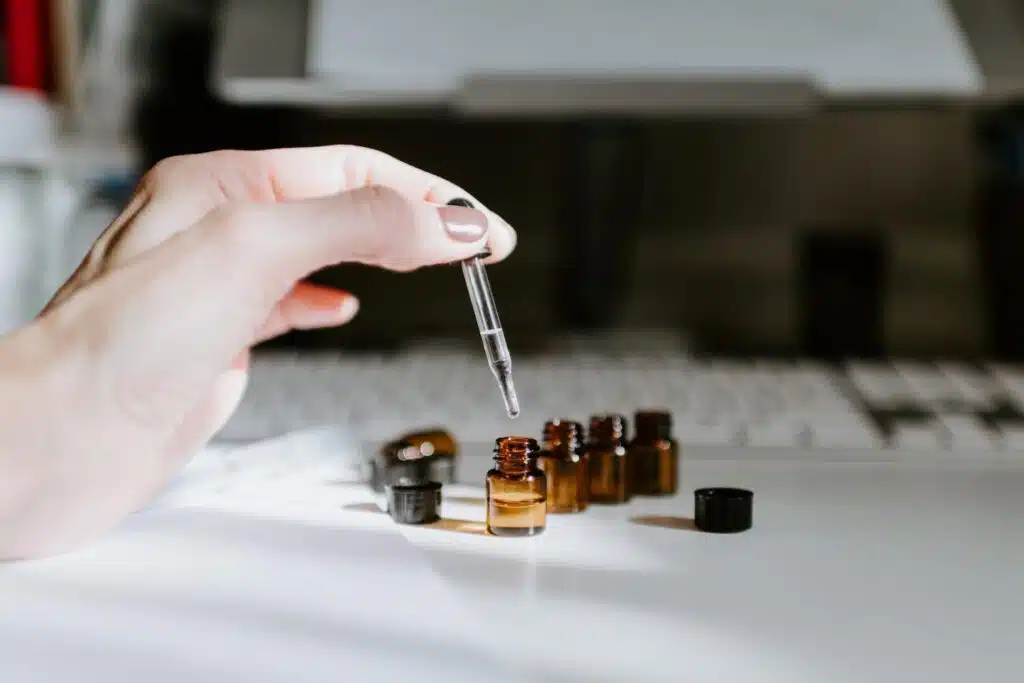
Hormone therapy is a treatment that uses synthetic hormones to replace those that are naturally produced in the body.
It is often used to treat menopausal symptoms, such as hot flashes and night sweats. However, hormone therapy has been linked to an increased risk of breast cancer.
If you are considering hormone therapy, talk to your doctor about the risks and benefits. They can help you make an informed decision about whether or not the treatment is right for you.
Making even small changes in your lifestyle can have a big impact on your overall health.
Not only will a hormone-free, nutritious diet and regular exercise help to keep your weight down, but it will also reduce your risk of developing cancer.
So take steps today to improve your health and lower your risk of breast cancer.
Oral contraceptives
Oral contraceptives, also known as birth control pills, are a type of medication that is used to prevent pregnancy.
They work by suppressing ovulation and thickening the mucus in the cervix, which makes it difficult for sperm to reach the egg.
Oral contraceptives have been shown to reduce the risk of developing breast cancer.
If you are of childbearing age and are not planning on becoming pregnant, talk to your doctor about whether or not oral contraceptives are right for you.
These are just a few of the best ways to reduce your risk of breast cancer.
Remember, there is no surefire way to prevent the disease.
However, by making healthy lifestyle choices and staying informed about your risks, you can give yourself the best chance possible. For more information about breast cancer, be sure to talk to your doctor.
They can answer any questions you may have and help you create a plan to reduce your risk.