
Is gambling an addiction? According to the DSM 5, the official assessment manual for the diagnosis of psychological disorders, that’s a resounding yes.
The manual outlines Gambling Disorder as a behavioral disorder, wherein 4 out of 9 criteria are met over a 12 month period.
These criteria include:
- Gambling when feeling distressed
- Increasing amounts being spent to gain the same excitement
- Preoccupation with gambling
- Making multiple attempts to cut back on gambling
While it’s not known how some people fall into a gambling addiction, while others can remain happily casual gamers, this can be a strong and debilitating addiction for some.
There is a difference between responsible gambling at online casinos and a full-blown problem that’s holding people back from living their lives properly.
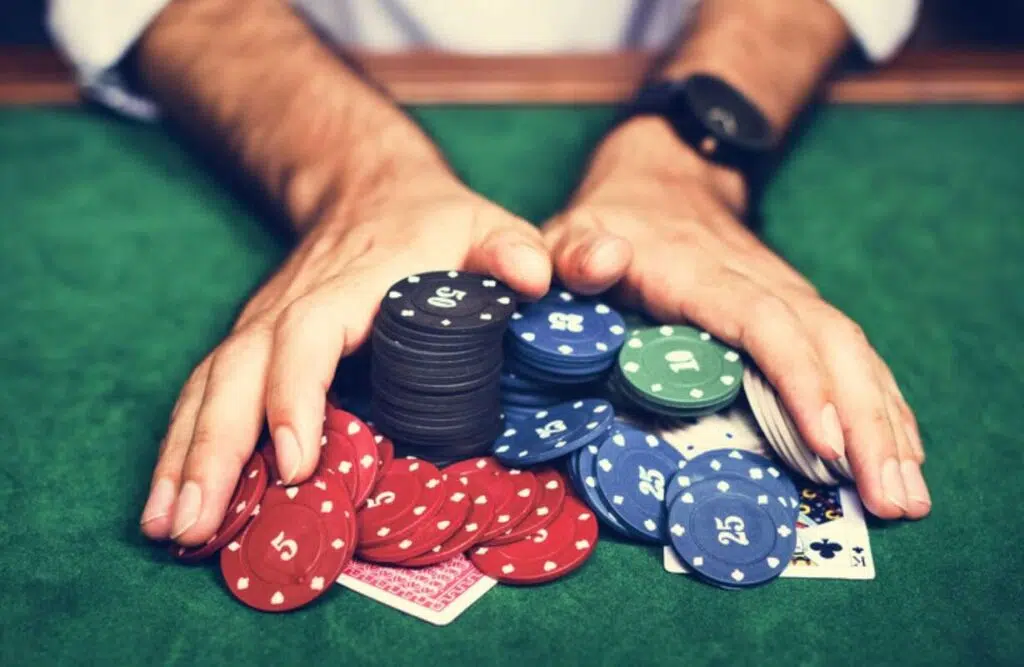
What role does dopamine play in the withdrawals cycle for those with a gambling disorder?
Today we take a look at the science behind it all and what it means for people who are thinking about quitting.
Coming off gambling is like coming off other substances
For those with a gambling disorder, coming off this addiction can result in withdrawal symptoms that are comparable to drug and alcohol withdrawals.
While it’s not a physical substance that can be ingested, behavioral addictions can produce similar effects during and after use.
In the 1992 paper, Self-Reported Withdrawal Symptoms and Pathological Gambling by Rosenthal & Lesieur, participants in the study reported withdrawal symptoms including insomnia, headaches, physical weakness, heart racing, shaking, muscle aches, difficulty breathing, sweating, and chills, and fever.
The fact that withdrawing from gambling causes these symptoms is not insignificant: it makes the addiction that much harder to break.
Going through these symptoms can feel overwhelming to the individual without the right coping strategies in place.
Dopamine and the brain
Dopamine is a neurotransmitter that is also known as the pleasure chemical.
It helps us to not only feel pleasure but to think and plan ahead, as well as focus and find things interesting.
It’s critical to learning and motivation and part of why we seek out varied and unique experiences.
It also is involved with a wide range of physical and mental functions such as sleep, pain processing, mood, and heart rate.
Dopamine plays a large part in rewards-seeking or hedonistic behaviors, such as drinking, sex, and gambling.
We seek out these types of activities to get the rush that dopamine release gives us. So what part does it play in gambling disorder?
Dopamine and gambling
Dopamine release during gambling activities has been examined under such studies as Mesolimbic dopamine release is linked to symptom severity in pathological gambling (Joutsa, et al., 2012).
Surprisingly, addicted gamblers and control subjects both experienced similar dopamine release – however, the most highly addicted participants in this study released the most dopamine during the high reward gambling activity.
This correlates with findings with people with Parkinson’s (a condition that reduces dopamine overall) who also have problematic gambling.
While it’s been theorized that highly addicted gamblers have dulled their dopamine production over time – also known as the reward deficiency syndrome, it appears from studies like this that the opposite is true.
There are, however, studies around that tend to suggest the opposite.
If more dopamine is released in highly addicted gamblers, this supports their continued gravitation towards these behaviors.
They feel even better than the average person while gambling with high reward – it makes sense.
What it doesn’t mean is that the dopamine response has been dulled over time from repeating these behaviors over and over – which is good news for recovery.
In gambling withdrawal, on the hypothesis that there is zero dulled dopamine response from continued gambling and addiction, it means addicts’ dopamine response should be good to go.
The only thing they will miss is that extra dopamine rush for high reward gambling.
Fortunately, the body can produce dopamine from all sorts of behaviors.
So, withdrawal isn’t dopamine-related?
Current evidence suggests that this isn’t the case – although more research is needed in the field.
For instance, could we compare the dopamine production with the people in the above study while they are in withdrawals completing a similar reward task, like drinking their favorite alcohol, with a control group – to see how responses differ?
Gambling addiction withdrawals are no joke. However, the role of dopamine in this process may be overestimated.
If you are experiencing a gambling addiction, reach out to your local psychologist to see what can be done to break the cycle.
It’s tough, but with the right coping strategies in place, addiction can be overcome.
Take a look at our Long-term Mental Wellness Tips for a holistic approach that can be useful now or can be put into place once you’re back on the right track.