
The Kennedy Space Center is a NASA facility located on the east coast of Florida, USA.
This iconic center has been a hub of space exploration for over six decades and has been at the forefront of space technology since its inception.
The center is home to a wide range of attractions, including the Kennedy Space Center Launch Schedule, which is an essential part of space exploration.
In this article, we will take a closer look at the Kennedy Space Center and the Kennedy Space Center Launch Schedule, exploring their history and significance in the world of space exploration.
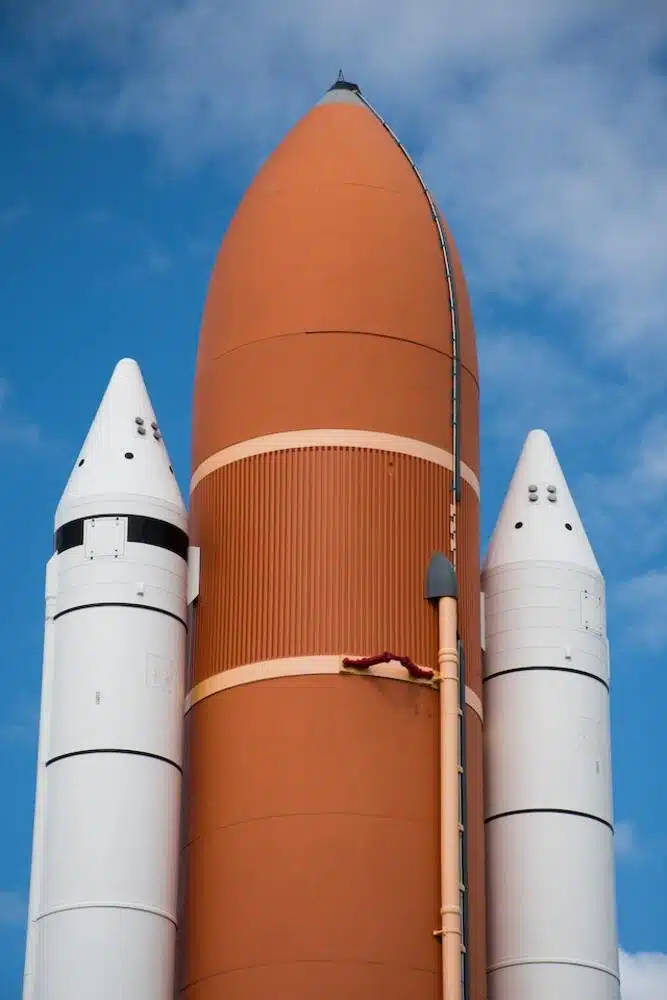
History of the Kennedy Space Center
The Kennedy Space Center was established in 1958 as the Launch Operations Directorate, and it was renamed the Launch Operations Center in 1962.
In 1963, the center was renamed the John F. Kennedy Space Center, in honor of the late president who had committed the United States to the goal of landing a man on the moon.
The Kennedy Space Center has been a hub of space exploration since the earliest days of the American space program, and it has played a vital role in some of the most significant achievements in space history.
The Kennedy Space Center Launch Schedule
The Kennedy Space Center Launch Schedule is an essential part of the Kennedy Space Center’s mission.
This schedule outlines the dates and times of all upcoming launches, including crewed missions, cargo missions, and scientific experiments.
The launch schedule is updated regularly and is available online for public viewing.
One of the most exciting parts of the Kennedy Space Center Launch Schedule is the crewed missions.
These missions involve sending astronauts into space to conduct scientific experiments, repair equipment, and maintain the International Space Station (ISS).
The Kennedy Space Center has been home to some of the most memorable crewed missions in space history, including the Apollo missions to the moon, the Space Shuttle program, and the ongoing missions to the ISS.
The Kennedy Space Center Launch Schedule also includes cargo missions, which involve sending supplies, equipment, and experiments to the ISS.
These missions are essential to the ongoing operation of the ISS, and they are often carried out by commercial companies such as SpaceX and Northrop Grumman.
In addition to crewed and cargo missions, the Kennedy Space Center Launch Schedule includes a wide range of scientific experiments.
These experiments are designed to study everything from the effects of microgravity on the human body to the behavior of materials in space.
The Kennedy Space Center is home to a wide range of research facilities, including the Space Life Sciences Laboratory, which is dedicated to studying the effects of spaceflight on the human body.
Visiting the Kennedy Space Center
The Kennedy Space Center is open to the public, and it offers a wide range of attractions for visitors of all ages.
Some of the most popular attractions include the Rocket Garden, which features a collection of historic rockets and space vehicles, and the Atlantis exhibit, which showcases the history of the Space Shuttle program.
Visitors can also take a tour of the Kennedy Space Center Launch Schedule, which provides an up-close look at the launch pads, vehicle assembly buildings, and other key facilities.
These tours are a fantastic way to experience the excitement of space exploration and to learn more about the history and significance of the Kennedy Space Center.
Conclusion
The Kennedy Space Center is a vital part of the American space program, and it has played a critical role in some of the most significant achievements in space history.
The Kennedy Space Center Launch Schedule is an essential part of this facility, outlining the dates and times of all upcoming launches, crewed missions, cargo missions, and scientific experiments.
Whether you are a space enthusiast or simply curious about the wonders of the universe, the Kennedy Space Center is a must-visit destination.