
Child sexual abuse is a serious concern in today’s world, and as parents, you have a responsibility to educate your children and prepare yourself to prevent such crimes.
While not everything is under your control, there are steps that you can take to monitor your children for signs of sexual abuse.
This is especially important in Long Island, home to over 8 million people. Long Island has a wide variety of cultures. The famous neighborhoods of Bronx, Queens, Suffolk, and Nassau are all situated on the island.
Long Island was in the news recently for another thing: The Long Island school sexual abuse lawsuit settlements. There are reports that 39 Long Island School Districts settled 117 lawsuits for $167 million.
All the lawsuits were brought forward by former students who suffered some form of abuse when they were children.

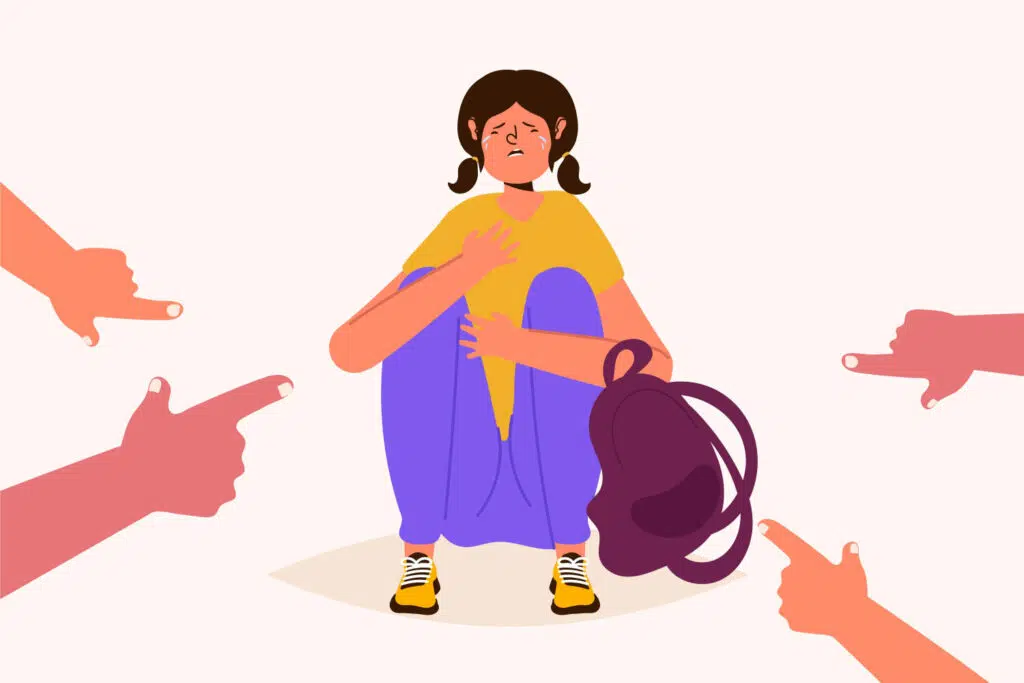
This guide will talk about a few pointers that parents can follow to monitor their children for sexual abuse.
Things to Know About Child Sexual Abuse
The first thing that parents should know is that child sexual abuse is not unheard of, and many children are victims of this horrible crime every year.
In most cases, the perpetrators are someone close to the family, known to the children, and trusted by the parents.
Many instances of child abuse go unreported. With the rise of online tech, children are at high risk for online threats.
Tips to Monitor Your Children for Sexual Abuse
Look for Behavioral Changes
Children who have been subjected to sexual abuse will experience changes in behavior, and this can depend on their age, personality, and the type of abuse they’ve experienced. Some common signs to watch out for include:
- Behaving younger than their age.
- Signs of stress like bedwetting.
- Sudden episodes of anger or extreme fear.
While there can be many reasons for behavioral changes in children, sexual abuse can manifest in the above ways, so it’s important to keep an eye out for them.
Look for Physical Signs of Abuse
If your child has experienced sexual abuse, there may also be physical signs, including:
- Unexplained bruises, like red marks or swelling, especially around the genitals
- Unhealthy sexual behavior
- Symptoms of sexually transmitted infections
- Pain when going to the toilet
Monitor Their Online Presence
It is important not to let your children have unrestrained access to the internet, as many perpetrators use online channels to groom and exploit children. Being aware of the dangers of using devices and platforms is important to prevent this from happening.
To begin with, make sure your children only have access to sites and devices that are appropriate for their age.
Most devices come with parental control settings, so make the most of them by restricting dangerous websites or excessive usage of the internet.
Make time to play with them; maybe schedule a weekly online gaming session to encourage conversation around these platforms. This shows your kids it’s safe for them to talk to you about anything that’s bothering them.
Educate Your Children
Have age-appropriate discussions with children about boundaries and bodily autonomy. Teach them what’s safe and what’s not, and how to speak up if they feel uncomfortable.
If you’re unsure about how to do so, there are plenty of online tools available for parents to have these conversations with their children—make use of them.
When your kids are equipped to know right from wrong and how to defend themselves, there’s a higher chance of them speaking up if something goes wrong. It empowers them to protect themselves when you’re not around.
Conclusion
To summarize, child abuse is a scary part of reality parents have to contend with and a traumatizing thing for children to experience.
However, there are steps that can be taken to combat this atrocious crime, including educating yourself and your children, monitoring their online presence, and paying attention to their behavior.
Despite this, however, if your children ever face abuse, it is important to get legal support.
It can be challenging to deal with a child abuse lawsuit on your own, and a lawyer can guide you on things like collecting evidence and other procedures.