
In the ever-evolving world of technology, cell phone companies are masters at convincing consumers that they need the latest devices. But what exactly are they doing behind the scenes to push you toward an upgrade? Here are seven strategies these companies use to make you think it’s time for a new phone.
1. Making Older Models Sluggish

Have you ever noticed your phone getting slower right after a new model is released? That’s not a coincidence. Many cell phone companies engage in what’s known as planned obsolescence. This is when software updates designed for newer models are pushed to older devices, causing them to slow down or experience glitches. Over time, these performance issues can become frustrating enough that buying a new phone seems like the only solution. By pushing updates that are too demanding for older hardware, companies subtly nudge you toward an upgrade without outright saying it.
2. Aggressive Trade-In Offers That Seem Too Good to Resist

Cell Phone companies are increasingly pushing trade-in programs that offer discounts on new models in exchange for your old device. These deals often seem irresistible, after all, why not get a hefty discount? However, these offers are carefully calculated to encourage consumer turnover. What they don’t highlight is that the trade-in value of your phone may not be as high as it could be if sold independently. In reality, these trade-ins are just another way to keep you locked into their ecosystem, constantly upgrading with every new release. The convenience comes at a price, and before long, you’ve committed to another two-year contract.
3. Cutting Software Support for Older Models

One of the sneakiest tactics cell phone companies use is gradually phasing out software updates for older models. While they may initially support a phone for a few years, eventually they stop releasing updates for those devices, leaving them vulnerable to security risks and compatibility issues with new apps. By halting these updates, they effectively force users to consider upgrading to a newer, more secure model. This strategy ensures that even if your old phone is physically fine, its software becomes outdated and less functional over time.
4. Highlighting Minor Features as Major Selling Points

Every new phone launch is accompanied by flashy marketing campaigns that spotlight seemingly groundbreaking features. However, many of these upgrades, like a slightly better camera or a marginally faster processor, are often incremental. Companies cleverly market these small improvements as essential, making consumers feel like they’re missing out if they don’t upgrade. For example, a new color option or a slightly slimmer design can be hyped up to the point where it feels like a must-have, even though it has little impact on everyday use. By playing on your fear of missing out, they turn minor tweaks into major buying incentives.
5. Creating the Illusion of Limited Availability

Scarcity is a powerful psychological trigger, and cell phone companies know it well. During new phone launches, they often create the illusion that certain models are in limited supply. They might release only a small number of devices initially, leading to long wait times and a sense of urgency. This “get it before it’s gone” approach makes consumers feel pressured to upgrade as soon as possible, fearing they won’t have another chance. In reality, the supply is often there; it’s just an artificial way to drive up demand and hype.
6. Pushing “Exclusive” Carrier Deals with Hidden Costs

When cell phone companies team up with carriers, they often offer “exclusive” deals that seem like a steal. You might see offers for reduced prices or special financing options if you purchase a phone through a specific carrier. While these deals appear to save you money upfront, they often come with hidden costs, such as higher monthly service fees or lengthy contracts. Additionally, some of these deals might lock you into a specific carrier, making it difficult to switch in the future without penalties. By emphasizing short-term savings, they distract from the long-term financial commitment you’re making.
7. Emphasizing the Fear of Missing Out (FOMO) on New Tech
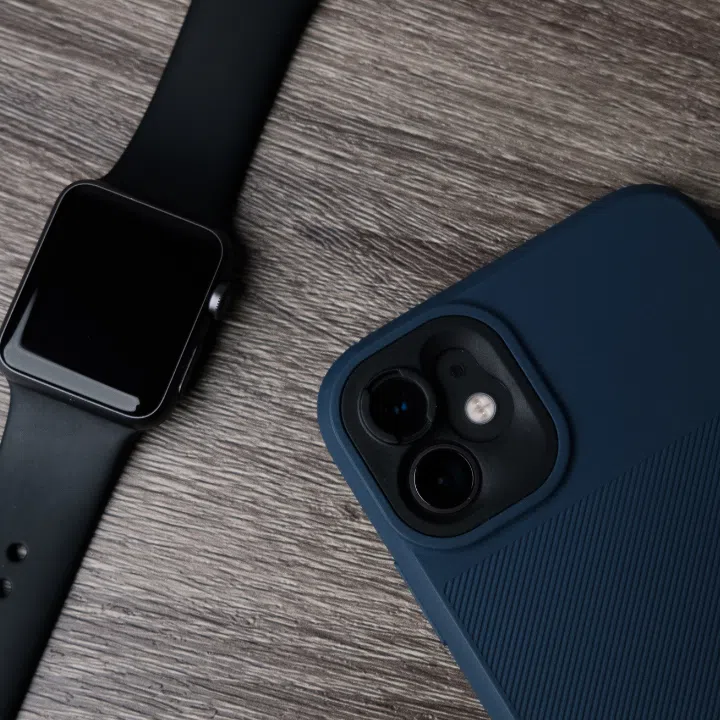
Fear of missing out is a powerful motivator, and cellphone companies are masters at leveraging this emotion. With every new model, they create a narrative that suggests owning the latest tech is not just a luxury but a necessity. Whether it’s the latest 5G capabilities or AI-driven features, they make you feel like you’re falling behind if you don’t upgrade. Through commercials, social media influencers, and tech reviews, they bombard you with messages that owning an outdated phone means you’re missing out on superior performance, security, and status.
Stay Smart About Your Next Upgrade

Cell Phone companies are experts at subtly pushing you toward a new device, often using tactics that make upgrading feel like a necessity rather than a choice. Whether through planned obsolescence, trade-in deals, or FOMO-inducing marketing, they’ve mastered the art of persuasion. The next time you’re tempted to upgrade, take a step back and evaluate whether you really need the new features or if you’re just being nudged by clever marketing.