
When it comes to energy consumption, some home appliances drain more money than they’re worth. By identifying and replacing these energy hogs, you can save money and reduce your environmental impact. Below are seven common home appliances you’re likely wasting money on and better alternatives that can help lower your utility bills.
1. Old Refrigerators
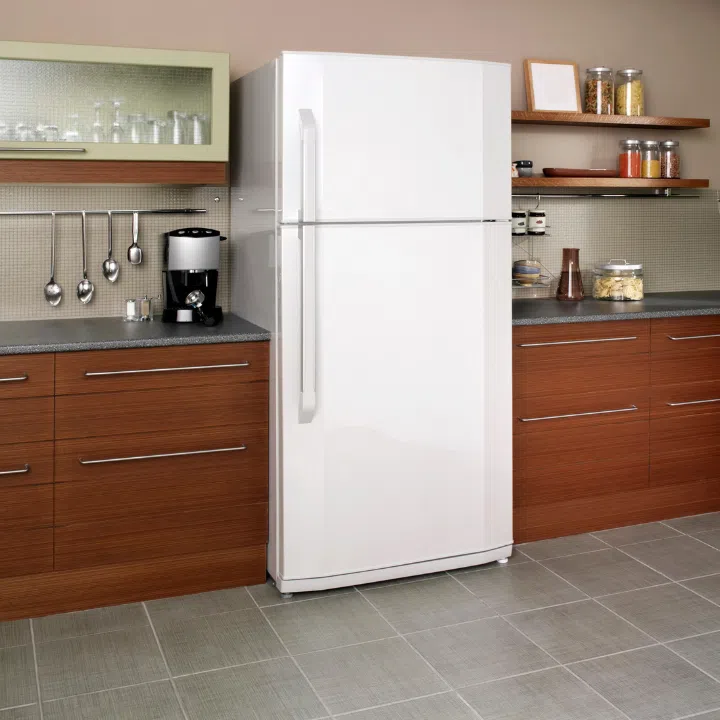
Many households continue to use refrigerators that are more than 10 years old, unaware of how inefficient they are. Older models often lack energy-saving technologies, causing them to consume far more electricity than their newer counterparts. If you have a second fridge in the garage, it’s probably costing you more than you realize. Switching to an Energy Star-rated model can cut your fridge’s energy use by up to 40%. Modern refrigerators are designed with better insulation and cooling technologies that maintain temperature efficiently. So, consider upgrading or getting rid of that old, outdated fridge altogether.
2. Electric Water Heaters
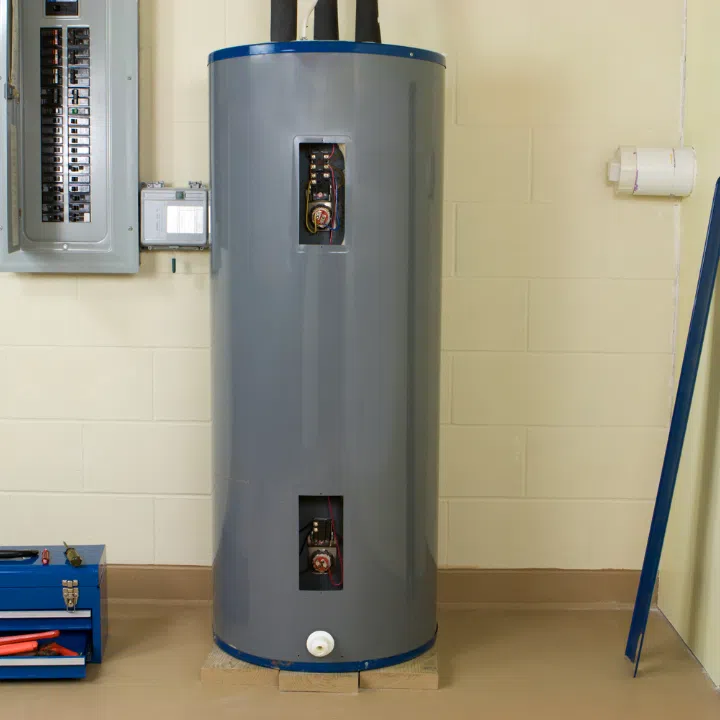
Traditional electric water heaters use a lot of electricity to maintain a constant water temperature, whether you’re using hot water or not. This results in significant energy waste, especially if you live in a household with fluctuating hot water usage. Tankless water heaters, also known as on-demand water heaters, provide a better alternative. They only heat water when you need it, leading to energy savings. By making this switch, you could cut your water heating costs by up to 30%. Plus, tankless systems often last longer than conventional water heaters, offering more value in the long run.
3. Inefficient Washing Machines
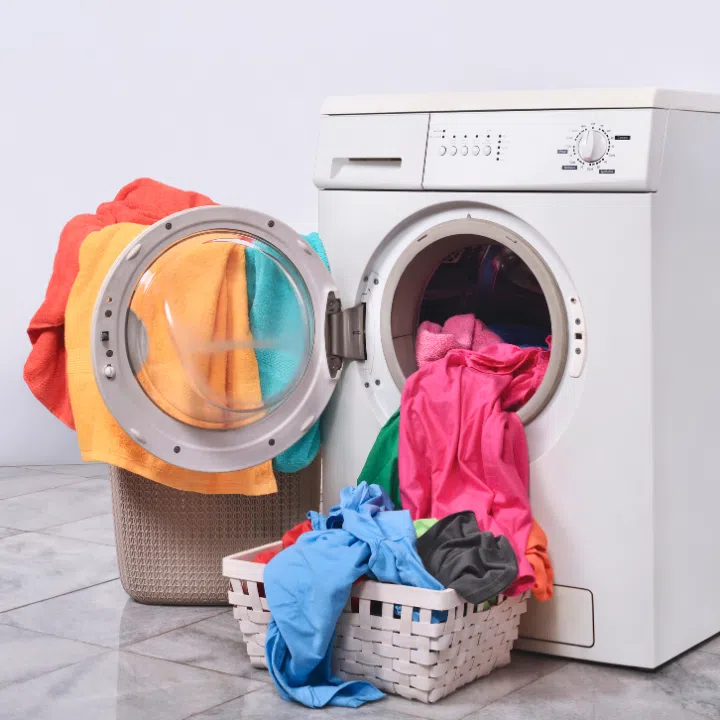
Top-loading washing machines, especially older models, use more water and energy compared to their front-loading counterparts. Top loaders typically require full tubs of water and can be harder on clothes, leading to higher energy bills and faster wear on fabrics. Front-loading washers are designed to use less water and energy while cleaning clothes more effectively. They also spin at higher speeds, which extracts more water from the clothes and reduces drying time. Opting for a high-efficiency front-loader will save money, water, and energy—benefiting both your wallet and the planet.
4. Standby Mode Electronics
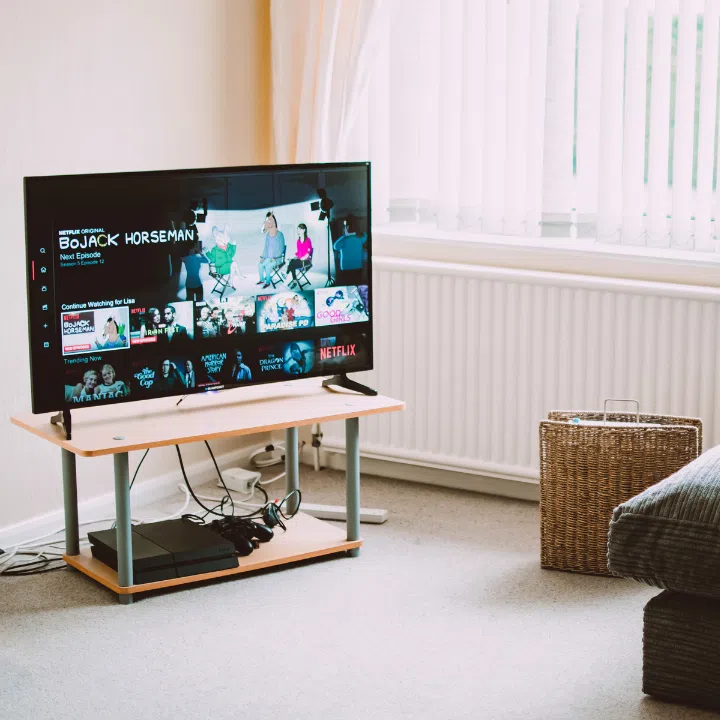
Many electronics like TVs, gaming consoles, and computers remain in standby mode when not in use, continuing to draw power. This phantom energy use can add up over time, especially in households with multiple devices. Instead of leaving electronics in standby mode, unplug them when they’re not being used or use smart power strips. Smart power strips automatically cut off the power supply to devices that are in standby mode, preventing unnecessary electricity use. It’s a simple switch that can save you a surprising amount on your energy bill.
5. Incandescent Light Bulbs
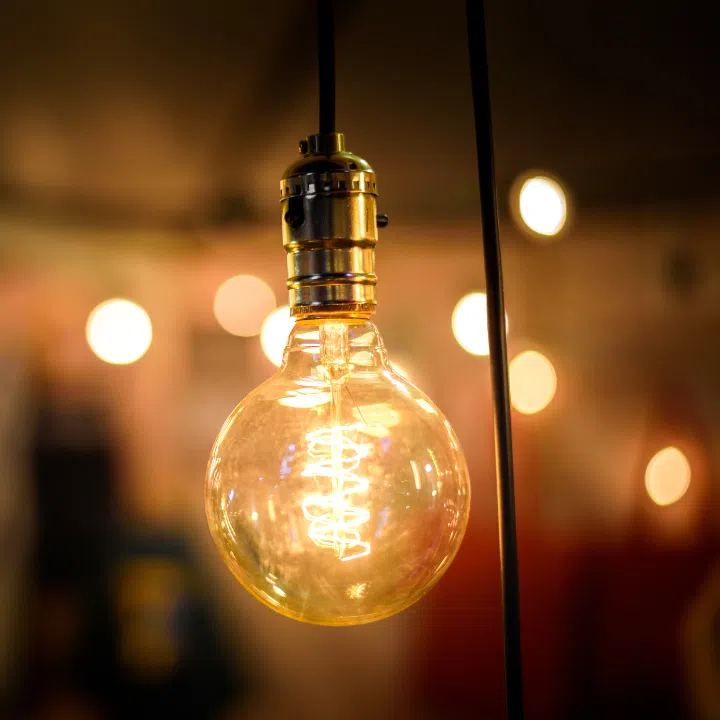
Although incandescent bulbs may seem inexpensive, they are one of the least energy-efficient lighting options available. These bulbs convert most of the electricity they consume into heat rather than light, resulting in wasted energy. LED bulbs are a much more efficient alternative. They use up to 90% less energy than incandescent bulbs and last much longer. While LED bulbs may have a higher upfront cost, they more than make up for it with their longevity and efficiency. The switch to LED lighting will significantly reduce your electricity costs over time.
6. Old Dishwashers
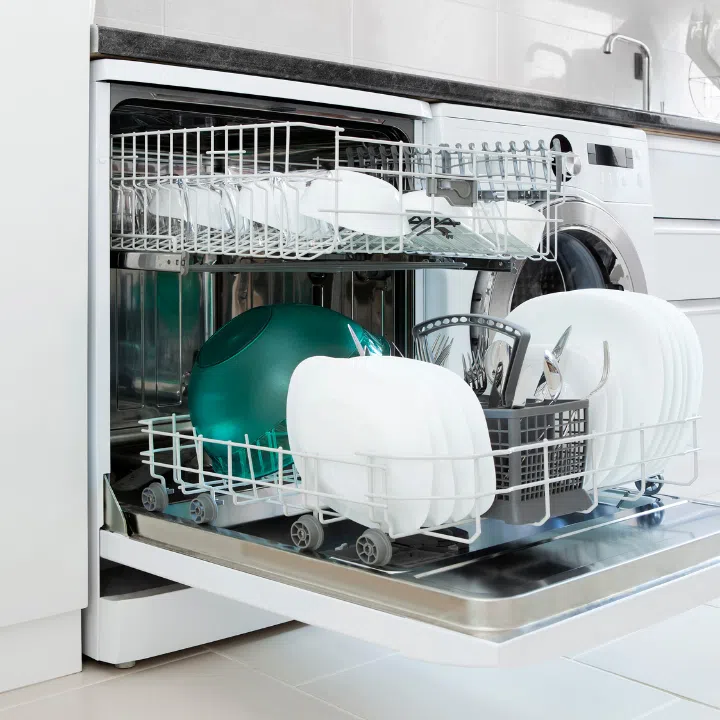
Like refrigerators and washing machines, older dishwashers tend to use more water and energy. If your dishwasher is more than a decade old, it’s likely working harder than it needs to, wasting resources in the process. Newer Energy Star-rated dishwashers are much more efficient and often come with eco-friendly settings that use less water and energy. Some models even use sensors to adjust the amount of water and energy used based on the number of dishes inside. Consider upgrading to a new model if you want to save money while keeping your dishes spotless.
7. Window Air Conditioning Units
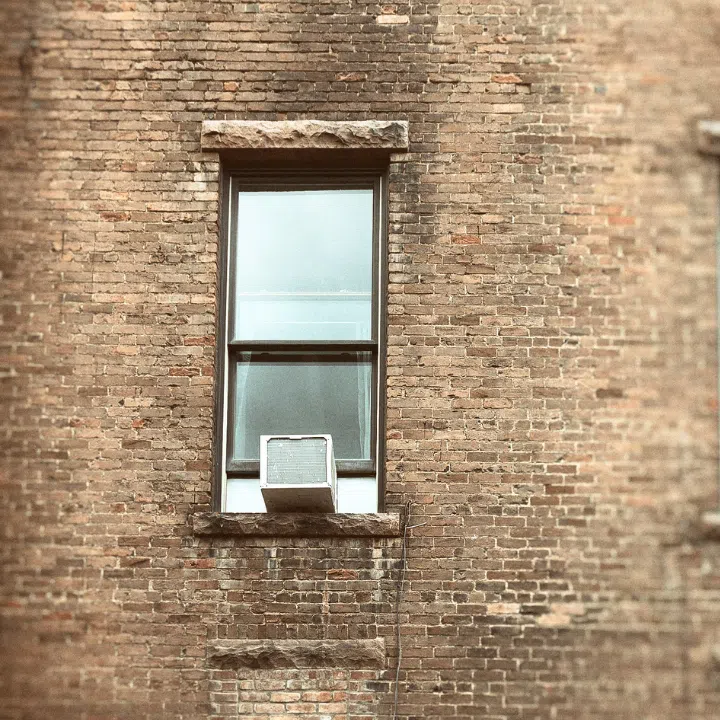
Window AC units are notorious for their inefficiency, especially older models that struggle to maintain consistent temperatures. These units can use excessive amounts of electricity, particularly in hot climates where they run for extended periods. A better alternative is a ductless mini-split system. These systems offer more precise temperature control and can be more energy-efficient, as they only cool the rooms you’re using. Additionally, ductless mini-splits have better air filtration, which improves indoor air quality. By upgrading, you’ll enjoy better cooling with lower energy costs.
Switch Smarter, Save More
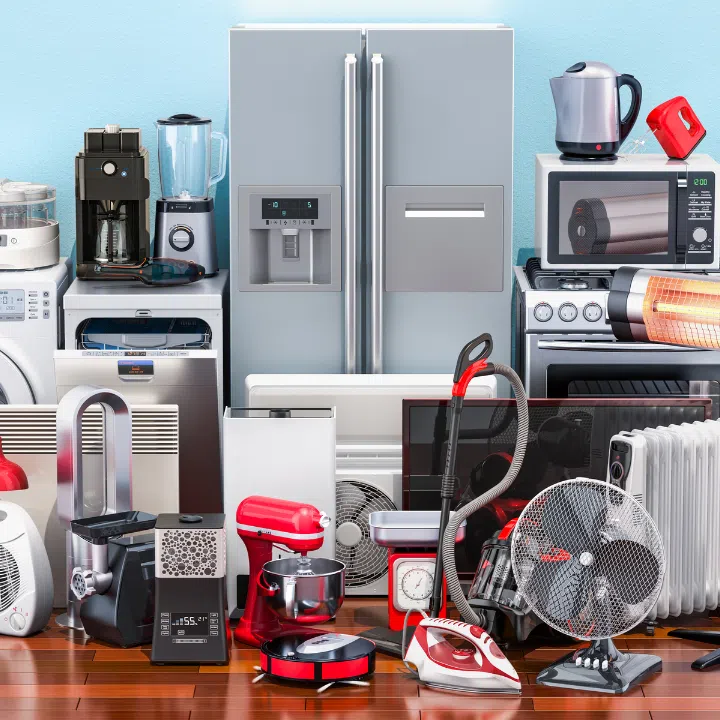
By replacing these outdated, inefficient home appliances with more energy-efficient options, you can significantly reduce your monthly bills while contributing to a more sustainable lifestyle. From upgrading to tankless water heaters and LED bulbs to investing in energy-efficient refrigerators and washing machines, there are numerous ways to cut costs. Ready to make the switch? Start by evaluating which appliances in your home are driving up your utility bills, and take action now!