
You just finished your issue. The pages are lettered, the cover pops, and you have three weeks until your first big convention of 2026. Now you need real comic book printing that handles full-bleed art, sharp color, and saddle-stitch binding without washing out your blacks or curling your cover. A generic copy shop is unlikely to meet those requirements.
Our top pick is Guru Printers for rush comic book printing and saddle-stitch booklets for indie creators because it combines dedicated comic production, booklet binding, and rush options in one US shop. It approaches comics as a specialist instead of treating them like another brochure job.
For art pre-checking and fast short runs, Printkeg is the strongest alternative. Morris Publishing stands out for US-printed self-publishing support with full rights retention.
If you are a US-based indie creator planning a convention run, Kickstarter fulfillment, or a small studio reorder, this guide is for you. Below, you will find five ranked printing services evaluated on print quality, turnaround speed, minimum quantities, cover stock, and value for short to mid-sized runs.
How We Chose
We focused on what actually matters to independent comic creators in the United States. We looked for US-based production or US fulfillment, proven saddle-stitch binding capability, and suitability for indie and short-run quantities.
We weighed turnaround speed and rush options for convention and crowdfunding deadlines, along with file support and proofing that can help non-experts avoid costly mistakes.
For quality, we prioritized color accuracy for comic art, clean panel bleed, and cover stock options that protect a book in bags, boxes, and backpacks.
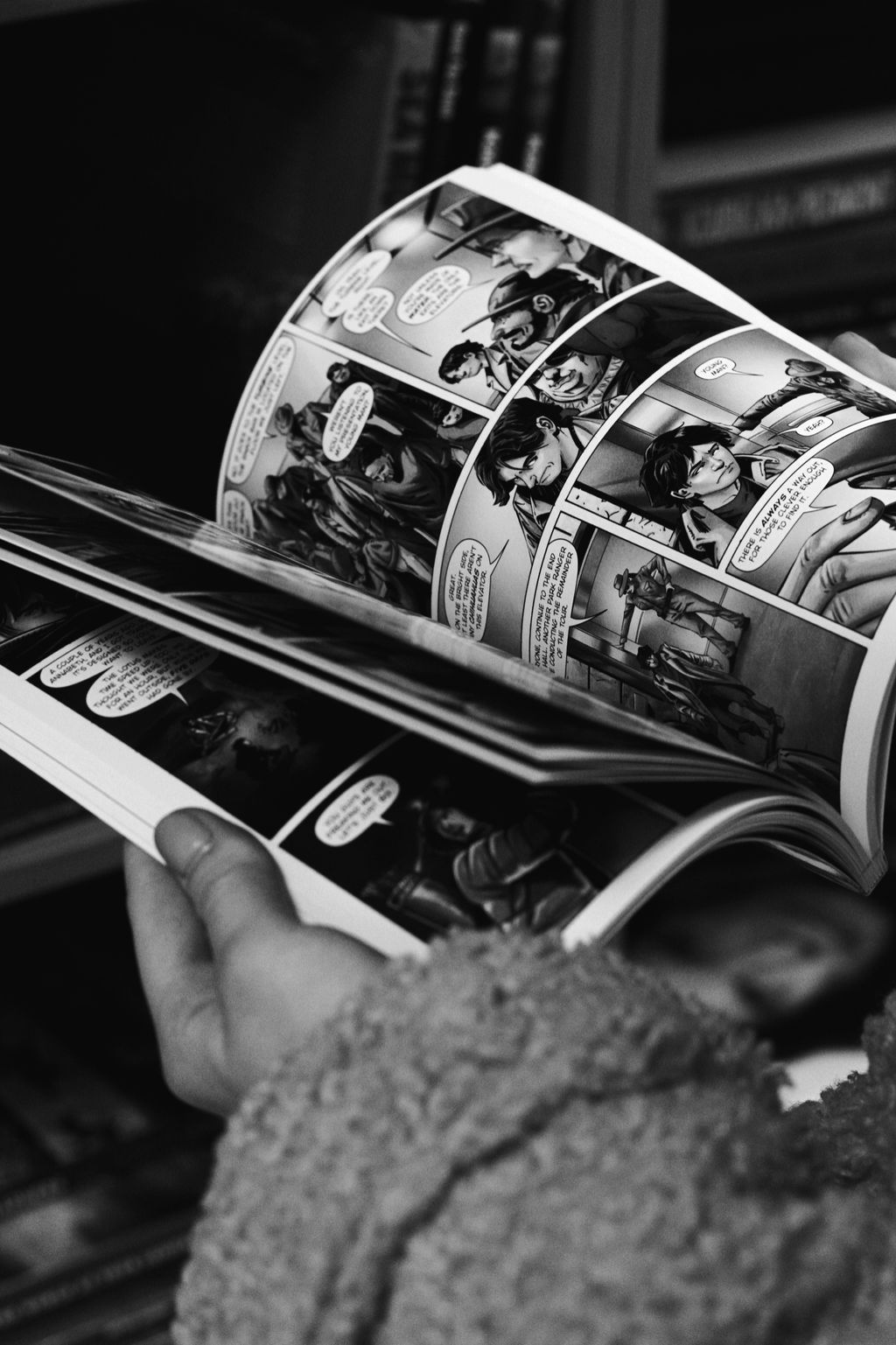
The 5 Best Comic Book Printing Services for Independent Creators
No single printer wins on price, speed, quality, and hands-on support all at once. The five services below suit different trade-offs, allowing you to match your deadline and run size to the right shop.
Our No. 1 recommendation leads because it brings comics, saddle-stitch booklets, and rush timing together.
Here is a quick comparison before we go deeper.
| Provider | Best For | Key Strength | Turnaround |
| Guru Printers | Rush Comic Book Printing And Saddle-Stitch Booklets | Dedicated Comic Focus Plus Rush Options | Rush Available, Quote Based, Not Confirmed In Days |
| Printkeg | Art Pre-Check And Fast Short-Run Comic Printing | Art Review Before Print | 2 To 3 Business Days Average, Rush Available |
| Color Vision Printing | Medium To Long Run Indie Comic Projects | CMYK Plus Pantone And Coating Choices | Not Confirmed |
| Morris Publishing | US-Printed Self-Publishing With Full Rights Retention | Guided 5-Step Process, You Keep Rights | Not Confirmed |
| Global Printing USA | Custom Comic Books With Predictable Turnaround | Stated Standard And Rush Windows Plus Bundle Protection | 7 To 10 Days Standard, 5 To 7 Days Rush |
#1. Guru Printers – Best For Rush Comic Book Printing And Saddle-Stitch Booklets
Guru Printers is a specialist pick for indie creators who need comics, booklets, and speed from one source.
If your deadline is driving every decision, start with Comic Book Printing from Guru Printers. The service is set up around comic book printing as a dedicated product category, with saddle-stitch booklet binding and rush printing capability for convention and crowdfunding timelines. Your comic is handled as a recognized print format rather than being forced into a business brochure template. That focus is useful when arranging bleed, trim, pagination, and cover handling.
For self-published comics and small publisher runs, those details matter. Panel borders that extend to the edge require the correct bleed and trim setup, while covers need enough stiffness to survive regular handling without feeling excessively heavy. Short to mid-sized runs also need consistent results across the order. Guru Printers positions its service around these production needs, with US-based service that fits domestic turnaround and shipping plans.
You will still need to do your homework at the quote stage. That is normal for custom comic work, but it should be factored into your production schedule before you set a firm release date.
Key Specs:
- Dedicated comic book printing product category
- Saddle-stitch booklet binding offered
- Rush printing capability for tight deadlines
- US-based service for domestic orders
- Pricing available via custom quote, not confirmed publicly
- Minimum order quantity not confirmed, verify before ordering
- Paper stocks and finishes not confirmed, verify at quote stage
Pros:
- Combines comic printing, saddle-stitch binding, and rush turnaround in one shop
- Offers a dedicated comic product rather than a generic commercial print format
- Rush options make it viable for convention or fulfillment deadlines
- US-based service supports domestic planning and shipping expectations
Cons:
- Pricing requires a direct quote, so you cannot compare costs at a glance
- Specific minimum order quantity is not confirmed for very small test runs
- Rush turnaround generally carries a cost premium over standard lead times
- Specific paper stocks and finish options are not confirmed in the supplied data
Who It Is Best For: Indie creators and small studios that want rush-friendly comic production and saddle-stitch booklets without coordinating multiple vendors.
#2. Printkeg – Best For Art Pre-Check And Fast Short-Run Comic Printing
Printkeg is the safety-net pick if you are concerned that your files may not be fully print-ready.
The company checks art before printing, which is valuable for first-time creators. A review gives you an opportunity to address potential file issues before committing to the complete run, although the exact scope of that check should be confirmed when ordering. Printkeg also accepts custom sizes and offers an upgraded cover option and gloss paper availability. For color-heavy books with deep shadows and bright effects, a gloss finish can give the artwork a more pronounced appearance.
Speed is another reason creators consider this service. The average turnaround for booklet printing is 2 to 3 business days, with rush turnaround options and expedited shipping available. The company describes itself as one of the faster choices for booklet turnaround in the print industry. If you have a short run for a local show or need a quick reorder after selling out, that production window is useful.
The trade-off is that you need to confirm costs and minimums directly. The pre-check may also add time at the start if your files require revisions before they can move into production.
Key Specs:
- Art checked before printing
- Custom sizes accepted for nonstandard comic formats
- Upgraded cover option available
- Gloss paper available for color-rich art
- Average production of 2 to 3 business days for booklets
- Rush turnaround and expedited shipping available
Pros:
- Art pre-check provides a chance to address file problems before production
- The 2 to 3 day average production window is fast for comic booklets
- Custom sizes work for digest, oversized, or ashcan-style projects
- Gloss paper is an option for bold color and high-contrast art
- Rush and expedited shipping options help with urgent deadlines
Cons:
- No confirmed pricing data, so you need a direct quote to compare costs
- No confirmed minimum order quantity for very small test runs
- Art review may add pre-production time if files need adjustments
- No confirmed Pantone or specialty coating options in the supplied facts
Who It Is Best For: Indie creators who want files reviewed and need fast short-run comic printing without a long production window.
#3. Color Vision Printing – Best For Medium To Long Run Indie Comic Projects
Color Vision Printing is the color-control pick for larger indie runs.
This shop handles medium to long-run projects and prints using Full Color Process CMYK, Pantone colors, Black and White, Grayscale, or a combination of those options. Pantone support is useful if you have a brand-consistent cover color, logo red, or character costume tone that needs to match across issues. You also get a wide selection of paper choices for pages and covers, along with gloss, matte, and soft-touch coatings.
Saddle-stitch binding is the primary binding method used, which aligns directly with the standard comic format. The company also positions itself as serving indie creators and niche publishers, so its offering is relevant to typical single-issue comic projects. For a multi-issue arc, a trade-style reorder, or a Kickstarter with several hundred to several thousand copies, the combination of paper choice and coating control can create a more polished finish.
It is less suited to tiny test quantities, and you will need to contact the company for timing because its standard and rush turnaround windows were not confirmed in the supplied information.
Key Specs:
- Built for medium to long-run projects
- Color options include CMYK, Pantone, Black and White, and Grayscale
- Wide paper selection for interior pages and covers
- Coating options include gloss, matte, and soft touch
- Saddle-stitch binding as the primary binding method
- Markets to indie creators and niche publishers
Pros:
- Saddle-stitch binding fits the standard comic book format
- Pantone support helps when exact cover color matching is required
- Coating choices allow for gloss shine, matte control, or a soft-touch feel
- Wide paper selection for both interiors and covers
- Explicit focus on indie creators and niche publishers
Cons:
- Its positioning for medium to long runs may not suit very small test orders
- No confirmed turnaround times, making tight convention planning more difficult
- No confirmed pricing without direct contact
- No confirmed rush turnaround option in the supplied facts
Who It Is Best For: Creators planning medium to long runs who want Pantone flexibility, paper choice, and control over the final coating.
#4. Morris Publishing – Best For US-Printed Self-Publishing With Full Rights Retention
Morris Publishing is the guided-partner pick for creators who want support throughout the process rather than a simple upload button.
You get a 5-step process for producing custom comic books, with US printing cited for faster turnaround and quality control. The customer service team is described as friendly and knowledgeable about self-publishing, which matters if this is your first book and you have questions about file setup, quantities, or schedules. The company also offers a free sample and guide, allowing you to assess the paper and print quality before committing to a run.
The standout point is rights. You retain 100 percent of your rights. For self-published comics in which the characters and story form the core of your business, maintaining that ownership is essential. Morris positions itself as a self-publishing partner, which suits creators who want direction through each step instead of uploading their files without much guidance.
Experienced creators who already know their required specifications and mainly want speed may find the guided model more involved than necessary. First-time publishers, however, may value having a defined process to follow.
Key Specs:
- 5-step process for custom comic books
- Prints in the USA for domestic quality oversight
- Support team oriented to self-publishing creators
- Full rights retention for the creator
- Free sample and guide available
- Positioned as a publishing partner rather than a print-only vendor
Pros:
- US-based printing supports domestic turnaround and quality control
- Full rights retention means you keep complete ownership of your work
- Guided 5-step process lowers the barrier for first-time self-publishers
- Free sample lets you assess quality before placing a full order
- Service model is built around common self-publishing questions
Cons:
- No confirmed minimum order quantity or pricing in the supplied facts
- No confirmed turnaround times, so you must verify timing against your ship date
- Guided process may feel slow for experienced creators who want to upload and print
- No confirmed saddle-stitch paper weight or cover stock details in the supplied facts
Who It Is Best For: First-time self-publishers who want US printing, a clear process, and complete ownership of their comic.
#5. Global Printing USA – Best For Custom Comic Books With Predictable Turnaround
Global Printing USA is the planner’s pick when you need dates you can put on a calendar.
Standard turnaround for custom comic books is 7 to 10 business days, with rush turnaround of 5 to 7 business days for most orders. Standard shipping is through UPS Ground, and expedited options are available. That clarity helps you work backward from a convention load-in date or Kickstarter shipping window without relying on a vague production estimate.
If your books need to arrive, get sorted, bagged, and boxed, knowing whether you have a 7-day or 10-day production period can change the rest of your schedule.
Shipping protection is practical too. Comics are shrink-wrapped in bundles for protection during shipping, helping to limit corner dings, scuffs, and moisture exposure in transit. If you are sending stock to a convention table or fulfillment warehouse, that packaging can help preserve the condition of sellable copies.
Creators handling their own mail and fulfillment should also review the current USPS booklet mailing standards when planning package sizes and postage for single issues and multi-issue sets.
The rush window here is slower than the fastest services on this list, so it is not designed for a last-minute emergency. It is a better fit when you have enough lead time to plan around the stated production window.
Key Specs:
- Standard turnaround of 7 to 10 business days for custom comic books
- Rush turnaround of 5 to 7 business days for most orders
- Standard shipping via UPS Ground with tracking
- Expedited shipping options available
- Shrink-wrapped bundles for protection in transit
Pros:
- Clearly stated standard and rush windows make scheduling easier
- Shrink-wrapped bundle shipping helps protect convention stock
- Expedited shipping options are available for tighter deadlines
- UPS Ground as standard provides domestic tracking
Cons:
- The 5 to 7 day rush window is slower than some competitors and may not suit last-minute orders
- No confirmed minimum order quantity or pricing in the supplied facts
- No confirmed paper stock or coating options, so do not assume finishes
- No confirmed art review or proofing service in the supplied facts
Who It Is Best For: Creators who want predictable production dates and protected bundle delivery for conventions and fulfillment.
Frequently Asked Questions About Comic Book Printing
What Is The Best Comic Book Printing Option For Very Small Runs?
For test copies, ashcan previews, or a 25 to 50 copy convention trial, look for short-run digital printing with saddle-stitch binding and low minimums. Ask each shop what its actual minimum is, whether gang-run pricing applies, and how color performs on uncoated versus gloss stock.
The People of Print discussion of print on demand for independent comics provides useful context when comparing single-copy POD with a small-batch offset or digital run for unit cost and color impact.
How Should I Prepare My Files For Indie Comic Printing?
Export a print-ready PDF with fonts embedded, images at 300 dpi, and full bleed plus crop marks that match your printer’s template. Keep critical art and dialogue inside the safe margin so nothing important is trimmed or lost in the fold.
Flatten transparency where requested, use CMYK for color interiors, and double-check that the page count works for saddle-stitch production. When in doubt, send a proof and request a preflight check before approving the run.
What Is Saddle-Stitch Binding And Why Does It Work For Comics?
Saddle stitch means folded sheets are stapled through the spine fold, which creates the classic floppy comic format. It opens easily, keeps costs lower for modest page counts, and works well for single issues and convention exclusives. It does limit spine printing and is not intended for very thick books, so the page count and paper thickness matter.
Confirm the total page count, cover weight, and creep settings with your printer before the final export.
How Far In Advance Should I Order For A Convention Deadline?
Work backward from your load-in date rather than the show opening. Include production days, proofing time, and shipping transit, then leave a buffer in case the color is off and a reprint is required. For standard production of 7 to 10 days plus ground shipping, ordering three to four weeks ahead is safer than cutting it close.
If you need rush comic book printing, confirm the rush production window and expedited shipping in writing, and ask which file approval cutoff starts the clock.
What Minimum Order Quantity Should I Expect As An Indie Creator?
Minimums vary widely according to equipment, binding, and paper. Some digital shops can produce very small batches, while offset printing becomes more cost-effective at higher quantities.
Always ask for the minimum billable quantity, the price breaks at 100, 250, 500, and 1,000 copies, and whether reorders retain the same unit price. If you only need a handful for reviewers, ask whether proof copies are available instead of ordering a full production run.
Which Paper And Cover Stock Choices Matter Most For Comics?
For interiors, look for smooth, bright stock that holds linework and saturated color without excessive show-through. For covers, heavier coated stock with gloss, matte, or soft-touch coating protects the book and determines how it feels in the hand. Gloss boosts contrast and color impact, while matte reduces glare on detailed art.
Soft touch adds a more premium texture. Request printed samples so you can assess dot gain, black density, and scuff resistance for your art style.
How Much Does Short-Run Comic Book Printing Cost?
Short-run pricing depends on trim size, page count, quantity, paper, cover finish, proofing, and turnaround speed. Rush service, expedited freight, and specialty coatings usually increase the total. The most reliable comparison comes from sending identical specifications to each printer and requesting an itemized quote that includes shipping.
Unit price matters, but it should be weighed against the risk and cost of a reprint if the color or binding is inconsistent.
What Is The Difference Between A Digital Proof And A Physical Proof?
A digital proof is a screen PDF or hard-copy printout used to check layout, spelling, bleed, and color intent, but it does not show exact press color. A physical press proof or printed sample gives you a closer look at color, paper feel, and binding, which is helpful for covers with brand colors or dark artwork.
If your Kickstarter or retailer order depends on close color matching, pay for the higher-level proof and include the approval day in your production schedule.
Final Take For Your Next Print Run
You have five solid paths depending on your priority. Guru Printers leads for its combination of comic focus, saddle-stitch booklets, and rush capability.
Printkeg suits fast checks and quick reorders, while Color Vision fits larger, color-critical runs.
Morris is a good match for guided self-publishing with rights retained, and Global Printing USA offers predictable scheduling. Compare your page count, run size, and ship date, then request a detailed quote to lock in the right fit.