
When a cookbook is out of reach, many curious cooks turn to the internet instead.
It’s full of recipes from every culture, where even the most niche dishes are just a click away.
However, it can be difficult to communicate effectively when writing a recipe, where readers need to know exactly what they’re doing.
If you’re getting started, you can find useful tips for recipe writing here.

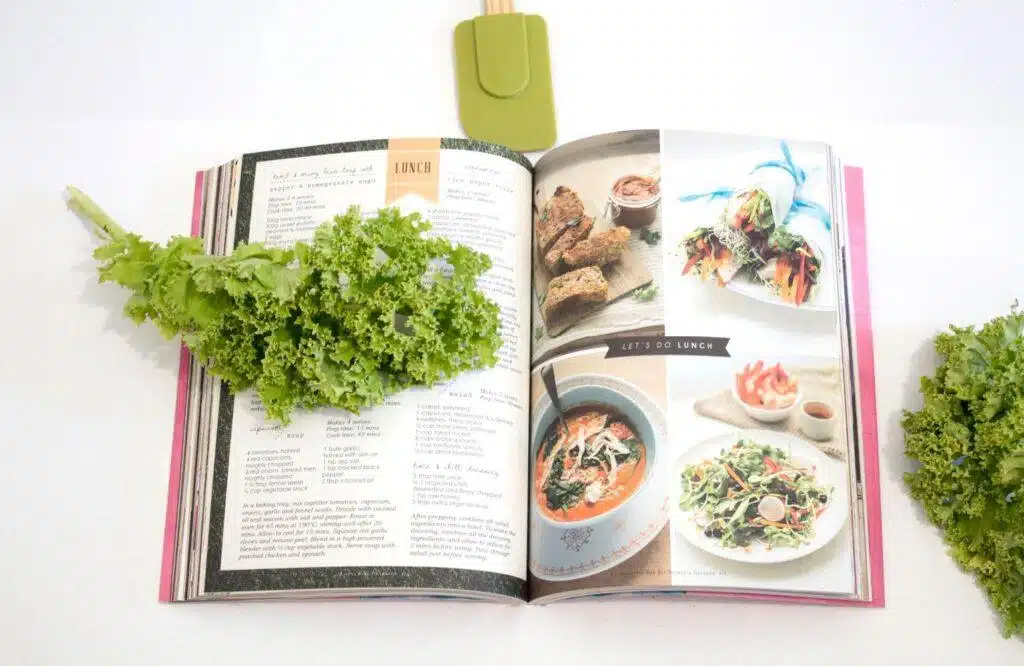
Use A Clear Online Recipe Format
A clear, easily readable recipe format is vital because the format can change how your recipe is received.
A confusing recipe can mislead readers, leading to poor results and a bad experience with your site.
That’s why most writers stick to lists while others prefer a longer, more detailed narrative format. Both can be used – it’s down to preference.
Page structure is increasingly being used by Google to rank food blogs for recipe keywords.
At a glance, it’s easy to see if a site offers news coverage or iGaming. Where an iGaming site is filled with windows showing live roulette games, wordier sites are structured into paragraphs instead.
When those paragraphs are short and sweet, with some lists and food-based imagery, it looks like a food blog. You should also mark your recipe with Google’s schema markup, to help rank as a recipe.
For a food blog, both list-based and narrative approaches can work.
Lists often include the ingredients, components/tools, or a list of actions that turn those ingredients into a tasty dish. Narrative styles are longer, though with very short paragraphs because walls of text can intimidate readers.
However, more personal brands benefit from narrative recipes as they bring the reader closer to you and your personality.
Include As Much Recipe Information As Possible
The most basic recipe is a list of ingredients and suggestions for cooking them.
However, perfecting a recipe is a lot more complicated than that – there are tools, appliance settings, yield sizes and a lot more to consider. This is why recipes fill up entire cookbooks, where extra information is included to help the reader as much as possible.
Remember the first tip – you don’t want to confuse the reader. Writing longer, more complex recipes can be like a tightrope between offering too little information and offering too much.
Instead, you should aim to strike a balance by offering just as much as you need to while keeping it easy to digest.
A good recipe covers many of the following points (but doesn’t need to hit them all):
- Brief recipe taster/description
- List of ingredients
- List of tools and appliances used
- Time and yield information
- Nutritional information
- Preparation method
- Storage methods for leftovers
Test Your Online Recipe First
Last but certainly not least, you should try out your recipe to make sure it works. This should be the first thing you do since it’ll help you get correct information about your dish and what it takes to make it.
If your recipe is good enough to share with the world, then it must be something you have made several times.
Before writing, consider if any changes would make your favorite recipes even better before sharing.

Making a fresh batch of your chosen recipe will also make your post better. You can snap pictures frequently during the process, documenting every step.
You can even shoot a video if you have the skills for it.
Promotional images and videos are used by chefs everywhere online, to show off everything from homemade dishes to restaurant menus.
Using your own images strengthens your recipe and shows people why they should give it a try.