
This article examines the intersection of fashion and function in women’s ski jackets.
It explores the importance of style in ski jackets, highlighting key features to consider when selecting one.
Additionally, it guides on choosing the right fit and discusses materials that offer both warmth and durability.
Finally, the article offers styling tips to help women make a fashion statement on and off the slopes while staying protected from cold weather conditions.
The Importance of Style in Ski Jackets
The incorporation of style in ski jackets plays a significant role in enhancing their appeal and marketability among consumers. Women ski jackets fashion trends have evolved over the years, with designers focusing on finding the perfect balance between style and functionality in winter sports fashion.

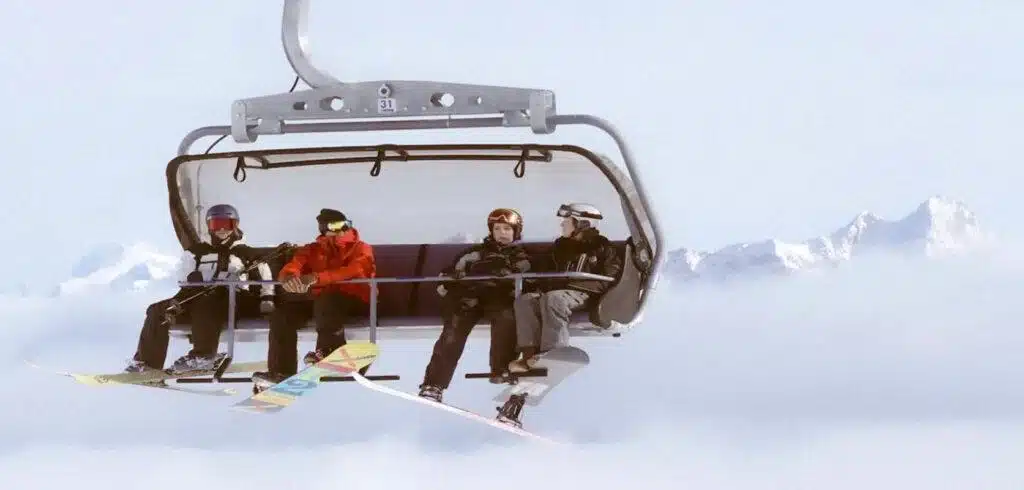
Today, ski jackets are worn for their practicality and as a fashion statement on the slopes.
Manufacturers understand that consumers want to look stylish while participating in winter sports activities, and they have responded by creating jackets that combine technical features with trendy designs.
These jackets often feature sleek silhouettes, vibrant colors, and innovative patterns to catch the eye of consumers.
The inclusion of stylish elements in ski jackets allows individuals to express their style and attracts a broader consumer base who value both fashion and function.
Key Features to Look for in Women’s Ski Jackets
When considering options for ski jackets, it is important to examine the key features that enhance performance and comfort.
Waterproof technology is crucial to any ski jacket as it protects from external elements such as snow and rain.
Advanced waterproofing materials like Gore-Tex or eVent are commonly used in high-quality ski jackets to provide maximum water resistance while still allowing breathability.
Another important feature to consider is insulation options. Ski jackets should have adequate insulation to keep the wearer warm in cold weather conditions on the slopes.
Common insulation materials include down and synthetic fibers, each offering its benefits in terms of warmth, weight, and moisture management.
How to Choose the Right Fit for Your Ski Jacket
Selecting the appropriate fit for a ski jacket is crucial to ensure optimal performance and comfort. When choosing the right size, there are a few key considerations to keep in mind.
First, consider your body measurements. Measure your chest, waist, and hips accurately using a measuring tape. Next, consult the size chart provided by the manufacturer or retailer. This will help you determine which size will best suit your measurements.
It’s important to remember that different brands may have slightly different sizing standards, so always refer to the specific brand’s size chart for accuracy.
In addition to finding the perfect fit based on measurements, it’s also important to consider how you want your ski jacket to feel and function.
Some people prefer a more relaxed fit for layering purposes or freedom of movement, while others prefer a more tailored fit for added style and sleekness on the slopes.
Ultimately, finding the right fit involves balancing personal preference with practicality.
By considering both your body measurements and the desired functionality of the ski jacket, you can make an informed decision and find a jacket that meets both your fashion and functional needs on the slopes.
Best Materials for Warmth and Durability in Ski Jackets
Optimal warmth and durability are key considerations when selecting materials for ski jackets. Insulation options are vital in maintaining body heat while engaging in outdoor winter sports.
Synthetic insulation, such as Thinsulate or PrimaLoft, provides excellent warmth even when wet, making it a popular choice among skiers.
Natural down insulation offers a superior warmth-to-weight ratio but may lose its insulating properties if exposed to moisture.
To combat this issue, many ski jackets now incorporate waterproofing technologies like Gore-Tex or DWR (Durable Water Repellent) coatings to enhance the jacket’s overall performance in wet conditions.
These technologies prevent water from penetrating the fabric while allowing perspiration to escape, keeping the wearer dry and comfortable throughout their skiing adventures.
When choosing a ski jacket, it is crucial to consider both the insulation options and waterproofing technologies available to ensure optimal slope performance.
Styling Tips to Rock Your Ski Jacket on and off the Slopes
Styling tips for ski jackets focus on enhancing the overall aesthetic appeal and versatility of the garment both on and off the slopes.
Keeping up with ski jacket trends is essential to stay fashionable while maintaining comfort during winter activities.
One popular trend is color blocking, combining two or more contrasting colors in a single jacket. This adds visual interest and makes a bold fashion statement.
Another trend is the use of metallic accents, such as zippers and buttons, which add a touch of glamour to the jacket.
Pairing ski jackets with accessories like scarves, beanies, and gloves can further elevate their style quotient.
Opting for coordinating or complementary accessories can create a cohesive look that showcases personal style while staying warm and protected in cold weather conditions.