
Submersible water pumps are a necessity for any water system. These pumps ensure that all the water gets to the right places and keeps your system in good shape.
Plus, they’re easy to install and can last you decades if you do it right.
However, with so many submersible water pumps on the market, it can be hard to decide which one is right for you.
So, when shopping for a submersible water pump, there are several things you’ll want to take into consideration to make sure you’re getting the best possible product for your needs.
Here are the tips you need when shopping for these critical pieces of equipment.
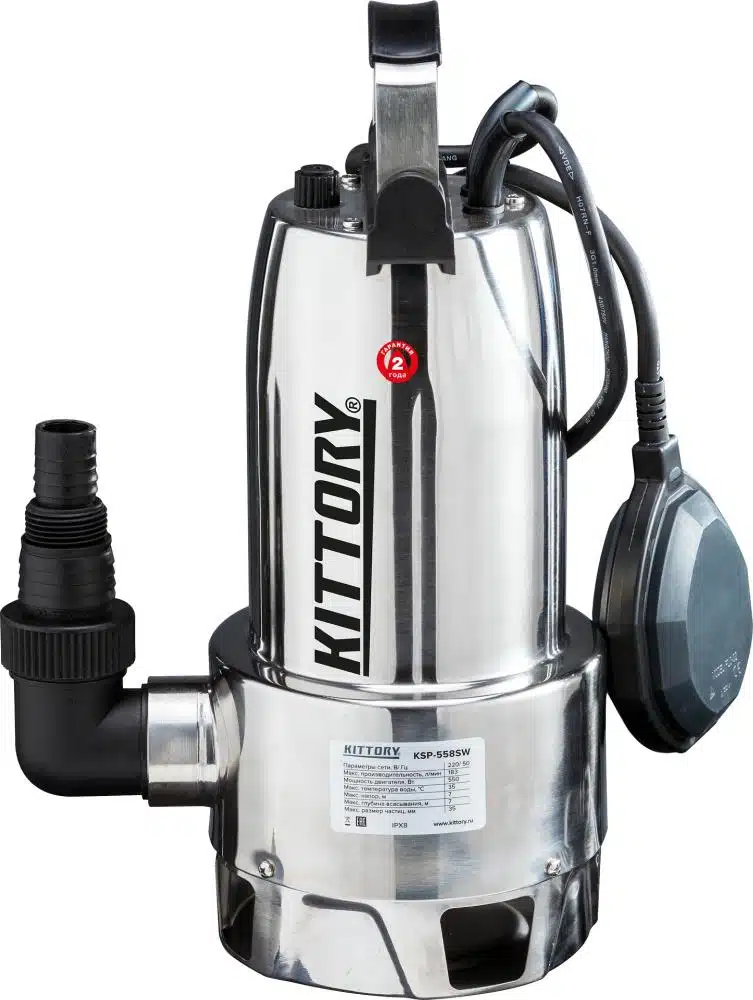
1. The Pump’s Size
When it comes to submersible water pumps, size does matter. That’s because the larger the pump, the more water it will be able to move.
You won’t need a huge pump if you have a small system.
However, if you have a large system or one that needs to move a lot of water, you’ll want to make sure you get a large pump to handle the job.
It’s always better to err on the side of caution and get a larger pump than you think you need. You won’t have to worry about your system not getting enough water.
A submersible pump designed for water should also have an inlet size that’s at least as large as the outlet of the hoses you’ll be using with it.
Those with large features or long hoses will want a pump with an even larger inlet size.
2. The Pump’s Flow Rate
The flow rate is how much water the pump can move in a certain amount of time.
This is usually measured in gallons per minute (GPM). When choosing a submersible water pump, you’ll want to ensure it has an appropriate flow rate for your needs.
If you have a small system, you won’t need a very high flow rate pump.
However, if you have an extensive system or need to move a lot of water, you’ll want to make sure you get a pump with a high flow rate.
You can usually find the flow rate listed on the pump’s product page.
3. The Pump’s Total Head Lift
The total head lift is the height where the pump can push water. This is important because you’ll want to make sure the pump reaches all the places your system needs it.
The total head lift is usually listed in feet.
When choosing a submersible water pump, you’ll want to make sure it has a full head lift appropriate for your needs.
If you have a small system, you won’t need a pump with a very high total head lift.
However, if you have a large system or need to move water to high places, you’ll want to make sure you get a pump with a high total head lift.
4. The Pump’s Power Consumption
The power consumption is how much electricity the pump will use.
This is important because you’ll want to ensure the pump doesn’t use too much electricity.
The power consumption is usually listed in watts. When choosing a submersible water pump, you’ll want to make sure it has a power consumption appropriate for your needs.
If you have a small system, you won’t need a very high power consumption pump.
However, if you have a large system or need to move a lot of water, you’ll want to make sure you get a pump with high power consumption.

5. The Pump’s Horsepower
The horsepower (HP) measures how much power the pump has.
The higher the horsepower, the more influential the pump will be.
When choosing a submersible water pump, you’ll want to ensure it has enough horsepower to meet your needs. If you have a small system, you won’t need a very powerful pump.
However, if you have a large system or need to move a lot of water, you’ll want to make sure you get a pump with high horsepower.
You can usually find the horsepower listed on the pump’s product page. The most common horsepower ratings for submersible water pumps are 1/2 HP, 3/4 HP, 1 HP, and 1-1/2 HP.
6. The Pump’s Material and Construction
The material and construction of the pump are vital because you’ll want to make sure the pump is durable and can withstand the elements.
When choosing a submersible water pump, you’ll want to make sure it’s made of durable materials that can withstand the weather and other conditions it will be exposed to.
You should also ensure the pump is well-constructed and won’t fall apart easily.
When buying a submersible water pump, consider some factors to ensure you get the best model for your needs.
Those factors include the pump’s flow rate, total head lift, power consumption, warranty, and price.
By taking all of those factors into account, you’ll be sure to find the perfect submersible water pump for your needs.