
Pediatric pelvic floor therapy is a new treatment option for young children with severe bladder problems that result in irregular potty habits.
It involves the use of a biofeedback machine and the objective of which is to teach children to gain control of their pelvic floor muscles so they could fully empty their bladder.
The condition called bladder voiding dysfunction and bowel voiding dysfunction are similar in the sense that what controls and affects the movement of bowels and the passing of urine is the pelvic floor muscles.
Instead of focusing on making the child go to the bathroom on a schedule or having them prescribed bladder control medications which may or may not be effective, pediatric floor therapy is seen as a game-changing option.
It is non-invasive, it is non-medical and it does provide significant improvements in a short amount of time.
Children with irregular potty habits may experience episodes of inability to initiate a urinary stream or have a bowel movement.
For children, having the urge to urinate but being unable to do so can be extremely frustrating. It is not always easy to be able to pee on command.
Children who are determined to hold their urine during the school day or recreational activities are working their pelvic muscles.
When attempting to pee, this holding makes it more difficult to relax these muscles. Children who are unable to urinate easily will frequently give up and return later. Having a difficult bowel movement is no different.
Children will say they need to use the restroom, but then come out and say they were unable to do so. A child will get up and avoid going until the pressure or sensation to go passes.
This could result in constipation and difficulty going the next time.
If you observe the same behavior with your young child, then it could be the right time to find out more about the condition and your options for treating it.
Why You Need Pediatric Pelvic Floor Therapy
Poor potty habits in young children can be stressful for the parent and child. For the child, being labeled as a bedwetter can crush their self-esteem and this would be embarrassing if found out.
Also, the trouble of having to change beddings, clothes, and cleaning after each accident is added work that could be avoided if the issue had been handled properly.
Potty training is important and the experience children have with it will also influence their bowel and urine movements when they grow older.
Some parents even believe that incontinence is normal and that it will go away when the child reaches a certain age.
Although this may be true in most cases, some are not able to do it properly and the incontinence will continue until it becomes a sore topic and everyone in the family becomes uncomfortable with it.
The earlier the child is given pediatric pelvic floor therapy, the more he or she will be able to correct the irregular potty habits, and the better it will be for everyone.
It is never too soon to help your child address this issue especially if it is interfering with how they feel about themselves, but surely there can be a time when it is too late, and it would take a lot more time, effort, and treatments to correct it.
It does not even matter if it was just a leak or a full-bladder accident, a slightly wet mattress, or an accident in their underwear, if the child is not able to void their bladder or bowels at the right time completely, then it is a problem and you need to act now.
Some well-meaning friends or family members might advise setting up a schedule, going to a pediatrician, or even giving medication can easily solve the problem.
Many have tried it and maybe it does, but why take the chance when a more effective treatment option is available.
What is Pediatric Pelvic Floor Therapy?
Pediatric pelvic floor therapy is a physical therapy technique that is meant to exercise and strengthen the pelvic floor muscles in children.
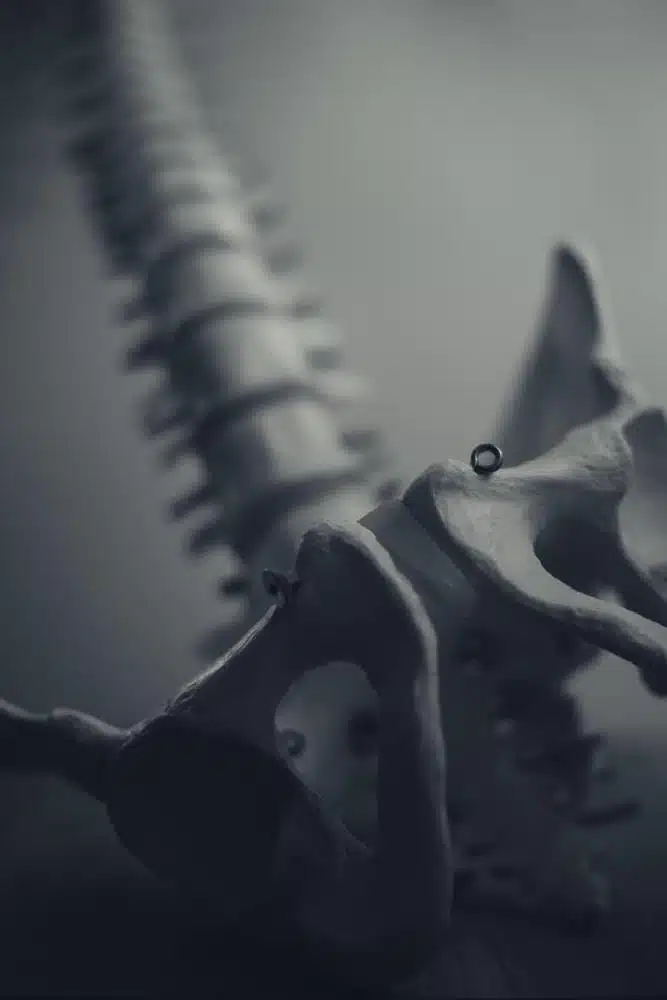
The pelvic floor muscles are located on the floor of the pelvic area.
Those certain muscles, such as that of the floor of the pelvic area, play critical roles in the proper operation of the pelvic and abdominal tissues.
The pelvic floor muscles support the bladder, intestines, and uterus via tonic contraction.
The muscle fibers act as a sphincter on the rectum and urethra, allowing urinary and fecal continence which allows urination and defecation by relaxing the muscles.
The therapy targeting the pelvic floor in children is non-invasive where the child is attached to a biofeedback machine through external terminals.
The machine will then record the muscle responses of the patient and the exercises will be repeated until a significant improvement and control are attained.
This treatment has been found to effectively help control incontinence and constipation among young children. It is painless and works just like a game that children will not have a hard time with it.
Moreover, strengthening the pelvic floor muscles will have long-term effects and will lead to healthy habits.
Where to Find Pediatric Pelvic Floor Therapy?
Pediatric pelvic floor therapy is being offered by physical therapy clinics around major cities in the country.
You can find more information on their website and you need to find one that is close to your home as you may need to take your child with you during the initial consultation and check-up.
If none is in your area, then going to the next state or city is the best thing to do as incontinence in children should not be taken for granted.
You can first contact the clinic or physical therapists to set up an appointment and during the consultation, you will be able to ask questions about the treatment.
Even if you are not sure if what your child is experiencing is a cause for concern, it is best to err on the safer side. Even then, your child will be gaining more in getting their pelvic floor muscles to work.