
If you’ve got grayish discoloration on bricks or white stains on the concrete walls of your foundation, you may have noticed that it can be unsightly.
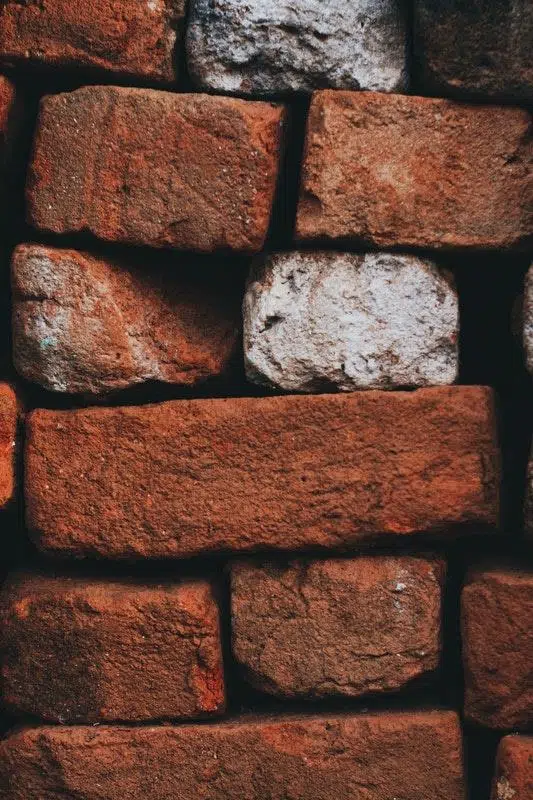
Typically, if you are dealing with a substance with a grayish, white tint, it’s probably efflorescence. Identifying this substance can help you get rid of it more efficiently and quickly.
What is Efflorescence?
Noticing a white, powdery substance on concrete located on the inside or outside of a structure is usually identified as being efflorescence.
An accumulation of salt deposits creates this substance. It may form when water is present on or in surfaces like concrete, brick, stucco, and stone.
The grayish, white substance is due to salt deposits remaining on the surface of the building material after the water has evaporated.
Causes
According to ‘58 Foundations, the area where the substance is occurring can vary in intensity and frequency due to differences in temperature and moisture.
Three primary factors need to be present for it to form, which includes the following:
- Water-soluble salts are located on or in the material
- Moisture is present, which helps the salt turn into a soluble solution
- As the moisture evaporates, the salt crystallizes and leaves behind this substance
Best Removal Methods
Using these methods will depend on the amount of substance located in the area.

Beginning the cleaning process with the quickest method is usually best. Moving on to more intense techniques can be used if simpler ones don’t work.
- Hand Washing: Using a stiff brush and mild detergent with plain water is one of the first methods you can try to move the substance. Using this technique when it first appears will usually give the best results. Performing a thorough job will usually require you to apply some pressure to the area when you’re washing it. Rinsing the surface thoroughly after washing is suggested to ensure the salts are thoroughly removed. Using household vinegar that has been diluted can also be tried if plain water isn’t removing it.
- Power Washing: Spraying the area with pressurized water can also help remove the salt deposits from the surface of the building material. With this method, using low pressure is usually best as you don’t want to open the pores in the brick or concrete that’s being sprayed.
- Sand Blasting: Choosing this method is usually due to areas where washing won’t get the job done correctly. When using this method, be sure to keep the pressure low as you don’t want to damage the surface.
- Utilizing Chemicals: In some cases, you may need to use chemical cleaning to remove the substance. When you do, soak the surface with water first to prevent the chemicals from seeping into the material’s pores being cleaned. If you use this method, following directions is essential.
After using any of these methods, be sure the surface has a chance to dry.
When possible, removing moisture from the area is one of the best ways to help ensure it doesn’t come back.