
When we discuss a person’s “state with relation to their psychological and emotional well-being,” we are referring to their mental health.
Our everyday thoughts, feelings, and behaviours are influenced by our mental health.
It also has an impact on our capacity to manage stress, meet and overcome obstacles, maintain and forge relationships, and bounce back from challenges and failures.
Being mentally or emotionally healthy entails more than just being free from psychiatric conditions like sadness or anxiety.
Moreover, there are a lot of different therapists which can help you boost your mental health.
Nevertheless, here are some of the best advices for mental disorders.
Disappointment, loss, and transition are universal experiences. Even while these feelings and experiences are a natural part of life, they nonetheless make people depressed, anxious, and stressed out.
Individuals with good mental health, however, are more able to recover from hardship, trauma, and stress, just as healthy people are better able to recover from disease or injury. Resilience is this ability.
Resilient individuals possess the skills necessary to deal with challenging circumstances while keeping a good attitude.
In both good and terrible times, they maintain their productivity, adaptability, and focus.

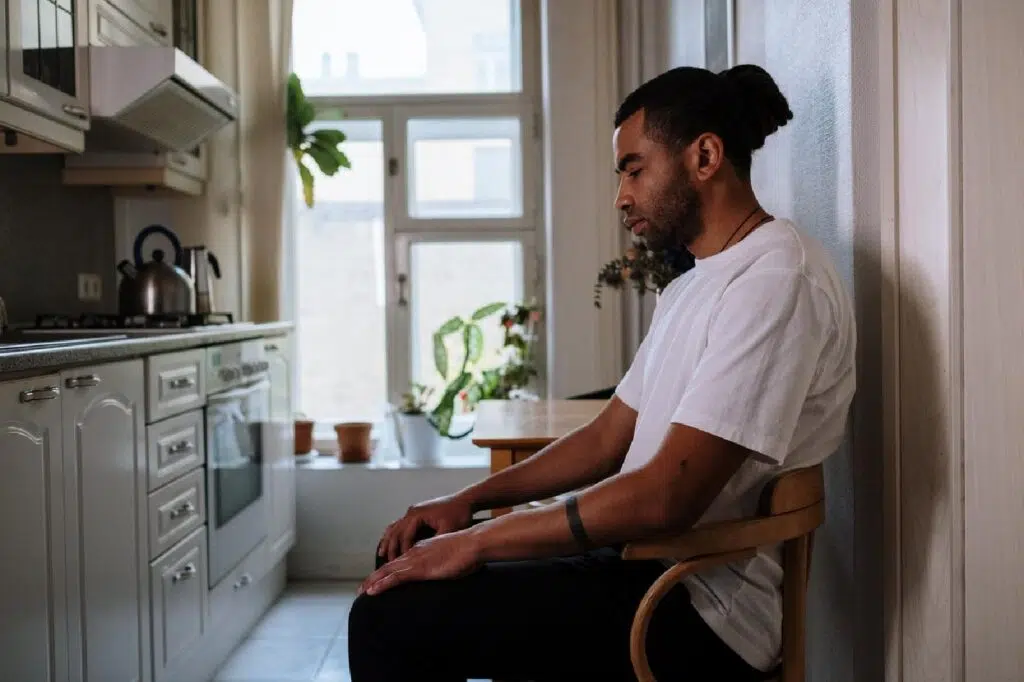
Despite the fact that our routines increase our productivity and our sense of comfort and safety, a small change of pace may liven up a monotonous schedule.
Change up your running routine, make travel plans, go for a stroll in a different park, hang some new art, or try a new eatery.
Decide what you want to accomplish academically, professionally, and personally. Then, write out the measures you must take to get there. Aim high, yet remain grounded and avoid overcommitting.
As you go closer to your objective, you’ll experience a fantastic sense of pride in yourself.
Try meditation, mindfulness exercises, or prayer to calm your thoughts. Prayer and relaxation techniques can enhance your mental health and view on life.
In fact, studies suggest that meditation may promote calmness and boost the benefits of treatment.
Stress is a natural part of life, like it or not. Practice healthy coping mechanisms by using Tai Chi, One-Minute Stress Strategies, exercise, nature walks, pet play, or journal writing as a stress reliever.
Also, don’t forget to laugh and find the funny in everything. According to studies, laughing can improve your immune system, lower stress, relax your body, and lessen discomfort.
You may alter your state of mind and attitude on life by practising relaxation techniques.
In fact, studies suggest that meditation may promote calmness. Spend some time and effort helping someone else.
You’ll feel good knowing that you’ve made a real difference in the life of someone else, and it’s a fantastic way to make new friends.
Be in excellent company: People who have supportive social or familial networks tend to be healthier than those who don’t.
Plan events with empathetic family members and friends, or look for opportunities to socialise with new people at a club, class, or support group.