
Running shoes are more than just footwear, they are essential tools that can significantly impact athletic performance, comfort, and injury prevention.
However, with the plethora of options available on the market, understanding the science behind athletic footwear can be overwhelming.
In this comprehensive blog post, we delve into the key facts behind sport shoes, exploring their design, construction, and how they influence your athletic endeavors.

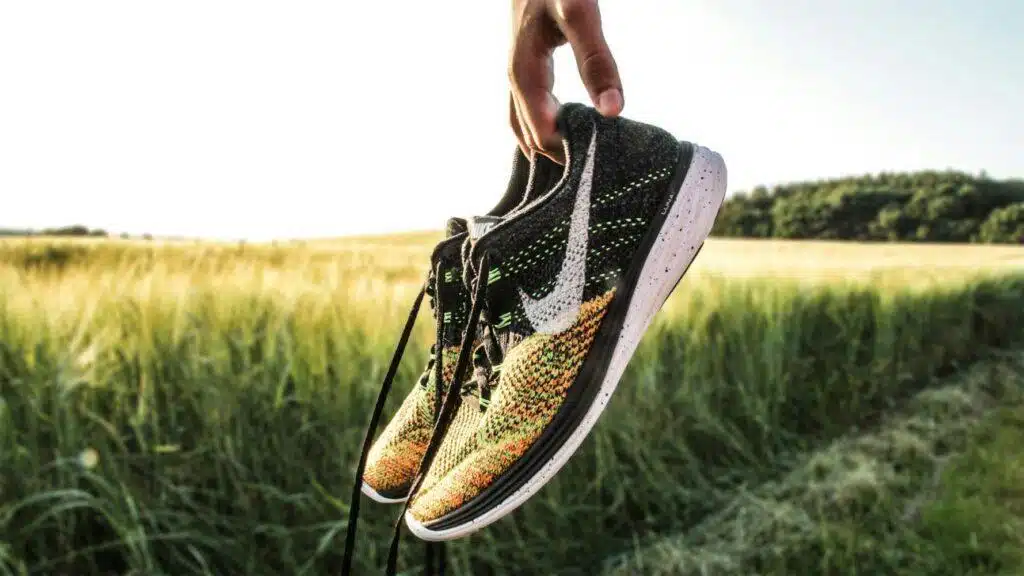
Anatomy of a Sport Shoe
At the heart of every sports shoe lies a complex blend of materials, technologies, and design elements engineered to enhance performance and comfort.
Understanding the anatomy of a sports shoe is crucial for selecting the right pair for your needs.
From the outsole that provides traction and durability to the midsole that offers cushioning and shock absorption, each component plays a vital role in the overall performance and functionality of the shoe.
The Importance of Fit
Fit is paramount when it comes to sport shoes, as an ill-fitting pair can lead to discomfort, blisters, and even injury. Proper fit ensures that your foot is adequately supported and stabilized during physical activity, reducing the risk of strain and injury.
Factors such as foot shape, arch type, and pronation should be considered when selecting sport shoes to ensure optimal fit and performance.
Cushioning and Support
Cushioning and support are critical features of sport shoes that directly impact comfort and performance.
The midsole of a shoe is responsible for providing cushioning, absorbing impact forces, and reducing stress on the joints during activities like running and jumping.
Support features such as arch support and stability technologies help to maintain proper foot alignment and prevent overpronation or supination, reducing the risk of injuries such as plantar fasciitis or shin splints.
Choosing the Right Type of Shoe
The type of sport shoe you choose should be tailored to the specific demands of your chosen activity.
Running shoes, for example, are designed with lightweight materials and ample cushioning to support forward motion and absorb impact forces.
Cross-training shoes, on the other hand, offer a more versatile design that can accommodate a variety of activities, including weightlifting, aerobics, and court sports. Understanding the unique features of each type of shoe can help you make informed decisions when selecting the right pair for your needs.
Maintenance and Care
Proper maintenance and care are essential for prolonging the life of your sport shoes and ensuring optimal performance.
Regular cleaning, drying, and storage practices can help prevent odor buildup, mold growth, and deterioration of materials.
Additionally, rotating between multiple pairs of shoes can extend the lifespan of each pair and reduce wear and tear.
When to Replace Your Sport Shoes
Knowing when to replace your sports shoes is crucial for maintaining performance and reducing the risk of injury. Signs of wear such as worn-out treads, flattened cushioning, or visible signs of damage indicate that it may be time for a new pair.
As a general rule of thumb, most sports shoes should be replaced every 300 to 500 miles or every six months to a year, depending on usage and wear patterns.
Conclusion
Understanding the facts behind your sport shoes is essential for making informed decisions that can enhance your comfort, performance, and overall enjoyment of physical activity.
By familiarizing yourself with the anatomy of sport shoes, prioritizing proper fit and support, and staying informed about advancements in shoe technology, you can ensure that your sport shoes work as hard as you do to support your active lifestyle.