
When shopping for gold jewelry in a department or jewelry store, you might encounter the term karat in association with its price.
The higher the karat, the greater the cost, but there is a deeper explanation beyond this.
Understanding karat is vital to comprehend the gold’s purity.
In the context of gold, karat implies the measure of its purity. It indicates the proportion of pure gold in the item.
For instance, 24k gold is considered pure as it has 24 parts of gold out of 24 parts in total. On the other hand, 18-karat gold comprises 18 parts of gold and 6 parts of other alloys or metals.
The reason higher karat gold is more expensive is because of its higher gold content, making it more valuable.
However, the higher-karat gold is softer and more susceptible to damage, which is why jewelry is crafted using 18 or 14-karat gold, as it strikes a balance between gold content and durability. You might see a fine print stamped on the price when buying gold jewelry.
This hallmark indicates the karat value and other vital information, ensuring transparency about the gold’s purity.
Let us read about gold karats in detail and understand the different gold karats below.
What are karats?

https://owlcation.com/misc/Understanding-Gold-Purity
Karats (also called carats outside of North America) are stamped on the gold jewelry as xxK or xxKT to indicate the type of gold and its gold content.
Karat is a measure of the gold-to-other metals ratio, represented on a scale from 0 to 24. Naturally, a higher karat implies more gold and less of other metal alloys like silver, palladium, copper, or nickel (not uncommon).
Hence, 24 karat is the purest form available. Jewelers add other metals to the gold because 24K gold is too malleable.
The additional metals offer strength and, in some cases, boost the color (as noted in rose gold, which comprises copper and gold).
Understanding Gold Karats
| Number of Karats | Parts of Gold | Percent of Gold Purity | Millesimal Fineness |
| 24k | 24/24 | 99.9 | 999 |
| 22k | 22/24 | 91.7 | 916/917 |
| 18k | 18/24 | 75 | 750 |
| 14K | 14/24 | 58.3 | 583/585 |
| 10K | 10/24 | 41.7 | 416/417 |
24K Gold
24K gold comprises 99.9 percent gold and a few additional metals.
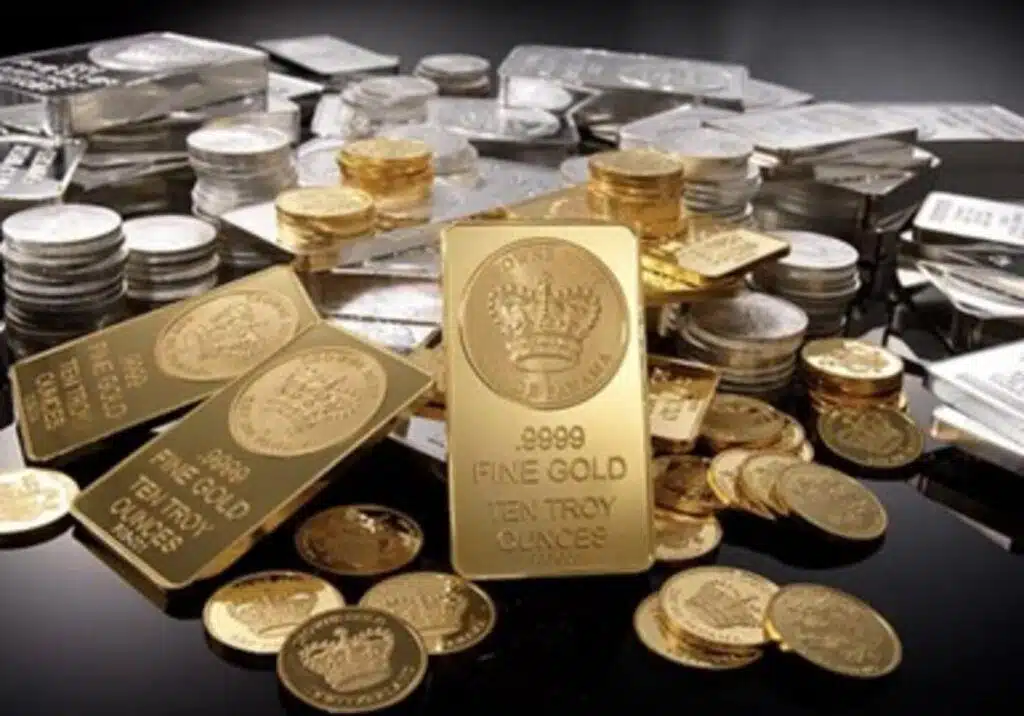
It stands as the most valuable and superior quality gold. This pure form finds extensive use in bars and gold coins, alongside applications in electronic and medical fields. Despite its purity, the 24K gold is soft.
Hence, it is prone to dents and scratches resulting from its lower density compared to the lower karat gold like 14K gold.
Consequently, it does not find use in regular jewelry.
22K Gold
22k gold is an alloy comprising 22 parts gold and 2 parts other metals, typically silver and copper. It is stamped as 916 gold and is a high-karat gold valued for its warm, rich color and durability.
Though less pure than the 24K gold, the 22K gold remains highly valued, offering superior quality and value. Its higher metal content offers it more resistance to wear and scratches, but it may not be as hypoallergenic as lower-karat gold alloys.
It can be less malleable and more susceptible to bending or breaking.
Of 22K gold, 91.67 percent is pure gold, whereas the remaining 8.33 percent comprises different alloys and metals like zinc, silver, or nickel. It is predominantly employed in plain gold jewelry. However, it is not suitable for heavily studded gold jewelry.
The softer nature of 22K gold jewelry might not be able to securely hold diamonds and other precious gemstones during regular usage and wear of the jewelry piece.
18K gold
It is an alloy with 18 parts gold and 6 parts other metals like zinc, copper, and silver. Its relatively high durability and gold content make it suitable for daily wear and is highly favored amongst buyers.
With 75 percent pure gold and 25 percent other metals, it is stamped 750 gold. Naturally, it is less expensive than 22K or 24K gold.
The 18K gold’s scratch and wear resistance make it a top choice for wedding and engagement rings. Moreover, its malleability allows for intricate designs in both modern and traditional jewelry styles.
The right yellow tone with a slightly dull shade of 18K gold amplifies its appeal for exquisite diamond and gold jewelry, making it ideal for studded and diamond jewelry. Further, its lower metal content makes it a preferred selection for individuals with metal allergies.
It finds extensive use in crafting wearable items (like watches) and jewelry. 18K gold jewelry is massively employed in casual wear pieces too.
14K Gold
14K gold or 585 gold stamp jewelry is an alloy comprising 58.3 percent pure gold and 41.7 percent of other metals like silver, zinc, copper, and nickel. Its lower gold content results in a paler yellow color than higher karat golds.
It makes it a more affordable option than the higher-karat golds.
The sturdiness of 14k gold makes it a popular choice for jewelry items because of its resistance to wear and tear.
With a higher proportion of alloyed metals, it is more durable and harder, making it ideal for daily-wear jewelry, especially for those with an active lifestyle.
Furthermore, its reduced susceptibility to causing skin allergies amplifies its appeal.
10K Gold
10K gold is a gold alloy with a minimum of 41.7 percent gold content. The remaining are other alloys like nickel, silver, or zinc.
With 58.3 percent of alloyed metals, it is less valuable and more susceptible to tarnish than pure gold. Its sturdiness prevents easy bending or scratching.
As a more affordable type of gold, the 10K gold is paler than all the high-value karats stated above.
It finds use in crafting simple rings, chains, and other jewelry items that do not belong to elegant collections. But please note 10K gold’s durability and straightforwardness make it a preferred pick for daily wear.
Despite its advantages, 10K gold may lead to skin allergies for individuals allergic to metals found in the alloy.
So, which gold karat should you go for?
In all honesty, there is not one definitive ‘best’ type of gold karat for everyone when it comes to gold jewelry. The ideal selection depends on the specific jewelry piece and how frequently you wear it.
Factors like personal taste, lifestyle, and sensitivity must be considered when picking gold karat for an everyday chain or a wedding ring. Budget considerations are also imperative.
Further, checking the current gold rate is crucial before making a purchase.
Each form of gold, be it 22k or 10k, has its unique appeal.
Finally, the most essential thing is to pick jewelry you find valuable and worthwhile, as gold will always shine beautifully, regardless of the karat.