
Key Takeaways
- Indoor mold thrives on excess moisture from humidity, leaks, flooding, and poor ventilation.
- Early detection and prompt repairs are critical to preventing mold growth and property damage.
- Managing humidity, improving airflow, and maintaining HVAC systems reduces mold risk.
- Regular inspections of high-risk areas help protect both health and the home in the long term.


Struggling with indoor mold is a concern for many homeowners and renters, as it can negatively impact their health and damage their property. Mold growth inside your living space is not just an unsightly nuisance; it can trigger allergies, exacerbate respiratory issues, and lead to costly repairs if left untreated. Understanding the underlying factors behind mold infestations empowers you to protect your home and create a safer living environment for you and your loved ones. Addressing key environmental issues is critical not just for prevention, but also for recovery after exposure or infestation from mold. Taking proactive steps and learning about available mold poisoning treatment solutions can help safeguard your well-being and prevent recurrent issues over time.
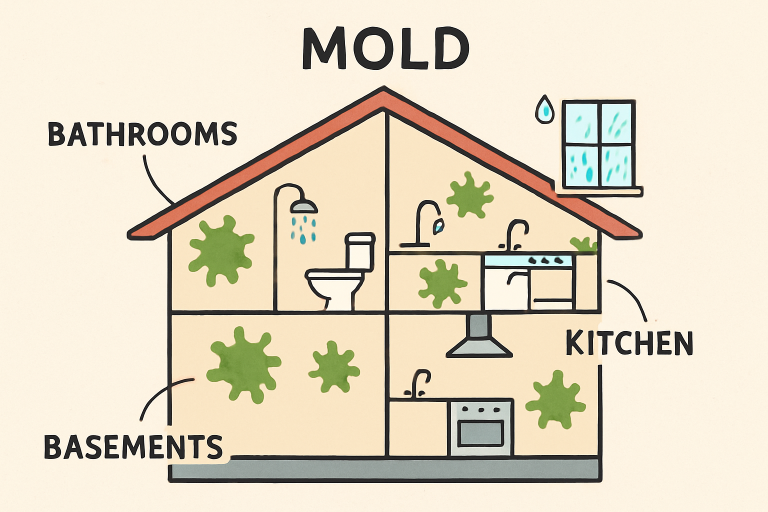
Mold flourishes in environments with high humidity, warmth, and organic material. Certain areas of the home, such as bathrooms, kitchens, basements, and laundry rooms, are especially high-risk due to frequent water use and the potential for dampness. Even seemingly minor issues, such as occasional condensation on windows or a small water stain on the ceiling, can create ideal conditions for growth. Identifying and mitigating these common causes significantly reduces the chances of mold recurrence in your home. For people experiencing persistent symptoms or who have discovered visible mold, seeking professional support and treatment may be necessary, especially if exposure has already occurred. Protecting your home environment is a continuous process that requires vigilance and prompt action.
High Humidity Levels
Humidity above 60 percent creates an environment ripe for mold, especially in bathrooms, kitchens, and basements, where moist air accumulates. Everyday activities like cooking, showering, and laundry add significant moisture to the air, often without us realizing it. Inadequate airflow and closed doors exacerbate the problem in small spaces. Keeping humidity between 30 percent and 50 percent by running dehumidifiers, using exhaust fans, and improving airflow is key. It’s helpful to use a hygrometer to monitor indoor humidity. Many inexpensive models are available online or at hardware stores. Maintaining stable indoor humidity means less moisture for mold to thrive on and fewer problems down the road.
Poor Ventilation
When airflow is restricted, moisture lingers and can settle on surfaces where mold easily takes hold, such as window frames, behind furniture, or along basement walls. Frequent offenders include windowless bathrooms, crowded storage spaces filled with boxes or fabrics, and homes with sealed windows that rarely open. Accumulated moisture in these spots increases the risk of mold spores germinating. Natural ventilation, such as regularly opening windows, or mechanical exhaust systems in high-moisture areas, dramatically reduces moisture buildup and helps maintain healthy air quality. Installing fans in attics and crawl spaces can also make a significant difference in promoting better circulation and drying out damp spots.
Water Leaks
Unseen leaks from pipes, roofs, toilets, or windows often go unnoticed until mold is already established and visible signs, like discoloration or musty odors, have appeared. Small drips can saturate hidden areas over time, creating pockets of constant moisture behind walls, beneath floors, or inside cabinets. Even appliances like dishwashers and washing machines can leak, contributing to the problem. Routine inspections under sinks, behind appliances, and in attics or crawl spaces help detect leaks early and prompt repairs before mold can grow. Don’t overlook the value of professional plumbing inspections, which can catch issues you might miss.
Flooding and Water Damage
Floods or burst pipes inject large amounts of water into structural elements like flooring and drywall, greatly increasing the risk of significant mold outbreaks. Mold can start forming within 48 hours, especially if damp conditions persist and materials remain wet. Drying everything thoroughly with fans, removing soaked materials, and applying disinfectants can halt mold colonization after flooding. In cases where possessions like carpets or upholstered furniture are thoroughly saturated, it may be safest to discard them. For large-scale events, professional water damage restoration may be required to ensure all affected areas are properly dried and treated.
Condensation
Condensation is a frequent issue in homes with poor insulation or fluctuating indoor temperatures. When humid air comes into contact with a cold surface, tiny water droplets often form on windows, pipes, and exterior walls. These damp spots, if left unaddressed, can eventually lead to visible mold patches, particularly during colder months when temperature differences are more extreme. Improving insulation in attics and crawl spaces, sealing leaky windows, and using vapor barriers on walls are all effective strategies. If condensation is persistent, heated air may need to circulate more freely throughout the home to prevent cool areas where moisture collects.
Damp Materials
Materials such as carpeting, drywall, and wood are highly susceptible to mold when left wet for prolonged periods. Leaks, spills, and even high humidity can keep these materials damp, making them a magnet for mold spores. Items like towels, bath mats, or laundry left wet can also pose a risk. Promptly drying or discarding affected items is essential to prevent mold spores from finding a permanent foothold in your home. Remember that even floors beneath potted plants or storage boxes can develop mold if not regularly checked and kept dry.
HVAC System Issues
Dust and moisture inside heating and air conditioning systems can become a breeding ground for mold, and these spores can quickly be spread throughout your home via vents and ducts. If condensation forms in ductwork or on coils, it provides a persistent moisture source where spores can grow. Ensuring your system is regularly maintained, with filters changed according to the manufacturer’s guidance, reduces the risk of mold growth in the ducts and on vents. Consider professional cleaning if you suspect a problem, especially if there are lingering smells when the system is running.
Crawl Spaces and Basements
These lower levels of the home often have poor lighting and airflow, which can trap humidity and make them magnets for mold growth. Unfinished areas can retain ground moisture or suffer from seepage during heavy rains. Steps such as installing vapor barriers, managing exterior drainage, and running a basement dehumidifier make a significant difference. Inspect these areas frequently for any sign of dampness, visible mold, or musty odors emerging from corners or behind stored items. Installing a sump pump in areas prone to flooding may also help prevent recurring moisture problems.
Roof Leaks
Missing shingles, clogged gutters, or aging roofing materials may let rainwater in, often without visible symptoms until water stains or mold patches appear on ceilings or walls. Even small leaks can create significant damage over time if left unchecked, especially in attics or along exterior walls. Scheduling annual roof inspections and regularly clearing gutters helps prevent water intrusion and mold growth in attics and upper walls. Replacing damaged flashing or resealing joints can also be key preventive steps.
Inadequate Drainage
Poor landscaping, clogged drains, or improperly sloped ground can allow water to pool around your foundation and seep inside, causing persistent dampness in basements or crawl spaces. Over time, this excess moisture can lead to hidden mold growth in walls, floors, and insulation. Improving exterior grading, installing French drains, and extending gutter downspouts away from the house all help keep crawl spaces and basements dry and mold-free. Checking outside after heavy rainfall for pooling water or soggy soil near your foundation is a simple but effective preventative habit.
Final Thoughts
Addressing these common causes promptly and consistently can help you prevent a majority of indoor mold problems. Creating a healthier home environment takes ongoing attention, but the rewards in terms of safety, comfort, and peace of mind are well worth the effort. By tackling moisture at its source and being proactive with inspections and maintenance, you can minimize your risk and enjoy a healthier living space for everyone.