
When your child is first learning to drive, it can be a scary ordeal – especially if this is your first child to do so.
Oftentimes, having a teen or young adult child who is just beginning to drive can be challenging: it involves risks, trust, and a great deal of patience.


It can also be absolutely terrifying to entrust such a huge responsibility onto your children.
That being said, learning to drive and having the correct foundational skills for safe and responsible driving can offer up so much freedom to our children, as well as teach them adult skills that they will carry with them through the rest of their lives.
Here are some things you need to know for when your child is learning to drive.
Every driver is different.
Some people are naturals. Others?
They’ll be more hesitant, or struggle to pick up the rules of the road and basic driving maneuvers.
This is where the patience comes into play.
If your child is having a hard time or finding it difficult to get their hours in, be patient!
There is no race when it comes to learning how to drive – (and racing should probably be discouraged anyway.)
You should add them to your insurance.
If you have an adult or teenaged child who is living at home and using your vehicle to drive, you should add them to your insurance as an occasional driver.
Occasional driver refers to someone in your household who uses your vehicle as well but is not the primary driver.
Keep in mind that drivers under the age of 25 are considered high-risk and may contribute to an increase in your insurance premiums.

Additional factors will contribute to a hike in premiums as well.
Location matters: for instance, auto insurance Oshawa drivers pay for may cost more than auto insurance in Alberta cities, since Ontario drivers tend to see the highest rates for car insurance.
Multiple collisions and traffic violations will also cause your insurance premiums to soar.
If your child is added to your policy and gets into an accident, know that this will impact your insurance.
Enroll them in a driver’s education course.
You can definitely teach your child yourself, but you can also seek out the help of the professionals.
This does not have to substitute in your own teachings or the teachings of another trusted adult, but it can supplement any gaps you might leave and can certainly lay a strong driving foundation for your child learning to drive.
Having them take an (approved) driver’s education course may also help them cut down on auto insurance or – if you are the policyholder and the one paying for the insurance – help you save some costs.
Many insurance providers will offer discounts for taking certain courses.
Nothing replaces their own senses.
If your car has a rear-view camera, blind spot sensors, or other fancy tech, don’t use it.
That may sound opposite to what you would expect, but you need your children to rely on their own senses to operate a vehicle in the event they should ever own a car without these fancy gadgets or if these systems should fail or malfunction.

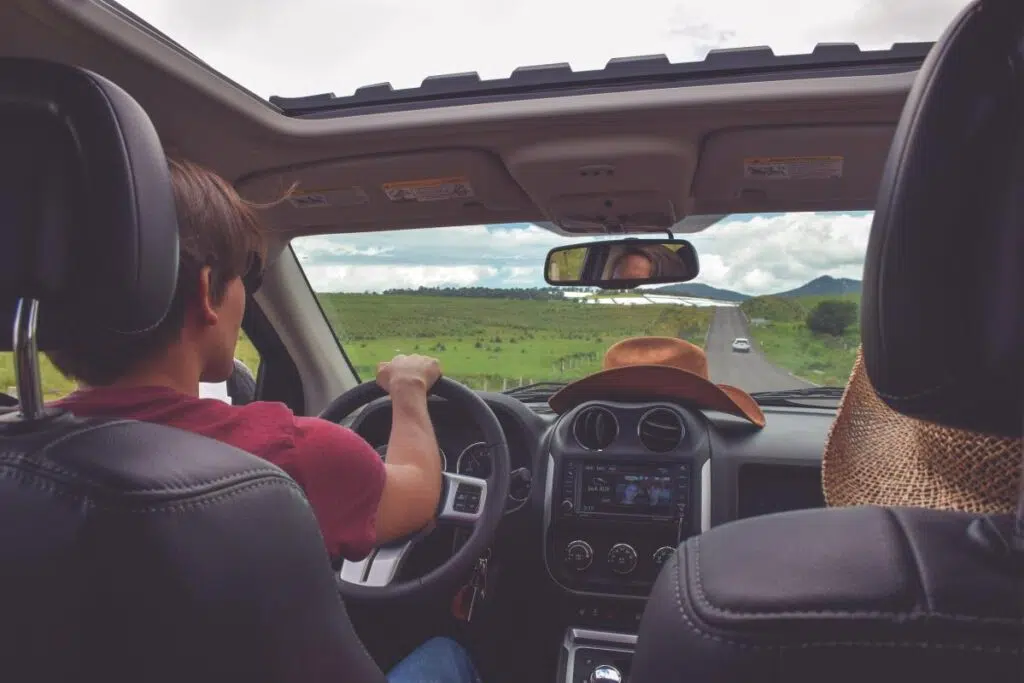
Sometimes, these driving aids are not always dependable and good, basic driving skills should be first and foremost.
Model appropriate driving behaviour.
As the adult or parent, it is your duty to model good driving behaviour.
Advising your children to skirt the road rules, speed through yellow lights, or cut other drivers off is not a good way to teach them the responsibilities of being a good driver and road citizen.
Your children will be looking to you to see how you handle yourself when behind the wheel and also how you react to other drivers.
If someone cuts you off and you explode at them, they may replicate this themselves because they think it is okay.
Keep calm and composed and adhere to the rules of the road as best as you can.
If you make a mistake, it can be a learning opportunity!
Teaching your child how to drive and letting them become invested in the experience of driving is a huge step, but you don’t have to worry!
Naturally, many of the things that come with teaching your child to drive or helping them along while they learn to drive has to do with the basic aspects of parenting.
Model good behaviour, stay calm, and be patient!