
No one wants to live in a state labeled as dirty. But in some states, dirtiness can be attributed to more than just filth. For example, according to the EPA 131.2 million people, or 39% of Americans, live in areas with unhealthy levels of ozone or particle pollution. In addition, nearly half of our rivers and streams and more than one-third of our lakes are polluted. Here are 10 dirty states that are contributing to environmental problems.
1. Louisiana

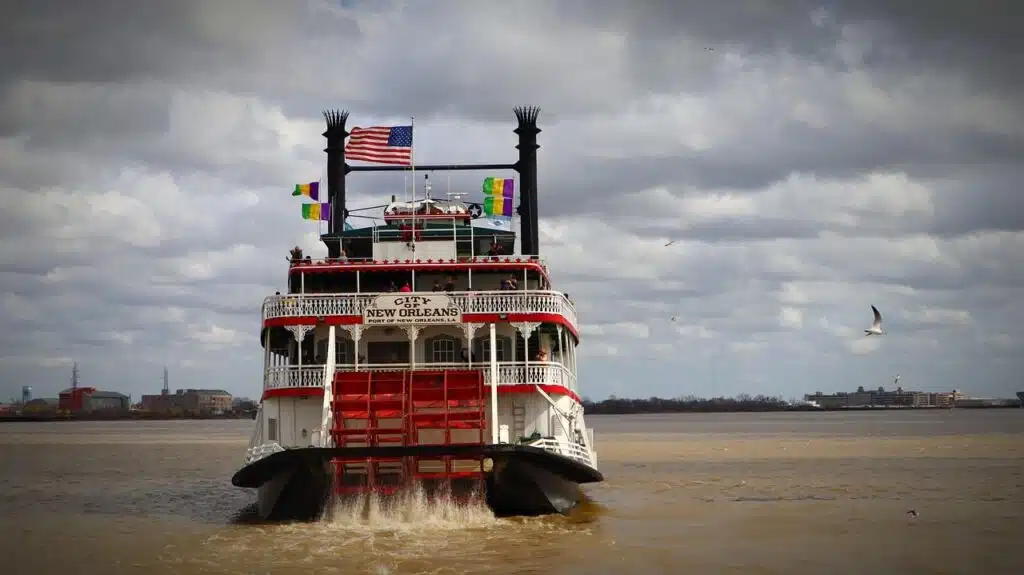
Louisiana is plagued by pollution due to oil factories that lined the Mississippi River and polluted the air for decades. This area is referred to as ‘Cancer Alley’ where many low-income predominantly Black residents are at a high risk for cancer and respiratory illness. In 2022, the EPA conducted a civil rights investigation looking into whether state regulators had violated the civil rights of Black residents living in this part of the state.
2. Nevada
Due to its booming tourism industry, Nevada struggles with pollution. According to a U.S. News and World Report, Nevada ranked second in worst air pollution in the country. Additionally, Nevada is one of the fastest-warming states in the country, according to nonprofit Climate Central. Las Vegas in particular has unhealthy ozone pollution. Outside of larger cities, rural Nevada, which is mostly desert, struggles with scarce resources, waste treatment, and water quality.
3. Indiana

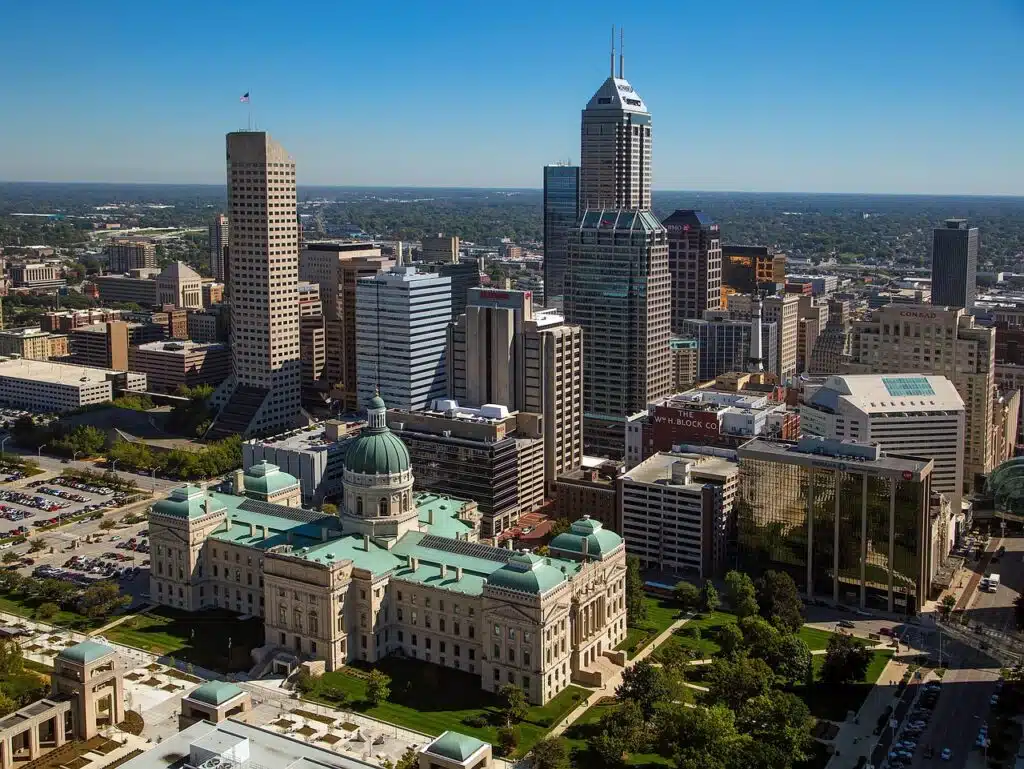
Indiana makes the list as the third dirtiest state in the US due to its water pollution. According to the Environmental Integrity Project, Indiana has the most polluted rivers and streams of any state. Most of which are too polluted to swim in. Agricultural runoff, contaminated industrial sites, and sewage all contribute to this dire issue.
4. Delaware

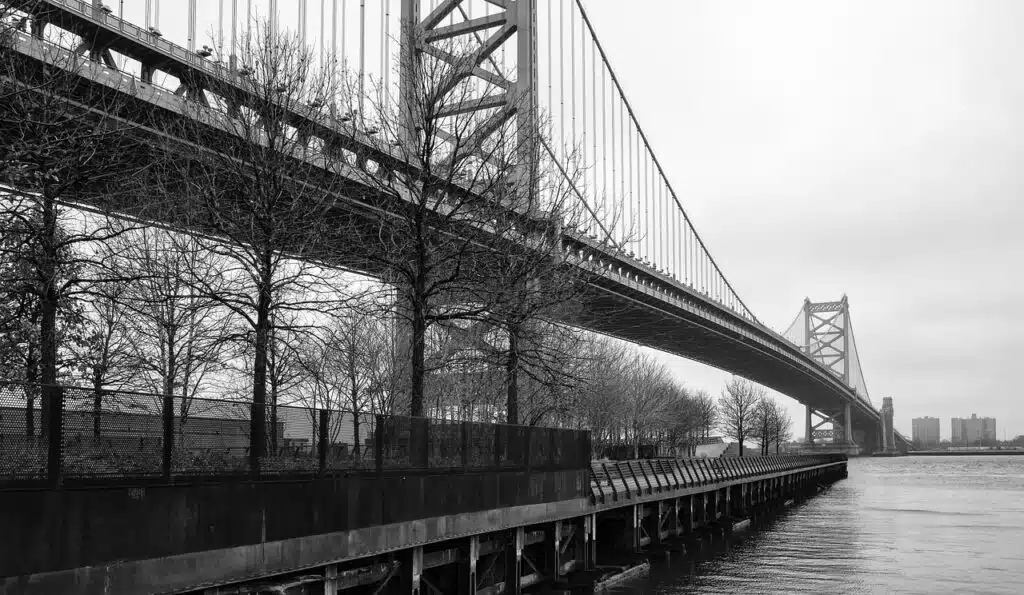
Delaware is also ranked as one of the dirtiest states due to water pollution. The Environmental Integrity Project reported that 97% of Delaware rivers and streams are too polluted for both water recreation and aquatic life. Fertilizer runoff, contaminants, and algae blooms are all responsible for this pollution. The state also has issues with its sewage infrastructure, creating more problems.
5. Utah
Utah has many problems with pollution including toxic dust, poor air quality, and water pollution. Research has shown that many of Utah’s recreational swimming areas are polluted. In addition, toxic dust is due to The Great Salt Lake’s drying lakebed. The lakebed contains arsenic and other metals.
6. Ohio
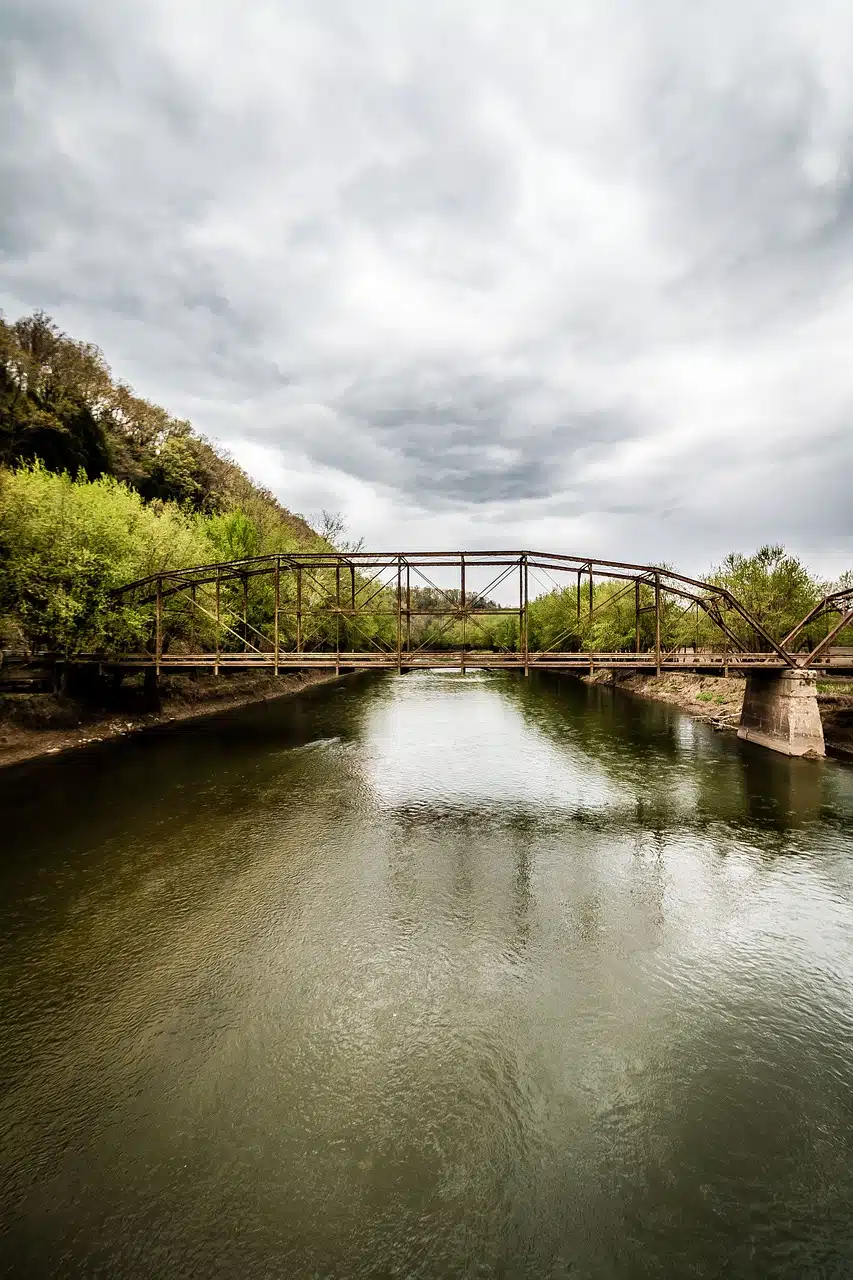
Ohio makes the list as the sixth dirtiest state mainly because of its industrial pollution. The Ohio River Basin is one of the most polluted watersheds in the country. Industrial discharges from coal-fired power plants, steel and aluminum manufacturers, and petrochemical plants have released millions of pounds of toxic waste into the river. Most of the chemicals released into the Ohio River watershed were nitrates, which have been linked to development and birth defects.
7. Oregon
Portland in particular is known for having a trash problem. Clean & Safe’s annual Downtown Portland Business Survey, shows the vast majority of business owners downtown agree trash, graffiti, and instances of vandalism have become a big issue. Many attribute these issues to the housing crisis in the area. Another problem in the state is the pollution in the Willamette River.
8. Tennessee
Tennessee also has an issue with water pollution, litter, and water quality. A litter study found that most of the issue lies on Tennessee’s roadways. In addition, about 60% of Tennessee’s waterways are too polluted to swim in. The state’s industrial history has also contributed to the state’s air pollution.
9. Illinois
Illinois also struggles with water pollution and air pollution. About 85.3% of Illinois rivers are too polluted for swimming. In addition, Illinois also leads the country in coal ash damage. Coal ash pollution occurs when it is mined and burned releasing toxic chemicals. Runoff from coal ash plants has also contributed to Illinois’ water pollution.
10. Alabama
Alabama is one of the dirtiest states because of its air pollution, water pollution, and landfills. Toxic material being released into the air, land, and water continues to be a problem for the state. Alabama’s paper industry and steel plants have contributed to this issue. Alabama has also been known as a dumping ground for the nation’s trash, but the state has been making efforts to clean up landfills.
Protecting Our Environment
Many states in the US have some work to do to clean up water supplies, air pollution, and toxic waste. By working together we can clean up the environment, lower emissions, and improve our health. Just because a state is labeled as dirty today doesn’t mean that they aren’t working to actively improve the situation. In fact, the US has made dramatic progress since the 1970s with issues like air quality. With the help of the EPA and other agencies, we can protect our nation for future generations.