
For many people, buying a home is one of life’s biggest milestones.
It represents stability, independence, and an investment in the future. But while mortgage payments often take center stage in conversations about affordability, they are just one piece of the puzzle.
The true costs of owning a home extend far beyond what you send to the bank each month.
Without careful planning, homeowners can quickly find themselves in financial stress, sometimes even turning to debt relief programs when expenses pile up.
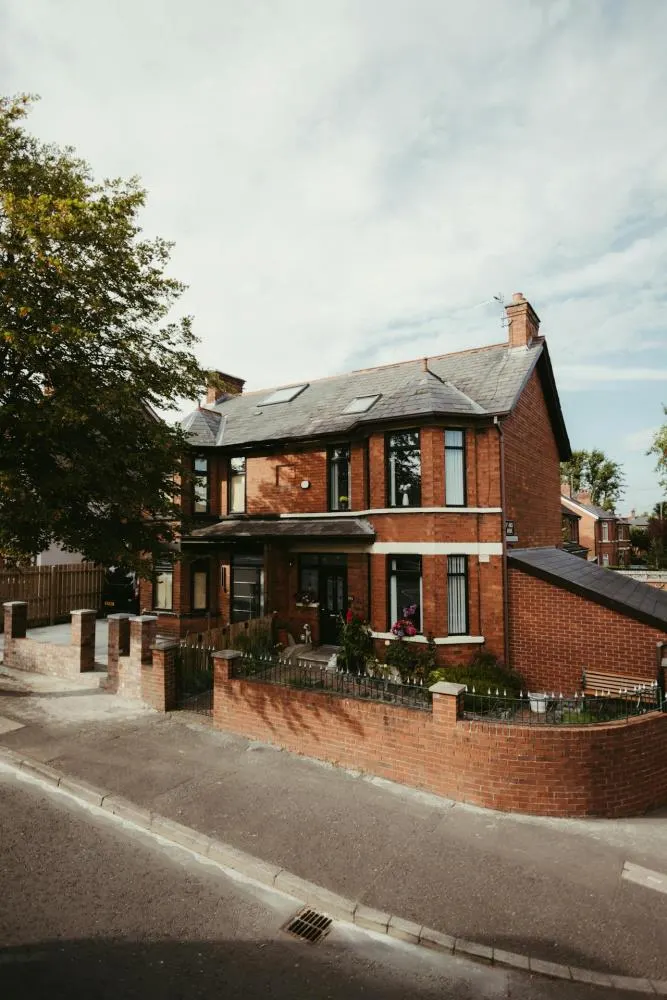
To avoid surprises, it is important to look at homeownership with a clear and realistic perspective.
Maintenance and Repairs
Every home requires regular upkeep. Small tasks like cleaning gutters, servicing heating and cooling systems, or replacing worn-out appliances add up quickly.
And then there are the big-ticket repairs: a leaking roof, a broken water heater, or a cracked foundation.
Unlike renting, where the landlord takes care of these costs, homeowners bear the full responsibility.
Experts often recommend setting aside one to three percent of your home’s value each year for maintenance. For a $250,000 home, that means budgeting $2,500 to $7,500 annually just to keep things in working order.
Property Taxes and Insurance
Another ongoing cost that homeowners must account for is property taxes.
These vary depending on location, but they can easily amount to thousands of dollars each year. On top of that, homeowners insurance is essential for protecting against risks like fire, theft, or natural disasters.
Some areas also require additional coverage, such as flood or earthquake insurance.
Together, these expenses can add hundreds of dollars to monthly housing costs, making the mortgage only part of the financial commitment.
Utilities and Hidden Bills
Owning a home often comes with higher utility costs compared to renting. Larger spaces mean more heating and cooling, while older homes may lack energy-efficient systems, driving up electricity or gas bills.
Water, trash, and sewer fees can also be more expensive for homeowners. In addition, there are hidden bills many people forget to consider—like homeowner association (HOA) fees, pest control, or landscaping services.
These costs may seem small on their own, but collectively, they can put a noticeable dent in a budget.
The Cost of Personalization
Buying a home also sparks the desire to make it your own. Painting walls, updating floors, or upgrading kitchens and bathrooms often feel like natural next steps.
But home improvement projects can quickly escalate in cost. Even modest updates can run into thousands of dollars, and bigger renovations often require financing.
While these investments can increase property value, they also add to the overall financial burden of homeownership if not managed carefully.
Unexpected Life Events
Life has a way of throwing curveballs. Job loss, medical bills, or family changes can all impact a homeowner’s ability to keep up with costs.
Unlike renting, where moving to a cheaper place is an option, selling a home is a complex and sometimes lengthy process. Without a financial cushion, unexpected events can push homeowners into difficult situations.
Planning ahead with an emergency fund provides a safety net and reduces the risk of financial strain.
Long-Term Financial Strain
One of the overlooked costs of homeownership is the way it can tie up resources.
While paying down a mortgage does build equity, that equity is not easily accessible without selling or borrowing against the home. This means less liquidity for other goals, such as retirement savings, education funds, or travel.
For some homeowners, the weight of property-related costs can make it harder to pursue other meaningful opportunities.
Budgeting for Reality, Not Just Dreams
The best way to manage the true costs of owning a home is to create a budget that goes beyond the mortgage. Factor in taxes, insurance, utilities, repairs, and a reserve for emergencies.
This approach allows homeowners to enjoy the stability and pride of ownership without being blindsided by unexpected expenses.
It also provides peace of mind, knowing that the financial foundation is solid enough to handle whatever challenges may arise.
Final Thoughts
Owning a home is a dream for many, but it is a dream that comes with responsibility.
The true costs extend far beyond the mortgage payment and include everything from routine maintenance to surprise repairs and lifestyle upgrades.
Without careful planning, these expenses can strain even the most prepared budgets, sometimes leading to the need for Debt Relief.
By recognizing the full scope of costs and budgeting with intention, homeowners can enjoy the benefits of their investment while maintaining financial health.
In the end, the value of a home is not just in its price tag but in the stability and comfort it provides when managed wisely.