
Have you ever wondered how athletes recover from injuries so quickly? Or how do individuals with chronic pain find relief?
The answer may lie in the power of water.
Aquatic therapy, a form of rehabilitation that takes place in a pool or other marine environment, has been making waves in the healthcare industry. But what exactly is it, and how does it differ from traditional land-based therapies?
From its humble beginnings in ancient civilizations to its modern-day applications, aquatic therapy has evolved into a highly effective tool in the rehabilitation arsenal. Let’s dive in and explore the science behind this innovative approach.
Now, imagine blending the rejuvenating qualities of water with the precision of Corrective Physical Therapy. This union creates a symbiotic relationship that significantly enhances recovery.
Corrective Physical Therapy in an aquatic setting addresses specific musculoskeletal imbalances and injuries by harnessing water’s buoyancy, resistance, and hydrostatic pressure.
This not only eases the strain on injured parts but allows for a playful yet challenging environment for rehabilitation.

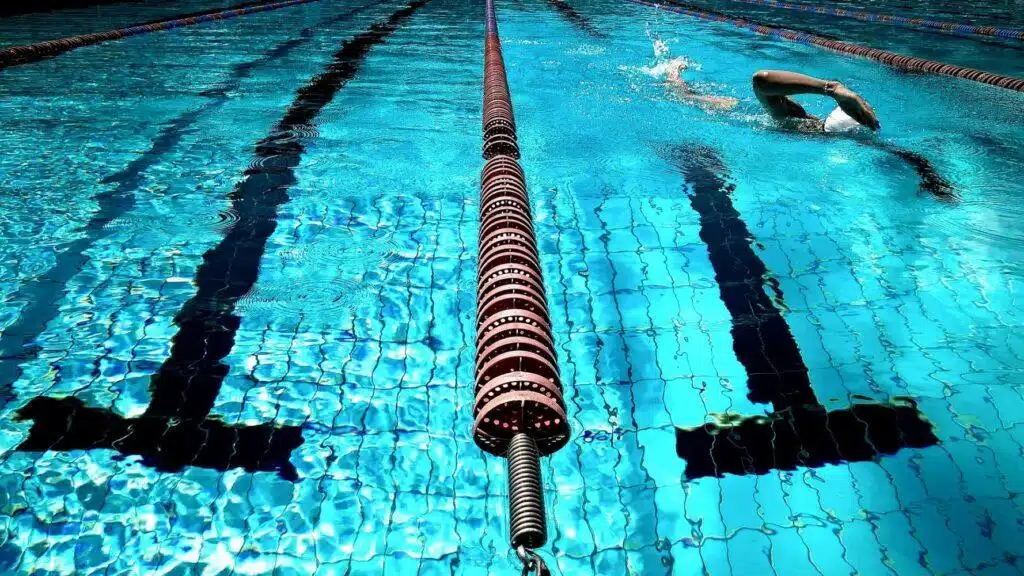
It’s like being a mermaid or a sea creature, moving effortlessly in a space where gravity seems to take a backseat.
Understanding the Science
So, what makes water such a powerful medium for healing? It all comes down to its unique properties.
First, there’s buoyancy. When submerged in water, the body experiences an upward thrust that counteracts gravity, essentially making you feel lighter. This reduces the load on your joints, allowing for greater ease of movement and decreased pain during exercise.
Next, there’s hydrostatic pressure. This is the force water exerts on your body, which increases with depth. It helps reduce swelling and inflammation, improves circulation, and provides gentle resistance for muscle strengthening.
Lastly, there’s viscosity. Water provides a natural resistance to movement, making your muscles work harder without the added stress on your joints.
The warmer water temperatures often used in aquatic therapy can help relax tense muscles and increase flexibility.
Applications in Rehabilitation
Now that we understand the science let’s look at how aquatic therapy is used in practice.
Orthopedic Conditions
From post-operative rehabilitation to sports injuries, aquatic therapy has proven effective in treating various orthopedic conditions. The buoyancy of water allows for early weight-bearing and mobilization, which is crucial for recovery.
For example, after a knee replacement surgery, patients can start walking in the pool much sooner than they could on land.
This early mobilization helps prevent stiffness, improves range of motion, and speeds up healing.
Neurological Conditions
Aquatic therapy is also beneficial for individuals with neurological conditions such as stroke, spinal cord injuries, or Parkinson’s disease.
The water’s supportive environment enhances balance and stability, making it easier to perform exercises that would be challenging on land.
Moreover, the sensory input the water provides can help retrain the brain and improve body awareness, leading to better outcomes in functional mobility.
Chronic Pain
For those suffering from chronic pain conditions like fibromyalgia or arthritis, aquatic therapy offers a low-impact alternative to traditional exercise. The warmth and pressure of the water can help alleviate pain, while the buoyancy allows for greater freedom of movement.
Studies have shown that regular aquatic therapy sessions can lead to significant improvements in pain levels, fatigue, and overall quality of life for individuals with chronic pain.
Advantages Of Traditional Therapies
So, what sets aquatic therapy apart from traditional land-based therapies? Here are a few key advantages:
- Reduced Impact: The buoyancy of water minimizes the impact on joints, making it an ideal option for those with weight-bearing restrictions or pain.
- Faster Recovery: The combination of buoyancy, hydrostatic pressure, and viscosity allows for earlier and more intensive rehabilitation, leading to quicker recovery times.
- Improved Cardiovascular Fitness: Exercising in water provides a cardiovascular workout without the stress on the joints, making it suitable for a broader range of individuals.
- Enhanced Muscle Strength: The natural resistance of water helps build muscle strength, while the support of the water allows for a greater range of motion.
The Future of Aquatic Therapy
As research continues to support the benefits of aquatic therapy, more and more healthcare professionals are incorporating it into their practice.
Advancements in technology, such as underwater treadmills and resistance jets, are making aquatic treatment even more effective and accessible.
Moreover, the growing body of evidence supporting the use of aquatic therapy for a wide range of conditions is leading to increased insurance coverage and reimbursement rates.
Implementing Aquatic Therapy in Practice
If you’re a physical therapist or healthcare professional considering incorporating aquatic therapy into your practice, here are a few tips to get started:
- Educate yourself: Attend workshops, conferences, or certification courses to learn about the latest techniques and best practices in aquatic therapy.
- Invest in the right equipment: Ensure that you have access to a suitable pool or aquatic environment, as well as any necessary equipment such as flotation devices, resistance equipment, or underwater treadmills.
- Start small: Begin by incorporating aquatic therapy into your treatment plans for a select group of patients, and gradually expand as you gain experience and confidence.
- Collaborate with other professionals: Work closely with other healthcare providers, such as physicians or occupational therapists, to ensure a comprehensive and coordinated approach to patient care.