
Key Takeaways
- Wage orders set minimum standards for pay, hours, and working conditions.
- They prevent wage theft and ensure fair compensation through clear rules on overtime and breaks.
- Enforcement includes fines, back pay, and other penalties for violations.
- Strong wage orders benefit workers and create fair competition for employers.
- Regular updates are essential to keep protections effective as workplaces evolve.


Introduction
Across the United States, wage orders serve as foundational tools in labor law, crafted to establish basic standards for wages, hours, and overall working conditions. These regulations, whether at the state or federal level, play a crucial role in ensuring a baseline of fair compensation and safe workplaces for numerous employees. As the labor landscape evolves, so too do these protections—addressing contemporary issues and adapting to new industries. For instance, those working in California may be familiar with the specific requirements outlined in California wage orders?, which illustrate the powerful local reach of these policies.
Wage orders are not arbitrary measures; they are responses to actual workplace conditions and societal demand for justice in the employer-employee relationship. By codifying standards such as minimum wages, overtime entitlements, and mandated breaks, wage orders form the backbone of modern labor protections.
Historical Context of Wage Orders
The origins of wage orders can be traced back to the early 20th century, a time when industrialization led to both economic growth and significant exploitation of workers. Long hours, low pay, and hazardous working conditions were common. Legislation, such as the Davis–Bacon Act of 1931, marked a turning point, mandating that workers on federally funded public works receive prevailing wages. This set a precedent, demonstrating how government intervention could help standardize wages, protect vulnerable workers, and promote fair competition in contracting.
Over the decades, these early interventions laid the groundwork for a detailed patchwork of wage orders, both federally and state-wide, that would address the growing diversity of American industries. Today, lawmakers and courts continue to refine these statutes in response to current social and economic realities.
Key Components of Wage Orders
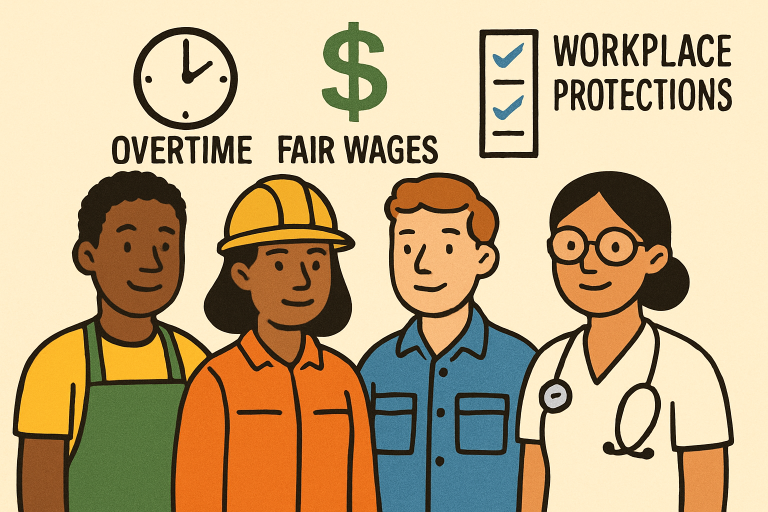
At their core, wage orders serve three main functions, all tied closely to the welfare of American workers:
- Minimum Wage Standards: Setting a legally enforceable lowest hourly wage, wage orders offer a vital economic “floor” to prevent exploitation and support a basic standard of living for workers.
- Overtime Pay Requirements: Wage orders often define how workers are paid for hours worked beyond the standard workweek, usually at a higher “overtime” rate. This discourages worker fatigue and incentivizes proper work scheduling.
- Working Conditions: Many wage orders stipulate safe work environments, adequate meal and rest breaks, limits on working hours, and other job-specific requirements—factors essential for maintaining health and dignity in the workplace.
Role of Wage Orders in Preventing Wage Theft
Wage theft remains pervasive across various sectors, affecting millions of workers annually. It encompasses illegal practices such as unpaid overtime, denial of meal breaks, and paying wages below the legal minimum. Wage orders explicitly define employer duties and worker rights, making it easier for affected parties to seek restitution and for regulators to enforce the law. Over time, aggressive enforcement has proven indispensable in deterring wage theft and promoting accountability.
Enforcement Mechanisms and Worker Protections
The strength of wage orders lies in their practical enforcement. Government bodies, such as the U.S. Department of Labor’s Wage and Hour Division (WHD), are tasked with investigating employer compliance, prosecuting violations, and educating both businesses and employees about their rights and responsibilities. Their investigative powers allow workers to report unethical conditions anonymously, which is pivotal for those fearing retaliation. States with their own wage orders—such as California—often maintain independent wage boards or departments dedicated to enforcing state standards even when federal rules exist.
Penalties for non-compliance can be severe, including fines, mandatory back-pay, revoked licenses, or even criminal charges for willful violations. This comprehensive approach deters misconduct while encouraging voluntary compliance.
Impact on Workers and Employers
Well-constructed wage orders are not just protective; they create stability in the marketplace. For workers, guaranteed minimum standards mean better wages, safer working conditions, and more predictable schedules. For employers, clear regulations can level the playing field by setting uniform rules, thus reducing the risk of costly lawsuits and unfair competition from those cutting corners.
Numerous studies, including research from the Urban Institute, demonstrate that robust labor standards enhance labor force participation, productivity, and overall well-being—proving that these regulations benefit society as a whole.
Challenges and Criticisms
While wage orders are widely credited with improving conditions for millions, they also attract criticism. Some business groups argue that complex, sector-specific rules impose administrative burdens and raise compliance costs, particularly for small businesses. Others worry that overly strict wage policies may reduce job opportunities or stifle innovation. Enforcement remains a challenge, especially in low-wage sectors where labor violations are most rampant, and workers may fear reprisal.
Nevertheless, advocates argue that without these vital protections, vulnerable groups—including women, immigrants, and hourly workers—would face even greater exploitation and economic insecurity. Ongoing review and reform are needed to enhance both the effectiveness and fairness of wage order systems.
Final Thoughts
Wage orders function as guardians of workers’ rights and pillars of fair labor practices. Their enduring relevance is evident in their adaptability to changing economic conditions and evolving workplace realities. Ensuring strong enforcement and responsive updates will remain central to promoting equity, protecting vulnerable workers, and fostering a healthy, sustainable labor market well into the future.