
As educators and school administrators strive to be accountable for the results of their efforts, they look for new ways to improve student achievement. And in many cases, transportation services play a critical role in that development.
First and foremost, it provides students with access to education services such as early-childhood education programs and after-school tutoring.

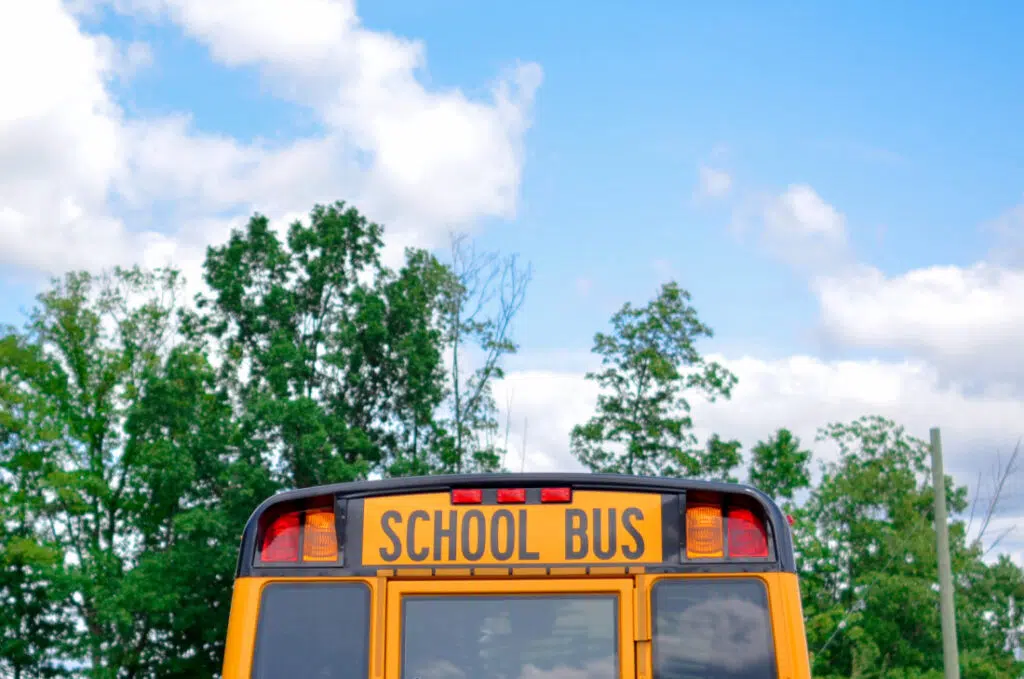
But it also plays a key role in assessing student achievement through sophisticated data-driven technology.
Here are some emerging trends in student transportation services:
1. Innovative Transportation Technology
As student transportation services embrace new technology, they leverage innovative tools to improve safety, operations, and student outcomes.
In many cases, these services find ways to combine the right technology with emerging business models to provide safe transportation solutions at a lower cost.
2. Shifting Roles and Responsibilities
With new demands comes a need for transportation services to adjust their job descriptions to meet the challenges of today’s education environment.
Changes are occurring regarding the roles and responsibilities of school transportation drivers, who are now responsible for more complex tasks, including monitoring students on special education buses or using GPS technology to track students on field trips.
3. Service Integration with Education Technology
The integration of student transportation services with existing education technology is becoming part of teaching students.
That trend will only accelerate in the future, which predicts more customized learning options. Student transportation services will have to adapt to how schools evolve to keep pace.
4. New Approaches to Safety Management
As safety concerns continue to be a priority for school districts, integrating driver-safety management practices creates more opportunities to provide safe transportation services.
By partnering with technology companies, student transportation service providers find ways to strengthen safety from behind the wheel back to central dispatch centers.
5. Data Analytics Driving Improved Operations and Outcomes
Technology will be more central to student transportation services like Zum as new ways to use data analytics to improve operations and student outcomes.
Tracking vehicle usage patterns can lead school districts to look more closely at what types of transportation are needed daily, which has the potential of saving money over time by reducing unnecessary service costs.
6. New Funding Models for Transportation
School transportation services are always looking for new ways to improve the way money is raised to provide cleaner, greener vehicles. Innovations are emerging that link student transportation services with other school-related activities such as after-school sports programs or early-childhood education initiatives, adding a revenue stream that can help pay for operations.
7. Driver Shortages and Turnover Continue to Challenge the Industry
Concerns about driver shortages are nothing new, but student transportation services are finding that the situation intensifies as more drivers reach retirement age without enough younger workers entering the field.
Furthermore, there’s a lack of vehicle availability because many districts have not bought new buses in decades and don’t have the money to buy new ones.
8. Who’s Driving the Bus? Exploring New Roles for Operators
Technology is also creating opportunities for operators to play a different role in student transportation services, such as helping with the actual driving of buses and making decisions about whether or not students should be transported on any given day.
9. Technology is Transforming Bus Fleet Design
Vehicle designers understand that technology plays a central role in student transportation services and are adapting their products to include flat-floor interiors, ergonomically correct seating, LED lighting, and 3D mapping while also reducing emissions, all key elements toward attracting new drivers while providing safer bus travel.
Student transportation services face considerable challenges to keep pace with the way schools and cities are evolving.
Those that implement cost-saving measures such as reducing unnecessary routes, embracing new technologies, and identifying market opportunities to create revenue streams will be positioned for success in the future.