
Death is an inevitable event that touches everyone at some point in their lives, followed by funeral and burial rituals.
Each religion, however, has its particular approach to dealing with it.
In Buddhism, the religion of Buddha, death is simply a transition from one life to another, a reincarnation.
They believe in Samsara—the never-ending birth, death, and rebirth cycle.
They also believe that the body is merely a vessel and that death is nothing more than the liberation of the spirit and the cessation of pain, known as nirvana.
The Buddha thinks of it as their supreme goal as it frees them from all temporal desires.

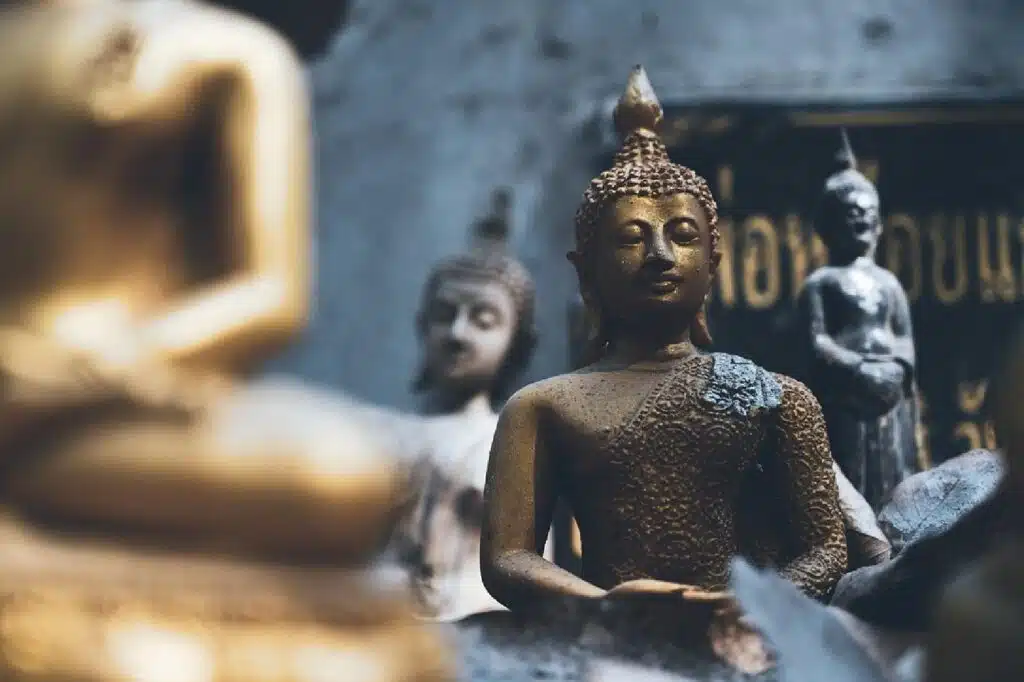
Buddhist Burial Process
When it comes to the funeral and burial process, like any other religious tradition, Buddhism also has established guidelines for everything to carry out.
A proper Buddhist funeral ritual protocol goes through many steps and stages, executed with dignity and respect to ensure that the departed loved one is put to rest appropriately.
There are many buddhist funeral services as well. However, we recommend the Memorial Funeral; they ensure that the entire funeral procession and ceremony are performed per Buddhist beliefs, Chinese tradition, and culture.
They also take care of the specific requirements and preferences of the bereaved family.
Here is a brief overview of the Buddhist burial process and how it’s done right.
Finding a Location and Carrying Out Wake
The first step is to locate the ideal location for the funeral ceremony and wake—a ritual of showing respect and condolences to the deceased’s family.
It could be a family gathering place, a temple, or even the deceased’s home. It only needs to be calm and peaceful. Then, it’s ideal for getting a suitable size casket to lay the dead body.
In front of the casket, set up an altar with a portrait of the departed soul. You can also place flowers, fruits, incense, and candles on the altar as offerings.
Monks should be invited to direct the ceremony by reading and preaching appropriate Buddhist sermons and leading chants or sutras.
Aside from that, it’s better to display the bouquets, wreaths, and banners brought by friends and family in the funeral hall in a modest manner. It’s also a tradition to place Buddha’s image in front of or next to the deceased person’s altar.
The visitors can then express their condolences to the family before bowing at the casket to pay their respects.
Funeral Decorum and Etiquette
It is necessary to follow the proper etiquette when attending a Buddhist funeral. It covers etiquette, demeanor, and dress code.
It is important to dress modestly, avoiding colorful or flashy clothing. Black or white clothing is preferred instead.
It is better to avoid wearing clothes too casually, such as jeans or t-shirts. Following that, it is critical to be aware of your demeanor.
It’s best to be calm, composed, and respectful and refrain from being too boisterous or loud. Funerals are solemn occasions, and your behavior should reflect that.
Also, remember to avoid stepping over the body of the deceased. You should also avoid taking pictures during the funeral service.
By following these tips, you can show respect for the deceased and their family during a difficult time.
Procession of Funeral
When it comes to the Buddhist burial process, the procession is an essential part of the ritual. A monk or a group of monks who offer a variety of sutras usually lead each funeral ceremony.
It usually begins at the deceased’s home or the location of the wake. It proceeds to the cremation ground or graveyard. The procession should be quiet and organized.
Typically, family members walk behind the hearse to send off the deceased.
Participants of the congregation are encouraged to reflect on the impermanence of life and consider the cycle of life and rebirth in light of the Buddha’s teachings.
Cremation Or Burial Process
The Buddhist burial process is a critical ritual that should be performed to ensure the deceased has a peaceful transition into the afterlife.
The first step is to bathe the body of the departed with holy water, purifying it and preparing it for cremation or burial.
The following step is to wrap the body in a white cloth. This cloth represents purity and chastity and helps to keep the body from deteriorating.
After the wrapping, it is placed on a funeral pyre or in a coffin. The funeral pyre is then lit, and the body is cremated.
The ashes are then gathered and placed in an urn or buried in a cemetery. It should be remembered that the body should be cremated within 24 hours of death.
At times, the family chooses to bury their loved ones. In that case, the body will be placed in a coffin and buried in a cemetery. It is necessary to select a burial place that is peaceful and serene, as this will provide the best environment for the departed soul.
The decision between cremation and burial is entirely personal, and the whole process of the funeral takes about 45 to 60 minutes to complete.
Offering Final Tribute
As anyone who has been through the process knows, losing a beloved is never easy. In addition to the emotional toll, there is also the task of giving the deceased a proper send-off.
For those who follow the Buddhist faith, this usually takes the form of a traditional burial.
While the specifics of the Buddhist burial process can vary depending on region and sect, there are some general guidelines that all Buddhists should follow.
The ashes should then be buried in a cemetery or other consecrated ground. A simple memorial service should be held at the gravesite, which typically includes chanting and offering prayers.
After the service, it is customary to offer food and drink to the monks or nuns in attendance as a final tribute to the deceased.
Mourning Duration
The mourning period depends on the traditions of the Buddhist sect or school and the circumstances of the families.
Many people go through more intense mourning, in which prayers and chants are performed at home.
Many religious traditions hold such services on the 7th, 49th, and 100th days.
Households in mourning proceed to refrain from celebrating for 100 days. After that, they hold a celebration to commemorate the individual’s successful transition into their new life.
In Buddhism, it’s a virtue to visit and extend comfort to those in mourning.
Conclusion
The Buddhist burial process is very involved and necessitates great care and attention. While it may appear to be a lot of work, it’s important to follow all the instructions for the process.
Be mindful that this passage is crucial for departed souls to ensure their peace.