
Fruit trees can be a real treat for any garden.

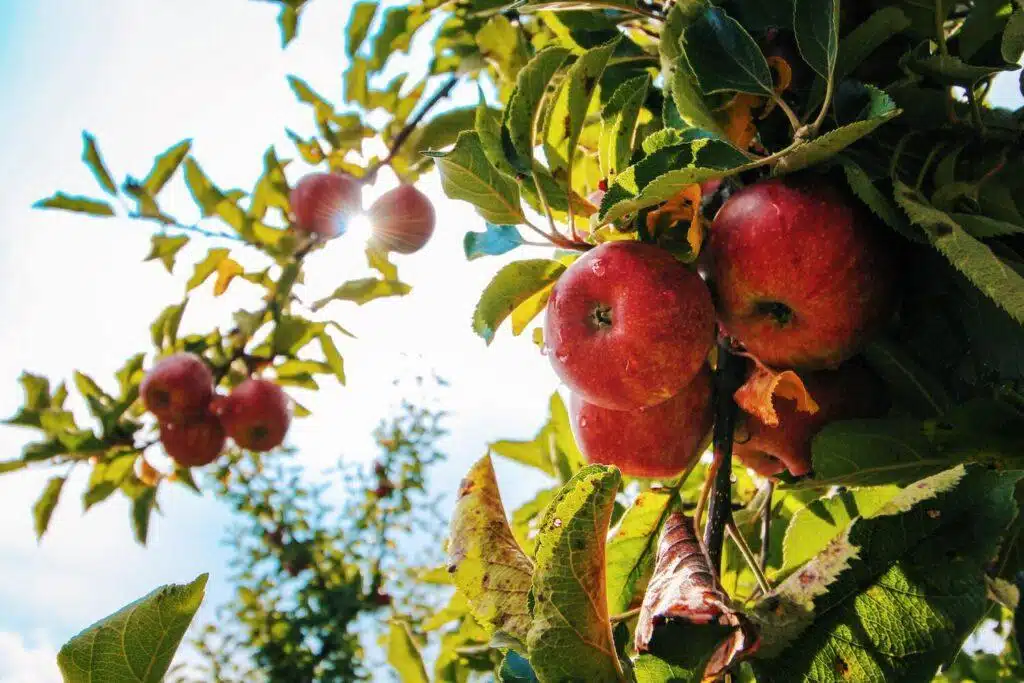
Imagine walking outside and picking fresh apples, peaches, or even grafted persimmon trees! But, if you’re new to this, taking care of these trees can feel like a puzzle.
Don’t worry! With some simple steps, you’ll have juicy fruits in no time. Let’s jump in!
Pruning and Training Fruit Trees

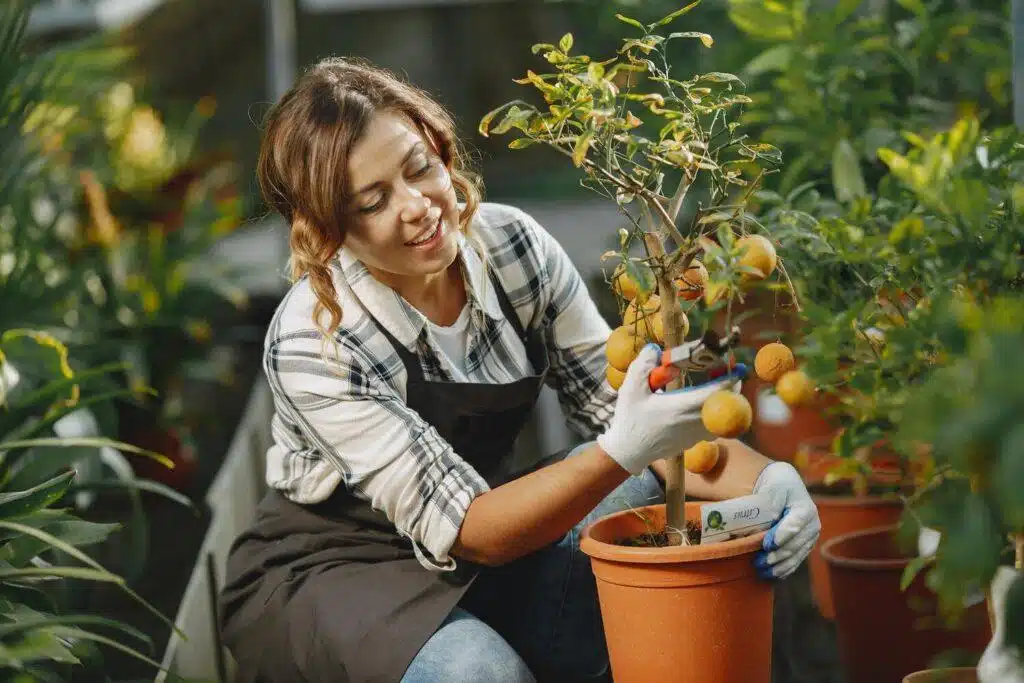
Importance of Pruning for Tree Health and Productivity
Imagine your hair getting too long and messy. It gets hard to manage, right? Trees feel the same way. Pruning means cutting off extra branches.
This helps the tree grow healthy and make more fruits. Trees need good air and sunlight. When you prune, you give them more space to breathe and soak up the sun.
Understanding Different Pruning Techniques
Not all snips are the same! There are different ways to prune. “Thinning” means taking out whole branches to let in light and air.
“Heading back” means cutting off the ends of branches. This helps the tree grow thicker. Always make sure to use clean and sharp tools. And remember, pruning is best during late winter when trees are asleep.
Training Young Trees for Optimal Growth and Shape
Think of training like teaching a young tree how to grow up strong. Young trees need help to grow in a good shape. Use stakes and ties to guide them.
This will help them handle the weight of the fruits later on.
Pruning Mature Trees for Fruit Production
Older trees need love too! Pruning mature trees helps them keep making yummy fruits. Cut away dead or sick branches first. And don’t be scared to remove some healthy branches too.
This gives the remaining ones more resources to make fruits.
Fertilizing Fruit Trees

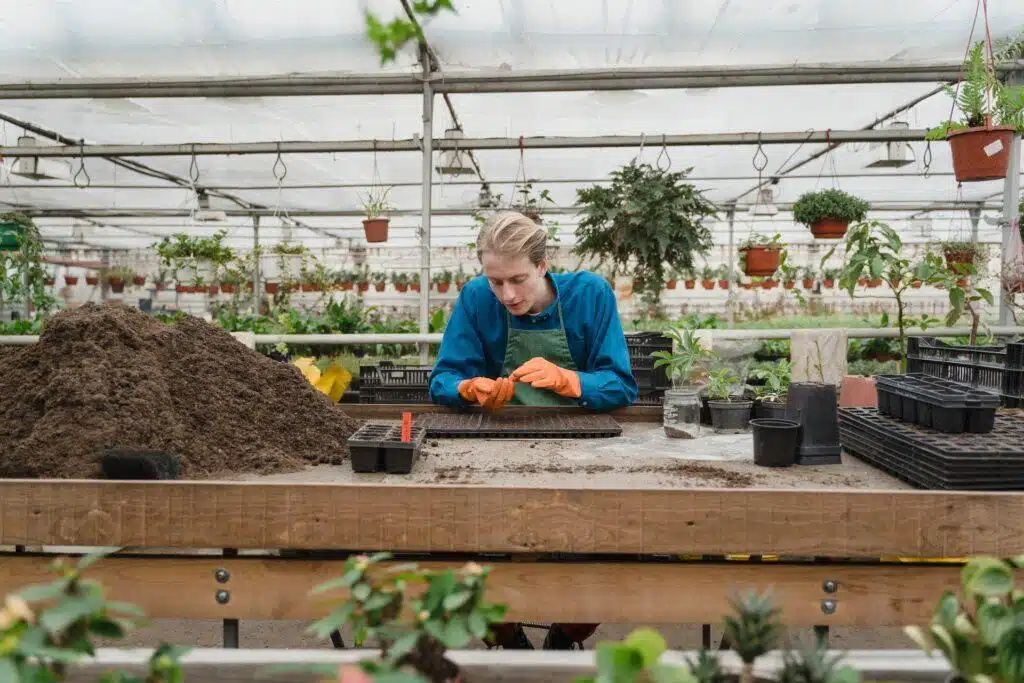
Understanding the Nutrient Requirements of Fruit Trees
Trees need food to grow. They get this from the soil. But sometimes, the soil doesn’t have enough goodies. That’s where fertilizers come in. They are like vitamin pills for trees!
Soil Testing and Analysis
Before you feed your tree, know what it’s hungry for. A soil test shows what nutrients the soil has or needs. You can buy a test kit or ask a local expert for help.
Choosing the Right Fertilizers and Application Methods
Now, let’s pick the tree’s meal! Fertilizers have three main nutrients: nitrogen, phosphorus, and potassium. Young trees need more nitrogen for growth.
Fruit-bearing trees need phosphorus and potassium for juicy fruits. Follow the instructions on the fertilizer bag. And remember, don’t overfeed!
Organic and Natural Fertilization Options
Organic fertilizers are like homemade meals for your tree. They come from natural sources like manure or compost. They are gentler than chemical fertilizers and are good for the earth.
Watering and Irrigation

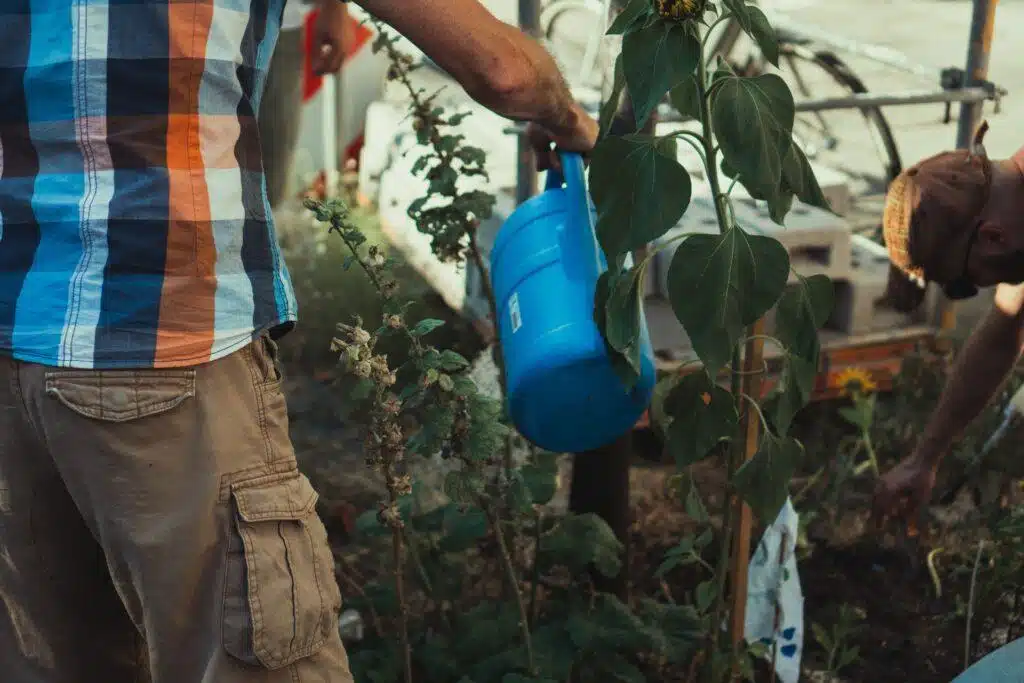
- Importance of Proper Watering for Fruit Tree Health: Water is like a magic potion for trees. It helps them stay fresh and make food. But too much or too little can be bad.
- Determining Watering Needs Based on Tree Age and Weather Conditions: Young trees need more water than older ones. Also, on hot days, trees might need extra drinks. But on cold or rainy days, not so much.
- Choosing Appropriate Irrigation Methods: There are cool tools to water your trees. Soaker hoses and drip systems are great. They slowly give water right to the tree’s roots.
- Watering Schedules and Tips for Efficient Water Usage: Watering early in the morning or late afternoon is best. This way, less water is lost to the hot sun. And remember, it’s better to give a good soak less often than a little sprinkle every day.
Pest and Disease Management
- Identifying Common Fruit Tree Pests and Diseases: Uh-oh, bugs and icky spots on your tree? Those could be pests or diseases. Learn about the common ones in your area so you can spot them.
- Preventative Measures for Pest and Disease Control: Keep your tree happy and it’ll fight off bugs and sickness better. Also, clean up fallen leaves and fruits. They can hide nasty critters.
- Organic and Chemical Options for Pest and Disease Management: For bugs, sometimes ladybugs or birds can help. These are natural options. But sometimes, you might need to use sprays. There are chemical and natural sprays. Choose wisely.
- Monitoring and Early Detection of Problems: Keep an eye on your tree. The sooner you see a problem, the easier it is to fix.
Harvesting and Fruit Tree Maintenance
- Knowing When and How to Harvest Fruit: The best part – picking your fruits! They should be easy to pluck and taste just right. Some fruits ripen even after they are picked.
- Proper Storage and Handling of Harvested Fruit: Handle your fruits like treasures. Keep them cool and don’t squish them. Some fruits, like apples, can last a long time if stored right.
- Year-Round Maintenance Tasks: Your tree needs you all year. Prune in winter, feed in spring, water in summer, and clean up in fall.
- Winter Protection Techniques for Cold Climates: Brrr, winter can be rough for trees. Wrap their trunks and mulch the roots to keep them cozy.
Key Takeaways
So, now you’re on your way to be a fruit tree champ! Remember, your tree needs the right cuts, food, drinks, and care to keep bugs and sickness away.
And when the fruits come, enjoy them because you’ve earned it!