
Brain injuries can be life-altering, affecting everything from memory and cognition to physical abilities and emotional well-being.
Understanding the symptoms and complications of a brain injury is crucial for awareness, prevention, and proper treatment.
Here are the four primary types of brain injuries you should know about.

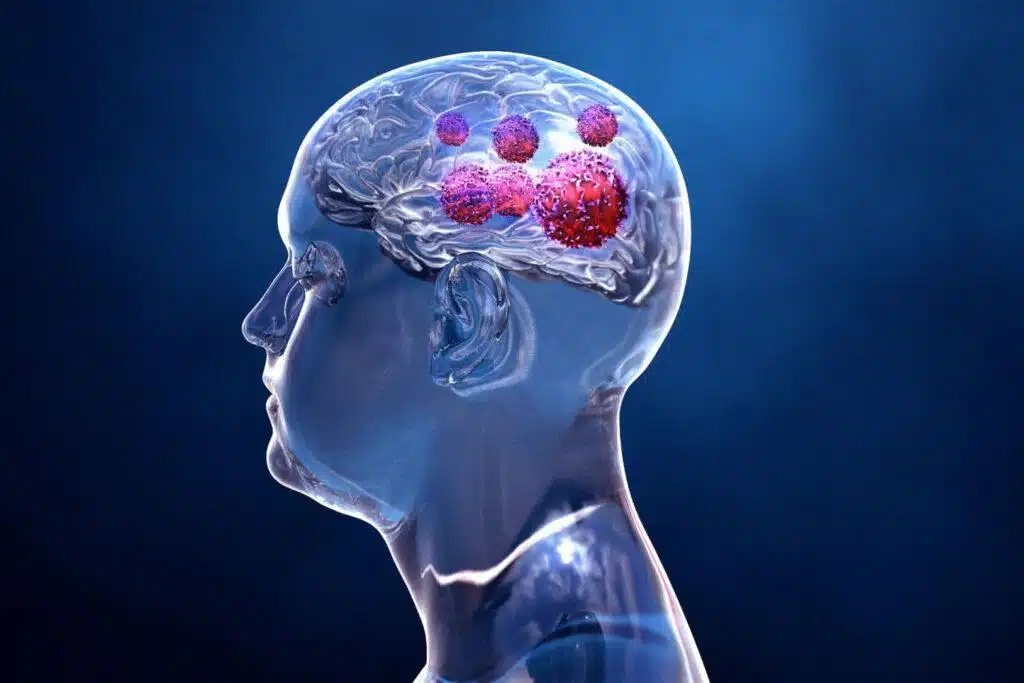
1. Concussions
A mild traumatic brain injury (TBI), known as a concussion, is brought on by a blow, bump, or shock to the head or by a body strike that causes the head and brain to move quickly back and forth.
An estimated 42 million people worldwide get concussions or mild traumatic brain injuries (MTBI) each year.
Concussion symptoms could be mild and take time to manifest. These consist of light or noise sensitivity, headache, nausea, dizziness, and confusion, as well as balance issues and blurred vision. Cognitive symptoms include difficulty concentrating and memory problems.
Common causes include sports injuries, falls, motor vehicle accidents, and physical assaults. Even mild bumps can cause significant damage if repeated over time.
Treatment primarily involves rest and a gradual return to activities under medical supervision. Cognitive rest, which consists of limiting activities that require thinking and mental concentration, is also essential.
Using proper protective equipment during sports, ensuring home and workplace safety to prevent falls, and wearing seatbelts can reduce the risk of concussions. Know that if your concussion was a result of negligence, you can take legal action with the help of a traumatic brain injury lawyer.
2. Contusions
A cerebral contusion is a bruise that develops on the brain tissue as a direct result of a blow to the head. The brain may expand and bleed as a result of this kind of injury.
Depending on the extent and location of the contusion, symptoms could include headaches, lightheadedness, disorientation, sleepiness, and impaired motor or cognitive function. Severe contusions can lead to unconsciousness or more profound neurological deficits.
Contusions typically result from significant impacts such as car accidents, falls, or blows to the head in sports or physical altercations.
Mild contusions may only require monitoring and rest. At the same time, more severe cases can necessitate medications to manage swelling and seizures and, in some instances, surgery to relieve pressure on the brain.
Like concussions, preventing contusions involves wearing protective gear, ensuring safe environments, and practicing safe driving habits.
3. Penetrating Injuries
When a projectile, like a bullet, knife, or a piece of sharp metal, penetrates the skull and reaches the brain tissue, it causes penetrating brain injuries. Usually affecting only a small portion of the brain, these lesions are localized.
The location and degree of the damage will determine the symptoms, which can include profound cognitive, sensory, and motor deficits as well as severe headaches, seizures, and loss of consciousness. These injuries often lead to permanent neurological impairments.
Common causes include gunshot wounds, stabbings, and industrial or construction accidents where sharp objects are involved.
It is imperative to have emergency care right away, which usually entails surgery to remove the foreign object and fix any damage. Long-term rehabilitation is often necessary, focusing on physical, cognitive, and occupational therapy to recover as much function as possible.
Preventive measures include using safety protocols in high-risk occupations, firearm safety, and avoiding violent situations.
4. Anoxic Brain Injuries
When the brain is oxygen-deprived for an extended period of time, cell death results in anoxic brain damage. Significant harm can be done even after a few minutes without oxygen.
Memory loss, trouble with motor coordination, disorientation, poor judgment, and, in extreme situations, coma or death, are among the symptoms, which vary in severity.
Causes include cardiac arrest, suffocation, drowning, stroke, or severe asthma attacks. Anything that drastically lowers the amount of oxygen getting to the brain can lead to anoxic injury.
Treatment focuses on restoring oxygen supply as quickly as possible, followed by managing the underlying cause.
Rehabilitation efforts include physical, occupational, and speech therapy to address the cognitive and physical impairments resulting from the injury.
Preventing anoxic brain injuries involves managing risk factors for heart disease, ensuring safety around water to prevent drowning, and educating about the dangers of suffocation and respiratory failure.
Final Thoughts
Understanding the types of brain injuries is essential for recognizing symptoms, seeking timely treatment, and implementing preventive measures.
Whether it’s a mild concussion from a fall or a severe anoxic injury from a cardiac arrest, each type of brain injury carries significant risks and potential long-term consequences.
Promoting awareness and safety can help reduce the incidence and impact of these injuries, improving outcomes for those affected.