
The magic of Christmas is woven with countless symbols, from sparkling trees to stockings by the fire. But have you ever wondered where these cherished traditions originated?
Each symbol tells a story—some rooted in ancient customs, others in surprising historical events. These backstories are filled with unexpected twists and fascinating details, giving new meaning to the holiday icons we love.
Let’s unwrap the surprising origins of 20 Christmas symbols that make the season so special.
Christmas Trees

The Christmas tree tradition began in Germany during the 16th century, when devout Christians brought decorated trees into their homes. Some say Martin Luther, the Protestant reformer, was the first to add lighted candles to a tree.
He was inspired by the brilliance of stars twinkling through evergreen trees one winter night. Today’s sparkling lights are a nod to his enchanting vision.
Santa Claus

Santa Claus is inspired by St. Nicholas, a 4th-century bishop from Myra (modern-day Turkey). Known for his generosity, he secretly gave gifts to those in need, including placing gold coins in stockings hung by the fireplace.
Over time, his story merged with folklore, transforming him into the jolly figure we know today, thanks largely to 19th-century literature and Coca-Cola advertisements.
Like Kelly’s thoughts on things? Follow us on MSN.
Christmas Stockings

The tradition of hanging stockings by the fireplace also comes from the tale of St. Nicholas. Legend says he tossed gold coins into the stockings of three poor sisters, which were hung to dry by the fire.
The act saved them from destitution, turning stockings into a symbol of generosity and hope.
Candy Canes

Candy canes were originally created in the 17th century by a German choirmaster who wanted to keep children quiet during church services. He shaped the candy into a shepherd’s crook to remind them of the shepherds who visited baby Jesus.
Their red and white stripes symbolize Christ’s purity and sacrifice.
Wreaths

Wreaths were used in ancient Rome during Saturnalia, a winter festival, as symbols of victory and eternal life. Early Christians adapted the tradition, using evergreen wreaths to represent everlasting life and the circular shape as a reminder of God’s infinite love.
Like Kelly’s thoughts on things? Follow us on MSN.
Poinsettias

The poinsettia, known as the “Christmas flower,” comes from Mexico. According to legend, a poor child placed weeds on a church altar, which miraculously bloomed into the vibrant red flowers.
Their star-shaped leaves are said to symbolize the Star of Bethlehem, making them a beloved holiday decoration.
Mistletoe

Mistletoe has roots in ancient Norse mythology, where it symbolized peace and love. Warriors would lay down their weapons if they encountered mistletoe in the forest.
This tradition evolved into the custom of kissing beneath it, spreading goodwill and romance during the holidays.
Christmas Lights

The idea of illuminating homes during Christmas traces back to candles placed in windows as a symbol of welcoming travelers and guiding spirits. Thomas Edison’s invention of electric lights in the 1880s transformed the practice, creating the dazzling displays we enjoy today.
Like Kelly’s thoughts on things? Follow us on MSN.
Gingerbread Houses

The tradition of building gingerbread houses started in Germany in the 16th century, gaining popularity after the Brothers Grimm published Hansel and Gretel. The story of a house made entirely of candy captured imaginations, and the confectionery creations became a festive holiday activity.
The Star of Bethlehem
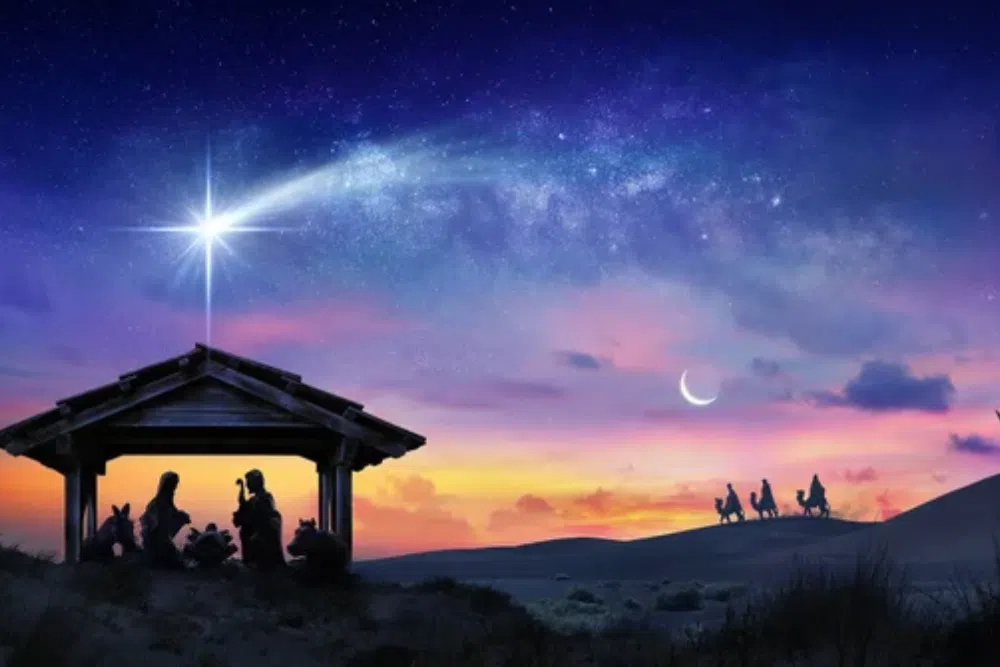
The Star of Bethlehem, which guided the Wise Men to baby Jesus, is a symbol of divine guidance and hope. Some believe it was a rare astronomical event, such as a conjunction of planets or a comet.
Its appearance in nativity scenes continues to inspire wonder.
Bells

Bells have been associated with Christmas since the Middle Ages, used to ward off evil spirits and announce joyous occasions. Church bells ringing on Christmas Eve became a tradition to celebrate the birth of Christ, symbolizing peace and harmony.
Like Kelly’s thoughts on things? Follow us on MSN.
The Yule Log

The Yule log dates back to pagan winter solstice celebrations, where burning a log symbolized the sun’s return. Early Christians adopted the tradition, turning it into a Christmas Eve ritual.
The log represents warmth, light, and hope during the darkest days of the year.
Ornaments

The practice of decorating trees with ornaments began in Germany, where fruits, nuts, and candles were used to symbolize abundance. Glassblowers later crafted delicate baubles, and in the 1800s, Queen Victoria popularized the tradition with her elaborately adorned Christmas tree.
Christmas Cards

The first commercial Christmas cards appeared in 1843, designed by Sir Henry Cole in England. Featuring scenes of family gatherings and festive cheer, they quickly became a way to spread holiday goodwill and maintain connections with loved ones.
Like Kelly’s thoughts on things? Follow us on MSN.
Snow Globes

Snow globes originated in 19th-century France as paperweights. Their serene, wintry scenes captured imaginations, turning them into cherished holiday collectibles.
They symbolize the magic and nostalgia of Christmas, contained in a miniature world.
Nutcrackers
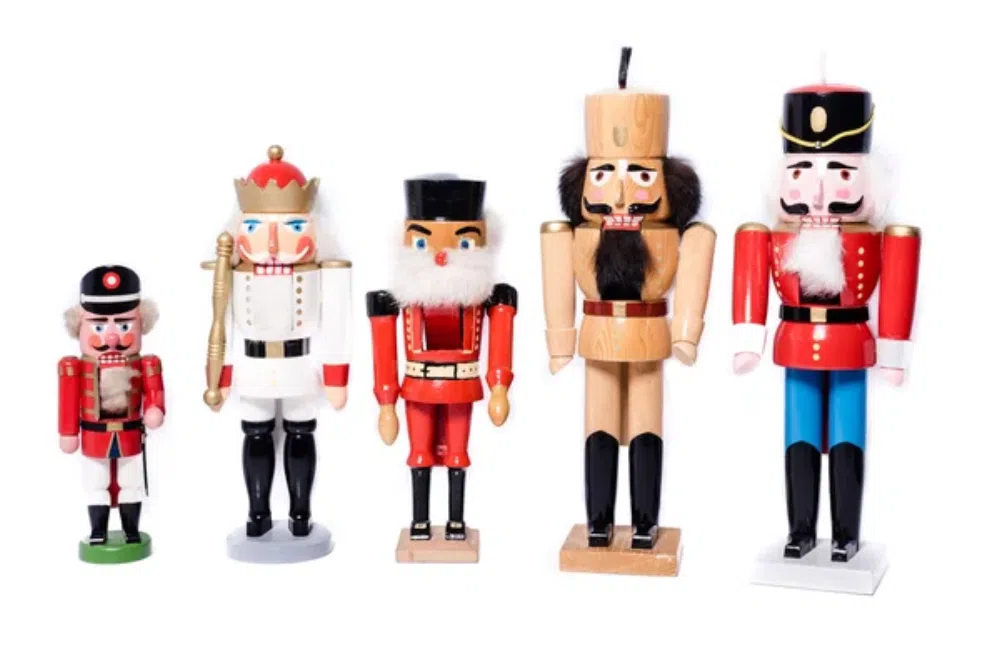
Nutcrackers originated in Germany as functional tools and decorative figures. Legend has it that they were given as symbols of protection and strength.
Their association with Christmas grew after the popularity of Tchaikovsky’s The Nutcracker ballet.
The Christmas Feast

The tradition of a lavish Christmas meal has roots in medieval England, where the nobility celebrated with roasted meats, puddings, and spiced wines. Over time, these feasts became family-centered, symbolizing gratitude and togetherness.
Like Kelly’s thoughts on things? Follow us on MSN.
Elves

Santa’s elves were popularized in 19th-century American poems and stories, depicting them as helpers in his workshop. They symbolize the magic of Christmas and the joy of giving, with their cheerful presence adding whimsy to the season.
The Colors Red and Green

Red and green became Christmas colors through ancient pagan traditions. Red symbolized the holly berry, believed to ward off evil, while green represented the evergreen plants that thrived in winter.
Christianity embraced these hues to signify Christ’s sacrifice and eternal life.
More From Kelly’s Thoughts On Things

- 7 Hamburger Restaurants That Aren’t Worth The Money
- Not Collectible: 7 Debts That Are No Longer Collectible
- 4 Grocery Chains in Danger of Going Out of Business
- 5 Fast-Food Chains That Are Struggling to Keep Doors Open
- 7 Vehicles Being Discontinued in 2025
Like Kelly’s thoughts on things? Follow us on MSN.