
Home emergencies are never fun. It’s counterproductive to panic and worry when you have something that needs dealing with. Try to remain in the moment, as challenging as it might be.
Knowing the next step is the best way to prepare, so it’s vital to have a plan in place.
Study examples of home emergencies and learn what to do. From there, you can ensure your family remains safe and decide what to do next to save your home.

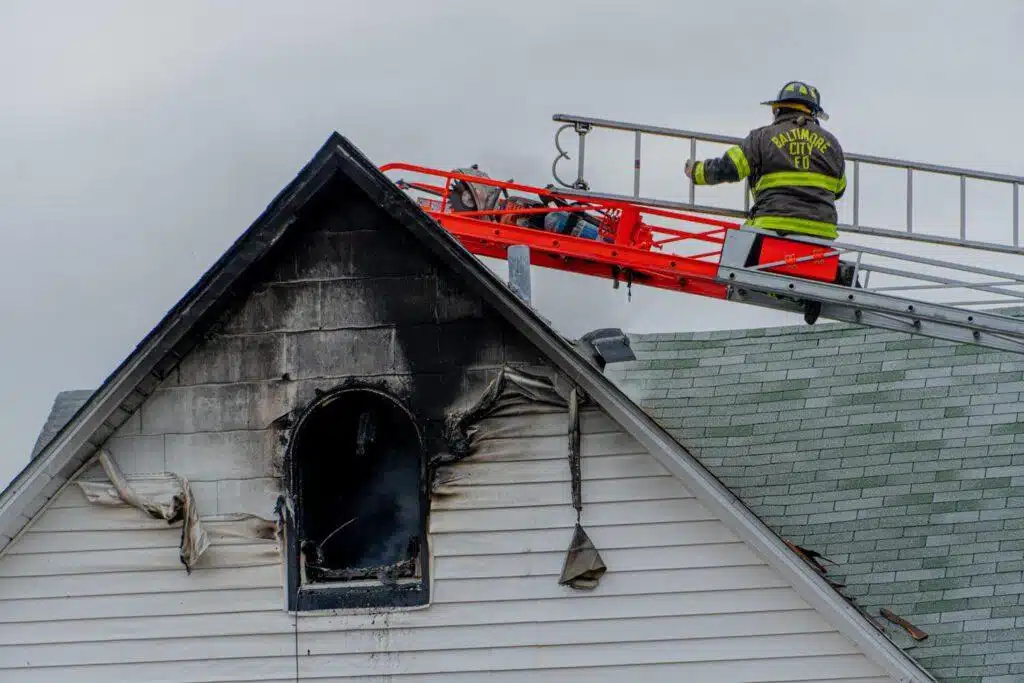
1. Fire of Any Size
Small fires are typically due to human error and contained in a single room, like a grease fire on the stove while you’re cooking. You could deal with it on your own as long as you know how to smother it. Generously pour baking soda on a grease fire to snuff it out.
You may also use a metal lid for a pot or pan that’s on fire — as long as it can keep oxygen from leaking in.
Sometimes, fires are a little too big for you to deal with on your own.
Evacuate your family if it’s spread to multiple rooms, and ensure nobody goes back in as you contact the authorities. Around 77% of fire deaths are attributed to residential buildings.
Your entire family should understand any evacuation plans you create. Everyone in your household should have a point to meet up.
Additionally, ensure your smoke detectors have working batteries. Smoke detectors should be changed every 10 years, while batteries should be switched once every 12 months.
2. Mold Growth
You’ve probably seen mold in your home before. It might not seem like a big deal, but spores can harm your health. People who are sensitive to mold may display allergy-like symptoms and others may start to feel physically ill.
Individuals with weakened immune systems are the most at risk when exposed to mold, so you must deal with it immediately.
A vent can help dry spaces out in the short term, like after someone has showered and the bathroom is foggy. However, mold a vent or fan can’t reach can compromise your quality of life. Mold in your AC unit can make you show signs of allergies out of nowhere.
Make a plan if you notice discolored spots or a foul odor near your vent. Though mold doesn’t spread as fast as fire or water, it can be just as life-threatening.
Switch off your HVAC system immediately to stop further spread and call a professional.
3. Water Damage
Water damage can quickly lead to structural instability or mold inside your house, so you should deal with it immediately. It can come from several sources, so watch out for signs of a burst pipe or flooding in your basement.
You’ll likely need a professional to help you with a burst pipe, but you can patch up a small leak until you find a more permanent solution.
However, flooding can be too dangerous to deal with on your own. Floodwaters can contain waste or hazardous materials. Call a professional and wait for your utility company to turn off your electricity and gas.
Once the water has receded or been dealt with, you’ll need to thoroughly disinfect or throw out anything contaminated.
4. Power Outage
Power outages often go hand-in-hand with other disasters. For example, the winter storm Uri passed through Texas in February 2021, leaving around 4.5 million people without power and in life-threatening conditions.
You must make a plan for however many days you think you’ll be without power as soon as you expect inclement weather. Gather battery-powered flashlights or candles and matches.
Stock your pantry with canned goods in case you can’t access your stove or fridge.
Dress according to the weather. Dress in layers like sweaters and jackets if it’s cold outside.
Conversely, ensure you can cool yourself down in extreme heat, like shading yourself from the sun or using a fan to regulate your temperature.
The Best Ways to Stay Prepared for an Emergency
Planning is one of the best ways to prepare your household for emergencies. Here are some things to have ready, regardless of what each emergency entails.


1. Have a Plan
A plan is a major part of ensuring everyone is safe, no matter what happens in your home. It should be simple enough for every household member to understand yet detailed enough to address any questions.
Your standard emergency plan might include things like:
- Leave the house as soon as possible
- Try a certain exit first, then windows if necessary
- Stay at a predetermined spot in the yard or in front of the building
- Signal that you’re trapped inside
- Don’t go back inside once you’re out
The plan will help your family feel safer and more confident, allowing them to leave the house without issues.
If you can’t evacuate your pets immediately, training them to stay in a confined area, like a crate or bedroom, can help first responders locate them quickly.
2. Update Everyone and Set House Rules
Everyone should know your house rules. Household boundaries can help ensure people’s safety. For example, you should always tell babysitters your child’s routine and what to avoid.
That way, they can make proper mealtime choices when feeding your kids to prevent allergic reactions.
Run through the standard evacuation procedure with guests, ensuring they know where the exits are.
3. Run Through Drills
An established evacuation plan is only good if people know how to use it.
Execute practice drills that can be a fun roleplaying experience for your kids and teach them how to get out of the home quickly and effectively. You can also teach them how to patch up simple wounds or communicate with authorities.
Be Prepared for the Worst, but Hope for the Best
You don’t have to be pessimistic to be prepared for disaster.
Even if you think something won’t happen, it’s always better to expect the worst, just in case.
Every situation requires a unique approach, and being ready for an emergency can eliminate confusion and worries regarding others’ safety.