
If you haven’t noticed, flooding happens far more regularly these days.
And we are not as ready as we need to be.
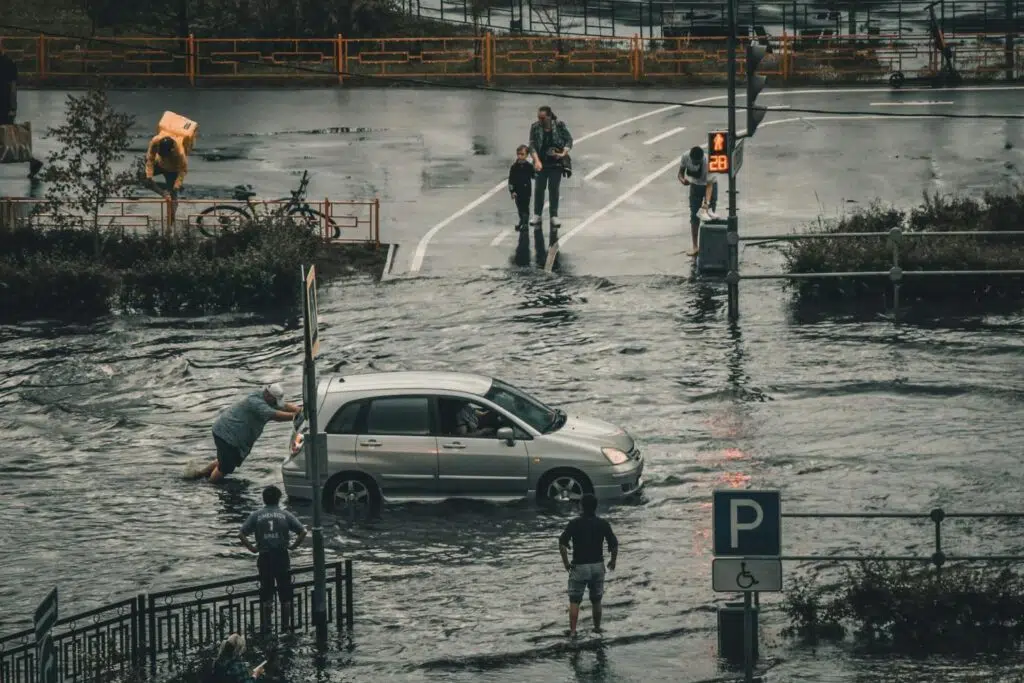
You might not think about it until a flash flood turns your morning commute into an adventure, but aging sewers, outdated drainage systems, and clogged waterways leave many Queens neighborhoods vulnerable to these quick-moving floods.
And while flash floods are inconvenient at best, they can become genuinely dangerous at worst, especially when water mixes with busy city streets.

Why Floods Happen So Fast Here
Queens’ flooding problem isn’t new—it’s more of a “slowly growing annoyance” that suddenly becomes urgent whenever the skies open up. Many areas were built decades ago with drainage systems that were never designed to handle today’s heavy rainstorms.
Combine that with leaves, debris, and construction runoff clogging our local waterways, and you have a recipe for fast-moving water that can turn streets and sidewalks into unexpected rivers.
Even small, seemingly harmless puddles can become hazardous, especially around intersections. Drivers may suddenly brake or swerve to avoid standing water, creating a chain reaction that sometimes leads to accidents.
For residents caught off guard, the stress and damage from these flash floods can feel overwhelming. In fact, minor flooding incidents on busy streets occasionally result in collisions or property damage—something a Queens car accident lawyer sees more often than you might think.
That’s why knowing your neighborhood’s weak spots—and having a plan—is crucial.
Simple Lifestyle Adjustments for Flood Season
You don’t need to be an engineer or city planner to make your life a little easier when rainstorms hit. Here are some practical, lifestyle-friendly ways to stay ahead of sudden floods in Queens:
Map Your Risk Areas: Notice which streets in your neighborhood flood fastest. Keep a mental (or physical!) map of low-lying zones so you can plan alternative routes. This is especially useful if you walk, bike, or drive frequently.
Wardrobe Ready: High heels and ankle boots may be perfect for brunch, but they’re not ideal for navigating unexpected puddles. Keep a pair of foldable rain boots or water-resistant shoes in your car or bag during storm season.
Protect Your Entryways: Even a little water can seep under doors. Simple weatherproofing—like door sweeps or removable thresholds—can prevent water from damaging your floors and furniture.
Keep Essentials Dry: Store important documents, electronics, and valuables in waterproof containers or high shelves. You’ll thank yourself when the next flash flood hits.
Stay Connected: Apps that track rainfall and flood warnings can alert you before a storm hits. Signing up for local community alerts can help you react quickly and avoid flooded streets.
Neighborhood-Friendly Solutions
Queens is full of neighbors who care about their streets, and small community initiatives can make a big difference. Volunteers often organize local clean-ups for storm drains and rivers, keeping debris from causing bigger flooding problems.
If you’re the type who enjoys a little social impact with your lifestyle, joining or even starting one of these groups can be a rewarding way to help.
Some neighborhoods have taken it a step further by installing rain gardens, permeable sidewalks, and other green infrastructure. Not only do these solutions help reduce flooding, but they also add beauty and biodiversity to local parks and streets.
Imagine a tree-lined street that absorbs rainfall like a sponge while you sip your morning coffee on your balcony—practical and picturesque!
Driving and Walking Tips During Flash Floods
Even with precautions, sometimes floods happen faster than we can adapt. When that heavy rain hits, a few extra minutes of caution can make all the difference:
Avoid Flooded Roads: Even shallow water can hide potholes, debris, or sudden drop-offs. If you can’t gauge the depth safely, turn around and find a different route.
Slow Down: Driving slowly in wet conditions reduces the risk of hydroplaning or losing control, keeping you and your passengers safe.
Wear Bright or Reflective Gear: If you’re walking or biking, bright rain jackets or reflective accessories can make you more visible to drivers navigating slick streets.
Have a Backup Plan: Keep an umbrella, raincoat, or waterproof poncho handy in your bag or car. You never know when a quick downpour could hit during a lunch break or after-school run.
Finding Optimism in Community Work
Despite the headaches floods can bring, Queens residents are experts at adapting. Every rainy season brings a little learning curve, but it also offers an opportunity to celebrate resilience.
Community bonds often grow stronger when neighbors help each other move furniture, clear drains, or simply share updates about which streets are flooded.
Plus, sudden storms can sometimes lead to unexpected silver linings: puddle-jumping with your kids, a cozy coffee date while watching rain streak down windows, or discovering a quiet, rain-soaked park that’s usually too crowded to enjoy.
Staying alert and prepared doesn’t mean giving up the joys of city life—it means enjoying them safely, no matter the weather.
Takeaways for a Flood-Ready Lifestyle
Staying ahead of sudden floods in Queens doesn’t require a complete lifestyle overhaul. It’s about awareness, small adaptations, and community-minded thinking.
Keep an eye on your neighborhood’s weak points, protect your home and belongings, and be ready to adjust your route or plans when storms hit.
By embracing these tips, you’ll not only reduce stress during flash floods but also enhance your everyday life in Queens. After all, a little preparation goes a long way in turning a rainy day from a chaotic hassle into a moment of calm—or even fun.
Queens’ charm isn’t just in sunny skies; it’s in how residents navigate the puddles, storms, and surprises along the way with grace, humor, and heart.
So next time those clouds roll in, take a deep breath, slip on your waterproof boots, and remember: you’ve got this.