
When school starts, it seems like kids come home with a new cold or some ailment every other week. As a parent, it can be incredibly exhausting. You feel like you are stuck in a constant cycle of illness. In reality, your children are exposed to germs every day, especially if they’re in school. However, there are some factors that will make them more susceptible to falling ill. Here are 10 reasons that might make it seem like your child is always sick.
1. Germs Spread Easily in Classrooms


Classrooms are a breeding ground for germs. There are kids everywhere, touching everything. Young children often forget to wash their hands on a regular basis. They may not be the best at hand washing, which makes it easier for illness to spread quickly. Additionally, children often don’t cover their mouths when they sneeze or cough. Doing this in shared spaces means that kids can infect others fairly easily.
2. Underdeveloped Immune Systems

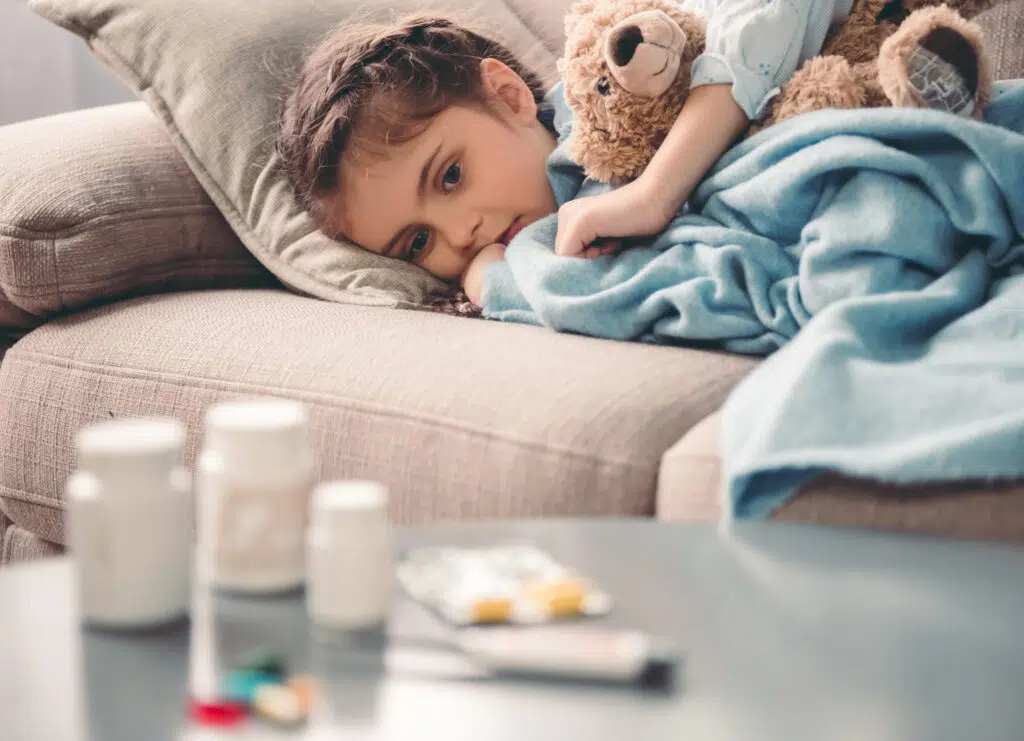
Your child’s immune system is still developing. This makes them more vulnerable to infections and sickness. It takes several years for their immune system to build up defenses against common colds and bacteria. When they are exposed to germs, they are more likely to catch different illnesses. There is a silver lining here though. Although they are sick, their bodies are learning to build immunity by fighting the illness off. Rest and good nutrition will help you make it through your sick days.
3. Poor Sleep Habits

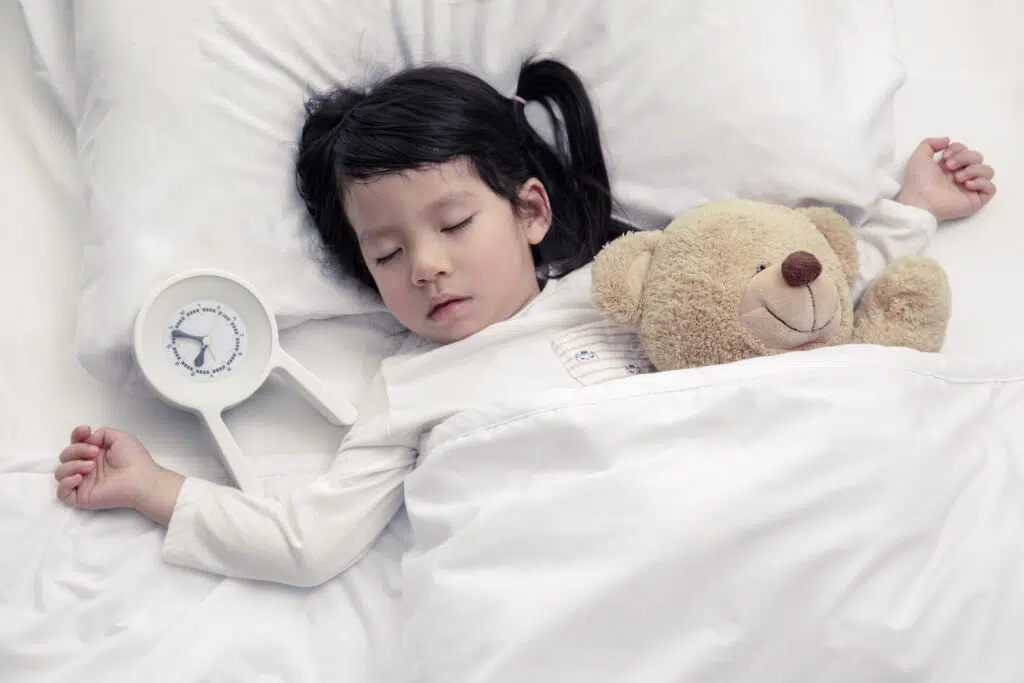
When you child isn’t sleeping well, it can impact their immune system. A good night’s sleep is key for your child’s overall health. Those who don’t get enough sleep are at a higher risk of getting sick. School-age kids need between 9 and 12 hours of sleep each night. In today’s world, there are plenty of distractions that might keep them from sleeping well though. It’s important to have a consistent bedtime routine and limit screen time before bed. This will help your child get the sleep they need to potentially fight off colds.
4. Exposure to New Germs

Children come into contact with new germs at school all that time. They are exposed to more people than when they were just at home with you. Every new person they meet or come into contact with brings a different set of germs. Again, their immune system is going to have to learn how to fight off these new illnesses. Encourage your child to hands their hands regularly and teach them good handwashing practices.
5. Diet Lacking in Nutrients

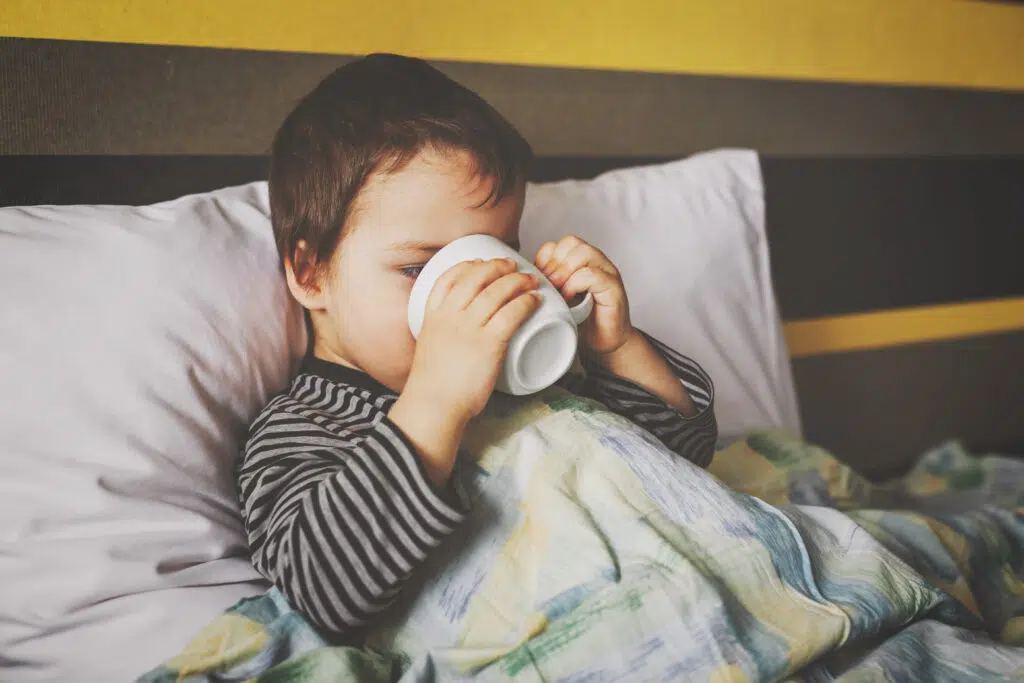
As mentioned above, nutrition can play a huge role in how you immune system reacts to germs. Without the proper vitamins and minerals in their diet, children’s bodies don’t have any defense against germs. Offer your child a well-balanced diet with fruits, veggies, lean proteins, and whole grains. During the flu season, you can also try to incorporate foods rich in vitamin C, zinc, and other immune-boosting nutrients. All of this will help keep their immune system strong.
6. Seasonal Changes and Allergies

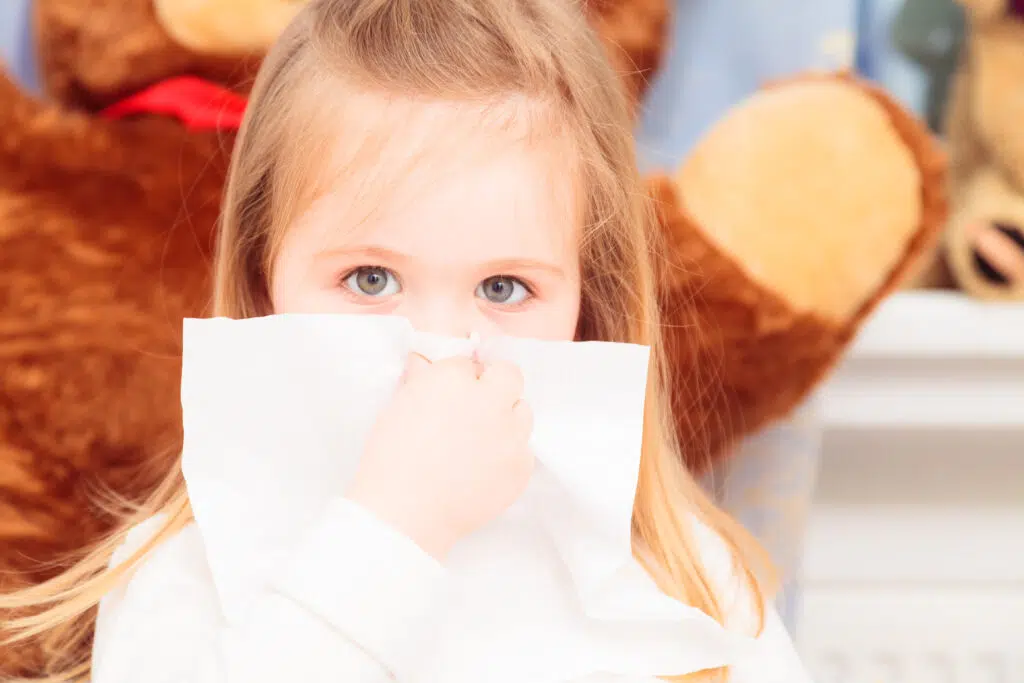
Your child’s sniffles might just be seasonal. Every fall and spring, my eyes water like crazy. As a kid, I had a little ongoing cold during these times too. As the weather shifts, kids are more likely to catch colds. You’ll find that children with allergies might have more intense problems when the weather is changing too. If you suspect your child has allergies, speak with your doctor about what you can do to treat them.
7. Stress from School

School can be stressful. They are trying to learn, make friends, and may have extracurricular activities. All of this contributes to stress, which can take a toll on your child’s overall health. Being stressed will weaken the immune system and can make kids more susceptible to illness. Reducing stress can help strengthen their immune system and lower their chances of getting sick.
8. Lack of Physical Activity

Physical activity is another key part of your overall health. Kids who don’t get enough physical activity are more prone to getting sick. Many kids today are spending more time glued to screens and less time outside, moving their bodies. Incorporating regular exercise into their days will help flush bacteria out of their lungs and airways. Do what you can to encourage your children to be active every day.
9. Close Contact with Sick Friends

It’s hard to keep your children away from their friends, but it is important that they don’t have close contact with anyone who is sick. Germs spread with ease when shaking hands, exchanging hugs, and using shared items. It’s crucial to remind your child to wash their hands often and tell them to avoid sharing food and drinks.
10. Not Enough Handwashing

Even if you remind your child constantly, they aren’t always going to be consistent about washing their hands. This just makes germs spread more easily. Continue to talk about the importance of handwashing and carry hand sanitizer with you for times when soap and water aren’t readily available. Good hygiene will help save your child the hassle of being sick.
Break the Cycle of Sickness

Sick kids are unfortunately very common. This is due to a combination of factors. Thankfully, many of those things can be addressed. Do what you can to encourage good hygiene, make sure they get enough sleep, and eat well. Teaching them about the importance of taking care of themselves can go a long way when it comes to preventing illness.