
As we approach the winter months, we’re feeling that sudden drop in temperature that can often be a shock to the system.
With the drastic rise in the costs of energy prices, a lot of people are becoming worried about how to heat their homes sufficiently and retain the heat for longer.
No one should have to focus all of their stress and energy on keeping warm through the winter.
There are plenty of tips and hacks to heating and retaining heat within the home, that can both relieve stress and save some pennies in the long run.


We’ve accumulated our top seven upgrades that will make your home warmer.
1. Wall insulation
Insulating your property is the most efficient and proven way to retain heat in your home through the winter months.
A third of all heat is lost through walls when homes are uninsulated.
The type of insulation you receive is fully dependent on the type of wall your home is constructed with.
New builds are now constructed with insulation included, however a lot of homes older than 30 years may not have insulation installed.
When considering insulating your home, you will need to consider the type of walls you are dealing with.
You can contact a professional to look at your home and recommend the best type of insulation for you.
There are two types of wall insulation available:
- Cavity Wall Insulation
- Single / Solid Wall Insulation
2. Upgrade Your Radiators
When upgrading your home for retaining heat, one method is to go straight for upgrading the source.
Radiators usually work most efficiently for up to 15 years, so if your radiators are pushing the 15-20 year mark, you may want to look into an upgrade.
Invest in a professional to assess your radiators and inform you on the best upgrade for your home.
Large radiators don’t always mean more heat, a lot of new smaller models are powerhouses at heating and allow for more room within your home.
With radiator upgrades comes new pipework.
If your piping is getting a little rustic, you may wish to invest in upgrading your pipes to keep your new radiator working efficiently.
Hiring a plumber to remove a radiator should cost between £100-£150 depending on the size and type.
3. Roof and Loft Insulation
One quarter of heat lost from the home is through the roof and loft. As heat rises to an uninsulated roof or loft, it escapes through any gaps in the brick, plaster or woodwork.
Insulating a roof or loft can really help to retain heat within your home, by preventing rising heat from escaping through any gaps and cracks in the structure.
Roof and loft insulation methods depend on whether the space is being used for solely storage purposes, or is frequently used as a living space.
4. Floor Insulation
Floor insulation is the least popular, due to the floor being the least problematic area when it comes to heat loss.
However, it may still be worth looking into if you’re serious about retaining heat in your home.
Around 10% of all heat in the home is lost through the flooring.
This may sound insignificant, but in the grand scheme of things it’s a substantial amount.
If you opt for floor insulation it’s also popular to add underfloor heating to add that extra element of warmth to the home.
5. Check Your Windows and Doors
Due to newer builds being readily constructed with double-glazing, we often forget about our windows when it comes to retaining heat in the home.
If your home is older you may wish to hire a professional to look at your windows.
A lot of older build properties were constructed using single-glazing, which is renowned to let heat pass through easily, causing heat loss and condensation leading to damp and mould.
Double glazing has two panes of glass instead of one, allowing for space in between which provides the insulation.

The spaces around your windows and doors can allow for heat to escape and create an airflow in the home, known as a draught.
It’s important that we draught-proof the home to avoid losing heat.
You can carry out DIY draught proofing to cover any gaps and cracks which may be causing the issue, however it may be more beneficial in the long run to consult a professional.
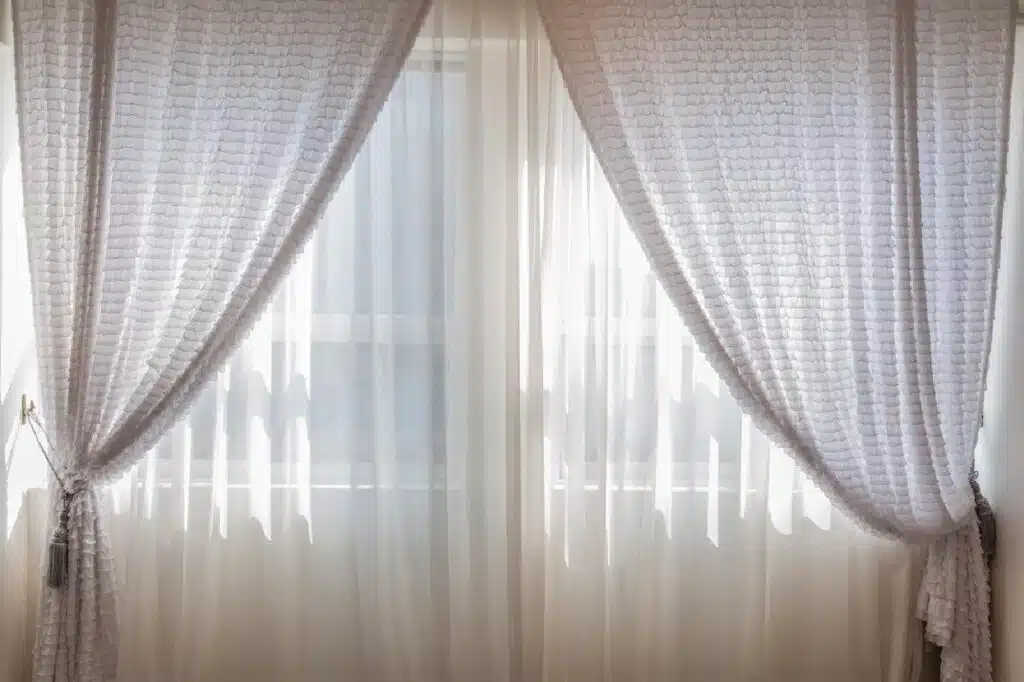
6. Install Curtains
Curtains are a great affordable way to lock the heat in your home – but how does it work?
Even if you’ve upgraded to double-glazed windows, a considerable amount of heat can still be lost through them.
Closing your curtains in the evening can retain heat by restricting the airflow between your home and the cold air outside.
The heavier the curtain, the more effective this method will be! You can also invest in thermal curtains which can elevate this process, keeping your home warmer for longer.
7. Add Rugs
If you’re not ready to go down the route of insulating flooring, we have a simple yet effective tip for you.
As we already know, 10% of all home heat is lost through the flooring.
A great way to prevent so much heat escaping through gaps in the woodwork, is to cover your flooring with rugs.
Rugs can prove as a fantastic multitaskers by providing a cozy, stylish design whilst also keeping your home toasty warm!