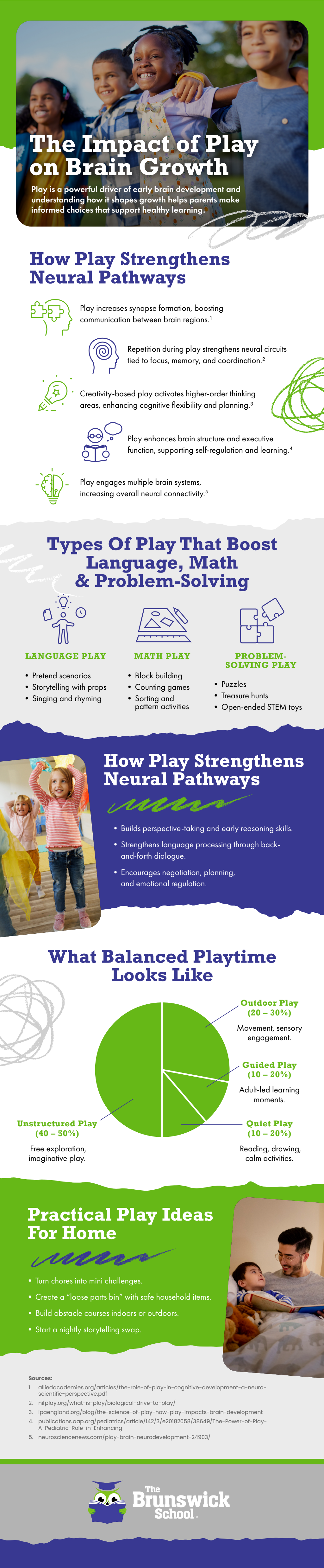
Play is often seen as simple fun, yet it plays a key role in brain growth.
From early childhood through the teen years, play helps build skills that support learning, behavior, and emotional health.
For families, making time for play is one of the most effective ways to support development.

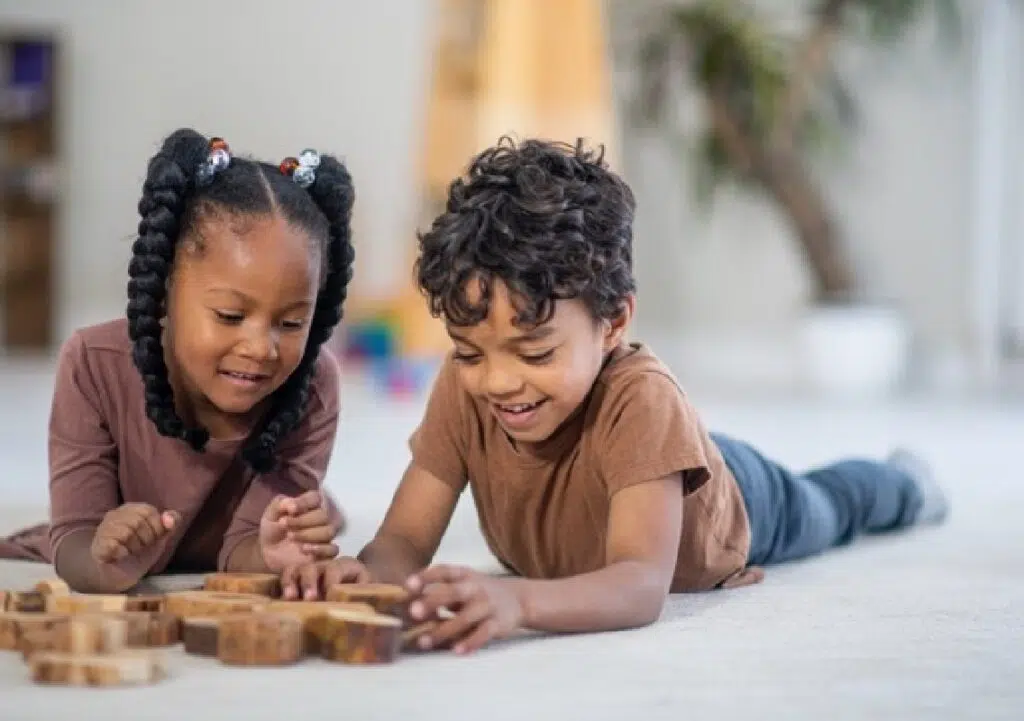
Daily play experiences help children learn without pressure.
Building Strong Brain Connections
The brain grows through use. When children play, they activate different parts of the brain at the same time. This helps create strong connections between cells, which support learning and memory.
Activities such as building, drawing, or solving puzzles encourage problem-solving.
These tasks help children think, plan, and adjust when something does not work. Repeating these actions strengthens brain pathways over time. Physical play also supports brain growth.
Running, jumping, and climbing improve coordination while also supporting focus and attention.
Supporting Language and Communication
Play creates natural opportunities for communication. Talking during games, storytelling, or pretend play helps children build language skills.
They learn new words, practice sentence structure, and express ideas more clearly.
Group play adds another layer. Children listen to others, respond, and share thoughts. This supports both speaking and listening skills, which are important for school and daily life.
Simple conversations during play can have a lasting impact on how children communicate.
Developing Emotional Awareness
Play helps children understand and manage their emotions. Through role-playing and group activities, they experience different situations in a safe space.
This allows them to explore feelings such as excitement, frustration, or disappointment.
Learning to handle these emotions builds resilience. Children begin to understand how to respond to challenges and interact with others in a positive way.
Social play also teaches empathy. Sharing, taking turns, and working together help children recognize the feelings of others.
Encouraging Creativity and Imagination
Creative play supports flexible thinking. Activities like drawing, building, or pretend games allow children to explore ideas without strict rules. This type of thinking helps with problem-solving later in life.
Imagination also supports confidence. Children learn to express themselves and try new ideas without fear of making mistakes.
This builds a strong sense of independence. Providing open-ended toys and activities gives children the space to explore and create freely.
Creating Consistent Opportunities for Play
Regular play is important for steady development. Structured programs, such as daycare summer programs, often include a mix of guided and free play. This balance supports both learning and social interaction.
At home, simple routines can include time for indoor and outdoor play. Limiting screen time can help create space for more active and creative experiences. Parents do not need complex plans. Simple, consistent playtime can support strong development.
Play is a powerful part of brain growth. It supports thinking, communication, and emotional skills in ways that structured learning alone cannot.
With regular opportunities for play, children can build a strong foundation for future learning and well-being.
To learn more about the impact of play on a young brain, feel free to look over the accompanying resource.