
Setting boundaries can be tough, but it’s one of the most powerful things you can do to protect your mental and emotional health. Without clear limits, you might feel drained, unappreciated, or even resentful.
Boundaries aren’t about shutting people out—they’re about teaching others how to treat you and making space for your well-being. If you’re ready to take control, these 19 tried-and-true boundary-setting tips can make a world of difference.
Define What You Value Most

Knowing what’s truly important to you is the foundation of good boundaries. Take a moment to identify your priorities—whether it’s family, career, health, or personal time.
When you’re clear on what matters, it’s easier to say no to things that don’t align with your values.
Learn to Say “No” Without Guilt

It’s just a two-letter word, but for many, saying no feels impossible. Start small.
Practice saying no to things that don’t serve you, like extra work tasks or unwanted social plans. Remember, every “no” is a “yes” to something that matters more.
Like Kelly’s thoughts on things? Follow us on MSN.
Recognize Emotional Triggers

Pay attention to moments when you feel overwhelmed or taken advantage of. These triggers are clues about where your boundaries need reinforcement.
Identifying them is the first step to creating limits that protect your emotional energy.
Communicate Your Needs Clearly

Don’t assume people will just “get it.” Be direct and specific about what you need.
Whether it’s asking for alone time or clarifying work expectations, clear communication prevents misunderstandings and resentment.
Practice Self-Reflection

Regularly check in with yourself to assess how you’re feeling. Are your boundaries working, or do you feel stretched too thin? This ongoing self-awareness helps you adjust your boundaries as your needs evolve.
Like Kelly’s thoughts on things? Follow us on MSN.
Start Small and Build Confidence

You don’t have to overhaul your life overnight. Start with one small boundary—like turning off your phone after 8 p.
m.—and see how it feels.
Success in small steps can boost your confidence to set bigger limits.
Use “I” Statements

When expressing boundaries, focus on how you feel instead of blaming others. For example, say, “I need time to recharge after work,” rather than, “You’re too demanding.
” It keeps the conversation constructive and less confrontational.
Be Consistent with Your Boundaries

Boundaries lose their power if you don’t enforce them. If you’ve said no to something, don’t backtrack.
Consistency shows others you mean what you say and teaches them to respect your limits.
Like Kelly’s thoughts on things? Follow us on MSN.
Embrace the Awkwardness

Setting boundaries can feel uncomfortable, especially at first. Lean into that awkwardness, knowing it’s part of the process.
Over time, it gets easier, and the discomfort is a small price for long-term peace.
Prioritize Your Well-Being
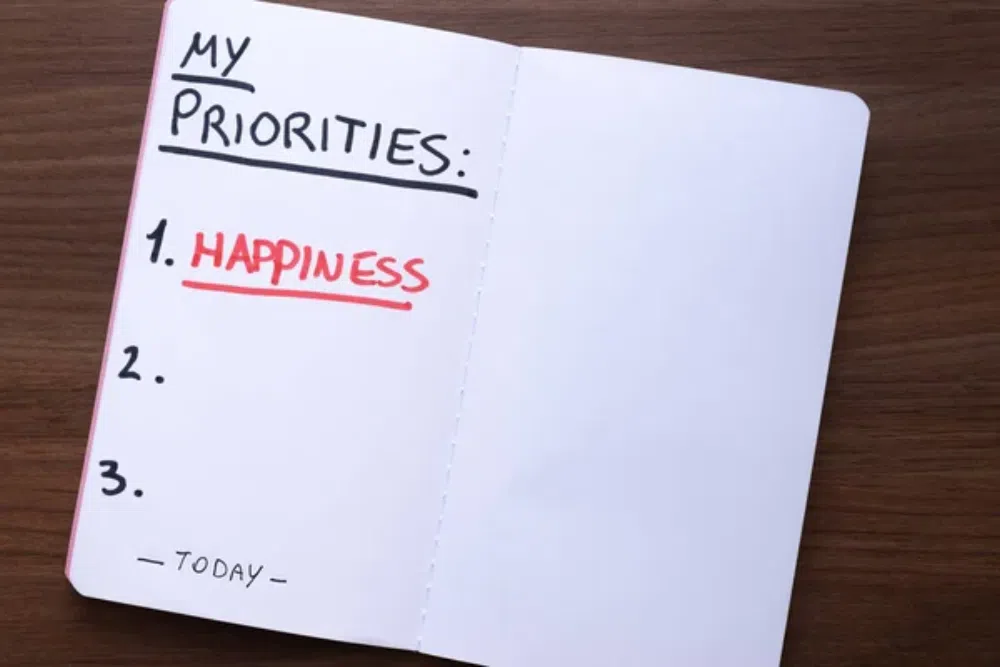
Your mental and physical health should always come first. Before committing to anything, ask yourself, “Will this benefit or harm my well-being?” Let your answer guide your decisions.
Set Boundaries in Advance
Anticipate situations where your boundaries might be tested and plan ahead. For instance, decide how much time you’ll spend at a family gathering or what you’ll say if someone asks for a favor you can’t handle.
Like Kelly’s thoughts on things? Follow us on MSN.
Limit Access to Your Energy

Not everyone deserves your time and attention. Be selective about who you let into your inner circle.
Surround yourself with people who uplift and respect you, not those who drain you.
Protect Your Free Time

Your downtime is sacred. Guard it fiercely by scheduling it just like any other important appointment.
Whether it’s a relaxing bath or a Netflix binge, make sure your free time remains uninterrupted.
Know That Boundaries Are Not Selfish

It’s easy to feel guilty for setting limits, but boundaries aren’t about selfishness—they’re about self-respect. You can’t pour from an empty cup, and taking care of yourself helps you be there for others.
Like Kelly’s thoughts on things? Follow us on MSN.
Use Technology to Reinforce Boundaries
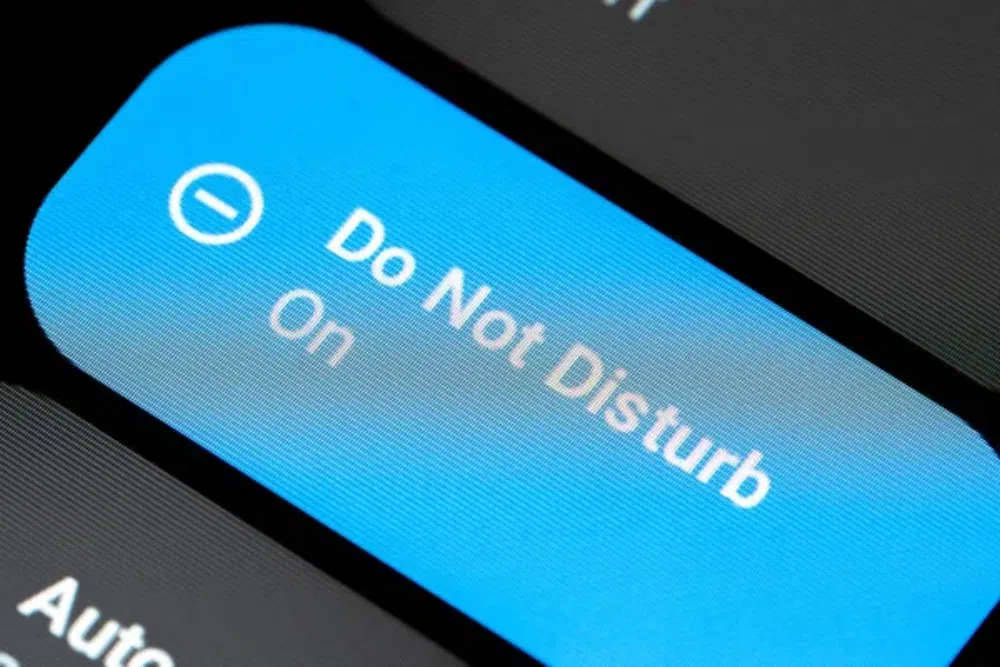
Automate some boundaries with tech. Set your phone to “Do Not Disturb” during certain hours, or use email filters to manage your inbox.
These small tweaks can make a big difference in reclaiming your time.
Accept That Not Everyone Will Be Happy

Some people will push back when you set boundaries, and that’s okay. Their discomfort isn’t your responsibility.
Stay firm, knowing you’re making choices that are best for you.
Seek Support When Needed

You don’t have to go it alone. Talk to a friend, mentor, or therapist about your boundary-setting journey.
Their encouragement and perspective can help you stay strong, especially when it gets tough.
Like Kelly’s thoughts on things? Follow us on MSN.
Acknowledge and Celebrate Progress

Every time you enforce a boundary, it’s a win. Take a moment to celebrate your growth and remind yourself how far you’ve come.
This positive reinforcement can motivate you to keep going.
Reevaluate and Adjust as Necessary

Life changes, and so do your boundaries. Periodically reassess your limits to ensure they still align with your current priorities and needs.
Flexibility keeps your boundaries effective and relevant.
More From Kelly’s Thoughts On Things
- 7 Hamburger Restaurants That Aren’t Worth The Money
- Not Collectible: 7 Debts That Are No Longer Collectible
- 4 Grocery Chains in Danger of Going Out of Business
- 5 Fast-Food Chains That Are Struggling to Keep Doors Open
- 7 Vehicles Being Discontinued in 2025
Like Kelly’s thoughts on things? Follow us on MSN.