
Have you heard about a popular personal finance trend called a no buy year? It involves buying nothing for an entire year, except essentials like gas and groceries. Doing this allows you to save money, embrace minimalism, and reduce your environmental footprint. However, some people choose to do a low buy instead, which leaves room for a few luxuries here and there. Whether you opt for a low or no buy year, we thought we’d share 10 tips to help you buy almost nothing in 2025 and save a bundle.
1. Learn the Difference Between Wants and Needs

One of the keys to a successful no buy year is to learn the difference between wants and needs. We may think we’re doing a good job at sticking to the bare essentials. However, adding unnecessary candy to your grocery cart or treating yourself to an iced latte detracts from your goal of buying almost nothing in 2025.
These impulse purchases may seem harmless, but the cost can really add up and make a big impact on your budget. According to Statista, Americans spend an average of $150 per month on unplanned purchases. To complete a successful low or no buy year, you must only purchase true necessities, such as basic groceries and gas.
2. Make a List of Forbidden Purchases

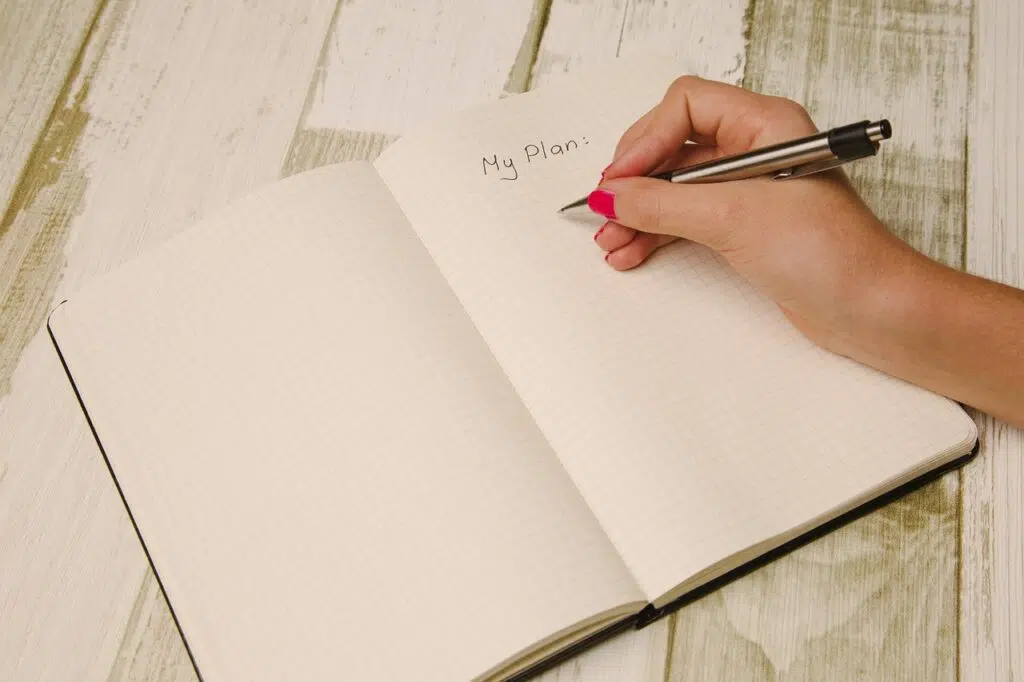
Another strategy that can help you buy almost nothing in 2025 is to make a list of banned items you aren’t allowed to purchase. We all have hobbies and interests that we tend to waste money on. Sitting down and reflecting on your problem areas will help you avoid spending triggers in 2025. For example, recognizing that you buy too many wax melts will enable you to steer clear of candle stores where you may be tempted to overspend.
3. Borrow Items or Use Buy Nothing Groups


Thanks to community resources, you don’t always have to buy something when you need it. Many libraries have collections of useful household items that you can check out, such as tools, small appliances, and electronics. Most towns also have a “buy nothing” Facebook group that allows neighbors to share resources. People post pictures of their unwanted items and give them away to other group members, allowing you to score the things you need for free.
4. Reorganize Your Stuff

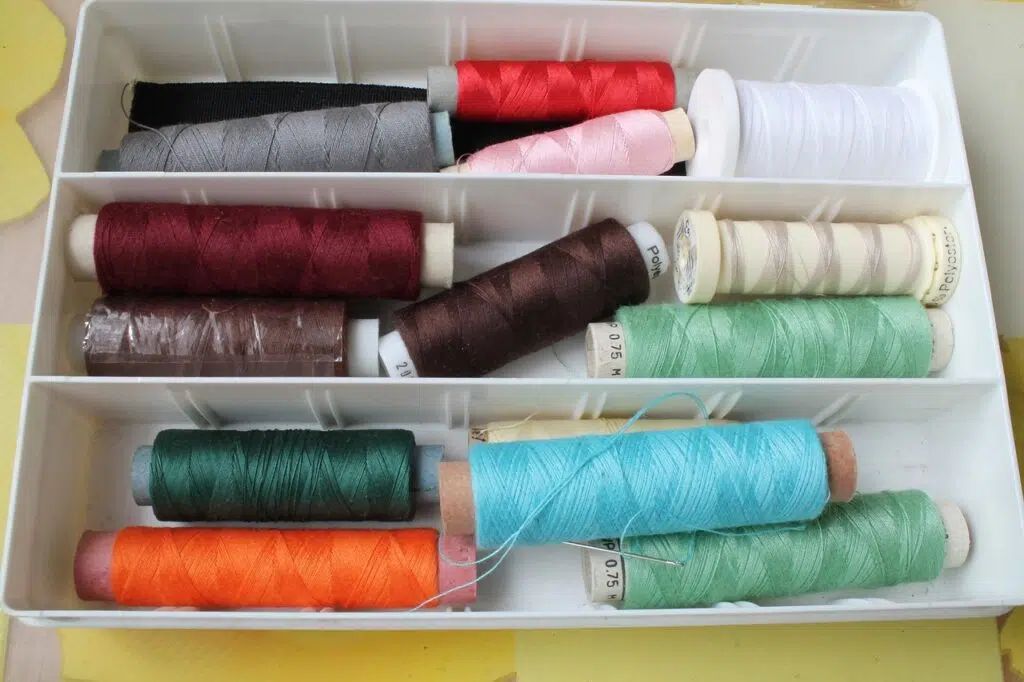
Sometimes we accumulate so much stuff that it’s hard to remember what we own. If you have lots of “doom piles” you haven’t dealt with, it may be time to reorganize your home. Sorting through your belongings can help you realize the sheer number of possessions you have. Seeing how many belongings you’ve barely used may help you embrace minimalism and buy almost nothing. Instead of buying new items, you’ll rediscover old ones that have been sitting in the closet, from hobby supplies to recreational equipment.
5. Learn About the Environmental Impact of Shopping


Reading about the environmental impact of consumerism may motivate you to buy almost nothing in 2025. According to Columbia, the production of household goods and services creates nearly 60% of the world’s greenhouse gas emissions. Due to climate change, the intensity and frequency of natural disasters is increasing. But you can do your part to help the environment by reducing your consumption and embarking on a no buy year.
6. Limit Social Media Use


Spending too much time on social media can drive anyone to overspend. Platforms like Instagram and TikTok are flooded with ads and influencer marketing campaigns, which can convince you to make unnecessary purchases. While it’s fun to follow your favorite celebs, overusing social media can influence you to inflate your lifestyle and interfere with your no buy year. If you’re serious about being frugal in 2025, start cultivating non-digital hobbies and building your offline relationships. You’ll feel less tempted to scroll social media and engage in needless consumerism if your daily life is rich and full.
7. Cultivate Gratitude

It’s normal to get jealous of other people’s lifestyles and the nice things they can afford. However, cultivating gratitude for your own blessings can help decrease feelings of envy that contribute to lifestyle creep. Recognizing the abundance already in your life will lessen your desire to acquire more. Feeling content with what you have will make it easier to buy almost nothing and save money.
An easy way to start a gratitude practice is to journal about three things you’re thankful for every day. Once this mindset becomes ingrained, you won’t have trouble seeing the blessings all around you.
8. Upcycle Your Belongings


Another reason people overspend is to add novelty to their life. Sometimes we can get tired of our routines and using the same items over and over again. But you don’t have to buy a new outfit whenever you feel bored with the clothes in your closet. You can simply upcycle and repurpose the items you already have, enabling you to stick to your low or no buy.
For example, you could sew patches onto your jeans to refresh them and give them a trendy vibe. There are lots of online tutorials that can show you how to transform your belongings and give them new life.
9. Find Healthier Outlets Than Shopping


Many of us shop because doing so provides a feel-good dopamine hit that distracts us from our problems. However, shopping isn’t the healthiest outlet for our emotions. It’s better to learn how to truly process your feelings than ignore them by hitting “buy now.” Journaling, meditation, and mindful walks can help you work through your emotions instead of stuffing them down.
10. Sell Unused Items for Spending Cash


If you really want something during your no buy year, you can always sell some of your unused belongings to cover the cost. You’ve probably made some purchases you regret over the years, which are sitting in your closet collecting dust. Reselling them can help you recoup some of your money and reduce your sense of buyer’s remorse. Although it might be better to save the money you earn, it’s ok to treat yourself sometimes as long as you do so mindfully.
Learn How to Spend Intentionally

Completing a low or no buy year can help you recalibrate your relationship with consumerism. Instead of seeking out frequent dopamine hits from shopping, you’ll find new ways to occupy your time and deal with your emotions. Even after your no buy is over, you’ll carry the lessons you learned about frugality and minimalism forward. You may find that you continue to buy almost nothing, choosing to spend your money discerningly on the things you value most.