
Addiction is a common disease and like any disease causes harm to those who have it and which should be looked at by health professionals.
In 2018, in a study conducted it was found that around 3,000 people had died through drug abuse, which is a staggeringly high number for a condition that has various means of being treated.
It is the stigma attached to addiction being a choice and the related stigma surrounding getting treatment that also plays a key role in generating this high death toll.
So, if you or anyone you know is suffering from addiction and you would like for them to get treated, then this quick guide will help you find the right treatment for you in the UK so that you can start your journey on managing and curing your addiction.

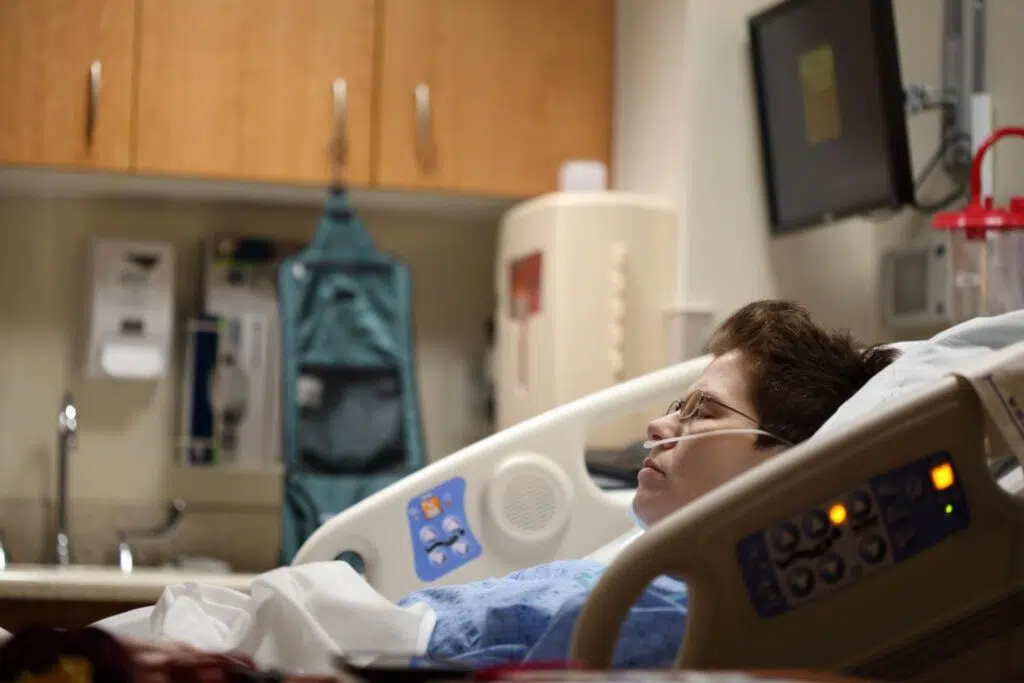
Go to Your General Physician for a Consult
If you would like to use the NHS (Nation Health Service) as our means of getting treated then go to a GP near you or a local addiction centre that is covered by the NHS.
Getting yourself looked at by a GP will give you a baseline of your condition and might possibly help narrow down how to go about treating it.
The general physician can then discuss with your possible treatment plans, or if it’s something outside their scope of what they can handle then they refer you to a reliable rehabilitation centre.
The following are types of treatment for people suffering from addiction that are offered by General Practitioners or local addiction centres as part of their outpatient department.
Upon getting to your first check-up with your GP, you will be questioned about your drug abuse.
Starting from what types of drugs, in what quantities, and how frequently you use them.
This can seem like a daunting task but remember that the intent of which they ask you these seemingly uncomfortable questions is so that they can understand your problem fully so that they can recommend a suitable treatment plan.
In-Patient Plans of Treatment
Depending upon your condition and you will either be advised to go for either outpatient or you try to combat your addiction through assisted help from the in-patient treatment methods such as:
- Conversational Therapy: This sort of therapy includes you going to see a counsellor or a therapist with whom you will have discussed how you and your emotions interact and behave. An example of conversational therapy is Cognitive Behavioural Therapy.
- Medicational Assistance: This form of assistance is primarily for those who are suffering from opioid addiction. In the UK, amongst the drugs with the highest rate of abuse is heroin or oxycodone; to taper off from these addictive substances, your doctor prescribes a controlled alternative to help you stay stable throughout your decided treatment plan without having to go through severe withdrawal symptoms.
- System Detox: This refers to the complete detoxification of the body from the addicted drug in question. This treatment is usually offered to those who are suffering from opioid addiction.
- Support Groups: There are multiple organisations out there such as Alcoholics Anonymous (AA) or Narcotics Anonymous (NA), which can be referred to you by your GP or your sponsor. These groups have individuals who are also on their journey to getting treated for their addiction and it is helpful to share amongst these groups as they will best understand what you are going through as they are doing so themselves.
In-patient treatment plans are usually a combination of multiple treatments put into place which are adjusted for and re-evaluated depending upon how you respond to the treatment.
They attempt to help you schedule your day for you, from what you eat, time spent for physical activities and mental activities.

Places that provide rehab programs offer you or your loved ones a structured and organised environment to detox and rehabilitate from addictive behaviours, minimising stress and uncertainty, and allowing for a safe and supportive journey to healing and long-term recovery.
“Whilst the recommended stay in residential rehab is 28-days, this can often be extended if needed, the treatment is intensive and may involve a mix of therapies” explains the substancerehabilitation.com website.
Summary
Addiction is a growing disease affecting society and its victims are more so misunderstood and marginalised which creates a great barrier for those afflicted to seek treatment.
We need to make getting treated for addiction as normal as getting treated for any other life-threatening disease because it is one.
#1 If you are someone who recognises they have an addiction then go consult your General Practitioner
#2 Discuss possible treatment plans and which one would be the most suitable for you
#3 If you are recommended In-patient care then you have to take that as a sign that you need help and it isn’t something to panic about
#4 Taking care of yourself is always a top priority and working your way out of an addiction is you overcoming an illness.