
Relocating to a new home is an exhilarating experience. A fresh start, new surroundings, and an opportunity to redesign your life.
But in the midst of packing boxes and choosing wall colors, it’s vital to prioritize your new home’s safety.
This guide offers an essential safety checklist to ensure you and your loved ones can enjoy your new home with peace of mind.

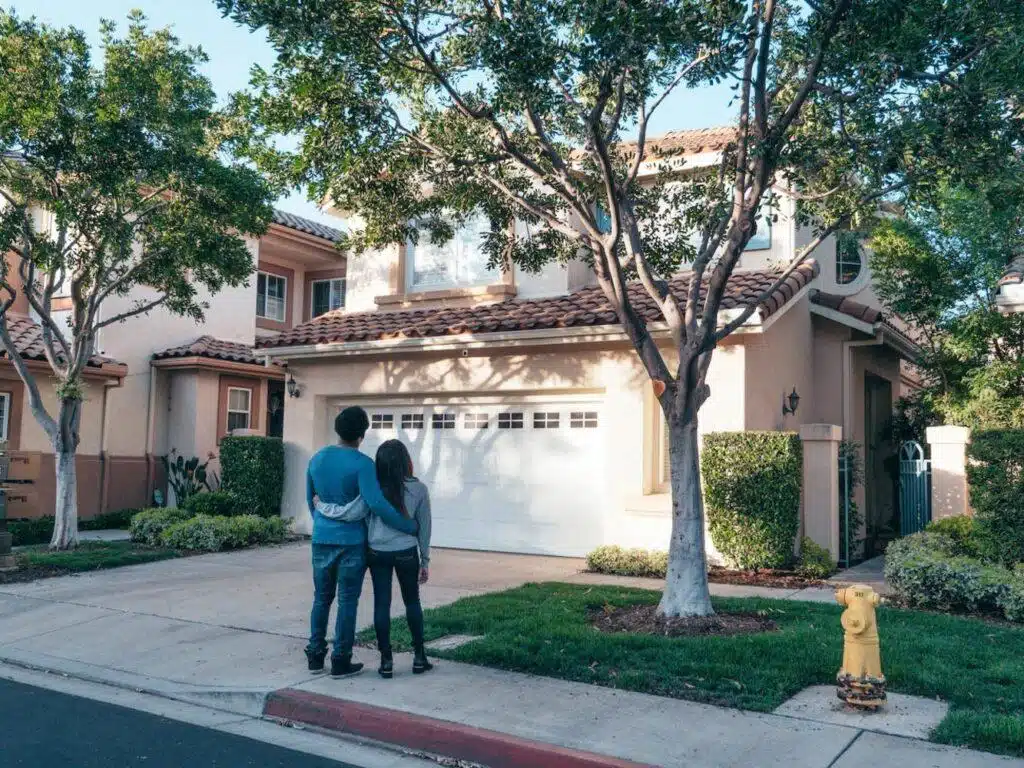
Survey the Landscape
Your new home’s surroundings play a pivotal role in overall safety. The exterior can often be overlooked, but ensuring it’s secure and free from potential hazards can make a significant difference.
Check for Trip Hazards
Inspect the walkways and paths for any uneven surfaces, loose bricks, or stones that might cause trips or falls. Make sure to address these issues before moving in.
Assess Outdoor Lighting
A well-lit exterior can deter potential burglars. Ensure all entranceways, paths, and driveways have adequate lighting. Also, consider solar lights as an environmentally friendly option.
Secure the Perimeter
The first line of defense against potential intruders is the boundaries of your property. Ensuring your home’s exterior is well-guarded can offer peace of mind as you settle into your new surroundings.
Update Locks and Keys
You can never be sure who might have had access to your new home in the past. A top priority should be to replace or rekey all external locks. Hiring a professional locksmith ensures the job is done right and provides an opportunity to discuss the latest security options.
Window Security
Check the integrity of all window latches and locking devices. Also, consider investing in security film or window bars for added protection.
Install a Security System
Depending on your neighborhood and personal preferences, choosing to install a security system with cameras, alarms, and motion sensors may be a smart decision.
Checklist for Hidden Dangers
When moving in, some threats aren’t immediately visible. A thorough inspection of the nooks and crannies of your new home can unveil issues that might need immediate attention.
Inspect Plumbing
Before settling in, inspect the plumbing system. Look for any leaking pipes or faucets. Damp spots can attract pests and mold growth which could be a health concern.
Roof and Gutter Check
Ensure the roof has no loose shingles and the gutters are clear. Water seepage or blockages can cause structural damage in the long run.
Attic and Basement Assessments
Don’t overlook the attic and basement. Check for signs of pests, mold, or any previous water damage. Ensure proper insulation in the attic to prevent heat loss and reduce energy bills.
Fire Safety First
Even with modern home advancements, fire remains a genuine concern. It’s imperative to be equipped and ready. Prioritizing fire safety measures ensures you can act swiftly and effectively in any unforeseen emergency.
Smoke Alarms
Ensure there are functional smoke alarms installed on every level of your home. Test them and replace batteries if necessary.
Fire Extinguishers
Keep at least one fire extinguisher on each floor, especially in the kitchen and garage. Ensure they’re easily accessible and that everyone knows how to use them.
Plan an Escape Route
Familiarize your family with the quickest way out of each room. Also, establish a safe meeting point outside.
Child and Pet Proofing
Homes come with numerous hidden dangers for our younger family members and furry friends. Customizing your environment to be safe for children and pets ensures everyone can freely enjoy the new space without constant worry.
Secure Heavy Furniture
Anchor bookshelves, TVs, and heavy furniture to walls to prevent them from toppling over.
Guard the Stairs
If you have small children or pets, install safety gates at the top and bottom of the staircases.
Lock Away Hazardous Materials
Store cleaning supplies, medications, and other potentially harmful substances in locked cabinets or out of reach.
Community Safety Measures
There’s an old saying that safety comes in numbers. Being an active member of your community can not only enrich your social life but also bolster the overall security of your household.
Understand the Neighborhood
Spend some time researching or asking neighbors about common safety concerns in the area. This can provide insights into local security measures and community watch programs.
Connect with Local Community Centers
Many community centers offer local safety initiatives and programs. Participating can be an excellent way to know about the neighborhood’s security dynamics.
Keep Emergency Numbers Handy
While 911 is the go-to in emergencies, also keep a list of local numbers such as the nearest hospital, police station, and emergency tradesmen like a 24-hour plumber and locksmith.

Electrical and Appliance Safety
Electrical systems and appliances are integral to our modern lives. However, they come with their own set of risks. Regular checks and maintenance can prevent many common electrical hazards.
Check for Frayed Cords
Inspect all cords and replace any that show signs of wear and tear.
Unplug Unused Appliances
To avoid potential electrical fires, unplug appliances that aren’t in regular use.
Ensure Ground Fault Circuit Interrupters (GFCIs)
GFCIs are crucial in areas near water, like bathrooms and kitchens. They help prevent electrocution.
Natural Disaster Preparedness
Nature is unpredictable, and while we can’t control it, we can be prepared. Depending on your location, understanding and readying for potential natural calamities can make all the difference during critical moments.
Know the Risks
Depending on your new home’s location, understand the risks of natural disasters such as floods, earthquakes, or hurricanes. Prepare accordingly.
Emergency Kits
Have an emergency kit ready with essential items like flashlights, batteries, first aid supplies, bottled water, and non-perishable food items.
Home Insurance Review
Ensure your home insurance covers potential risks in your new area. Understand the terms and make necessary updates if needed.
Internal Air Quality
A safe home isn’t just about guarding against external threats. The air you breathe inside is equally crucial. Ensuring optimal indoor air quality can drastically improve your family’s health and comfort.
Check Vents and Filters:
Ensure all vents are clear and replace any old air filters. It helps in improving the air quality inside the home.
Install a Carbon Monoxide Detector:
If your home uses gas heating, this is vital. Carbon monoxide is odorless and can be lethal.
Professionally Service Your AC System
A yearly professional service for your air conditioning system has many benefits. It ensures minor issues are repaired before become larger problems. It can also improve the efficiency and lifespan of your air conditioning system.
Conclusion
Moving to a new home is a big step, filled with both excitement and challenges. Safety should always be at the forefront of your priorities.
By following this checklist, you’ll be better prepared to make your new environment safe and secure for everyone. Remember, it’s always worth investing in safety.
Whether it’s upgrading your locks, installing security systems, or ensuring your home is childproof, each step you take is an investment in the well-being of your family. And as always, when in doubt, seek professional advice or assistance.