
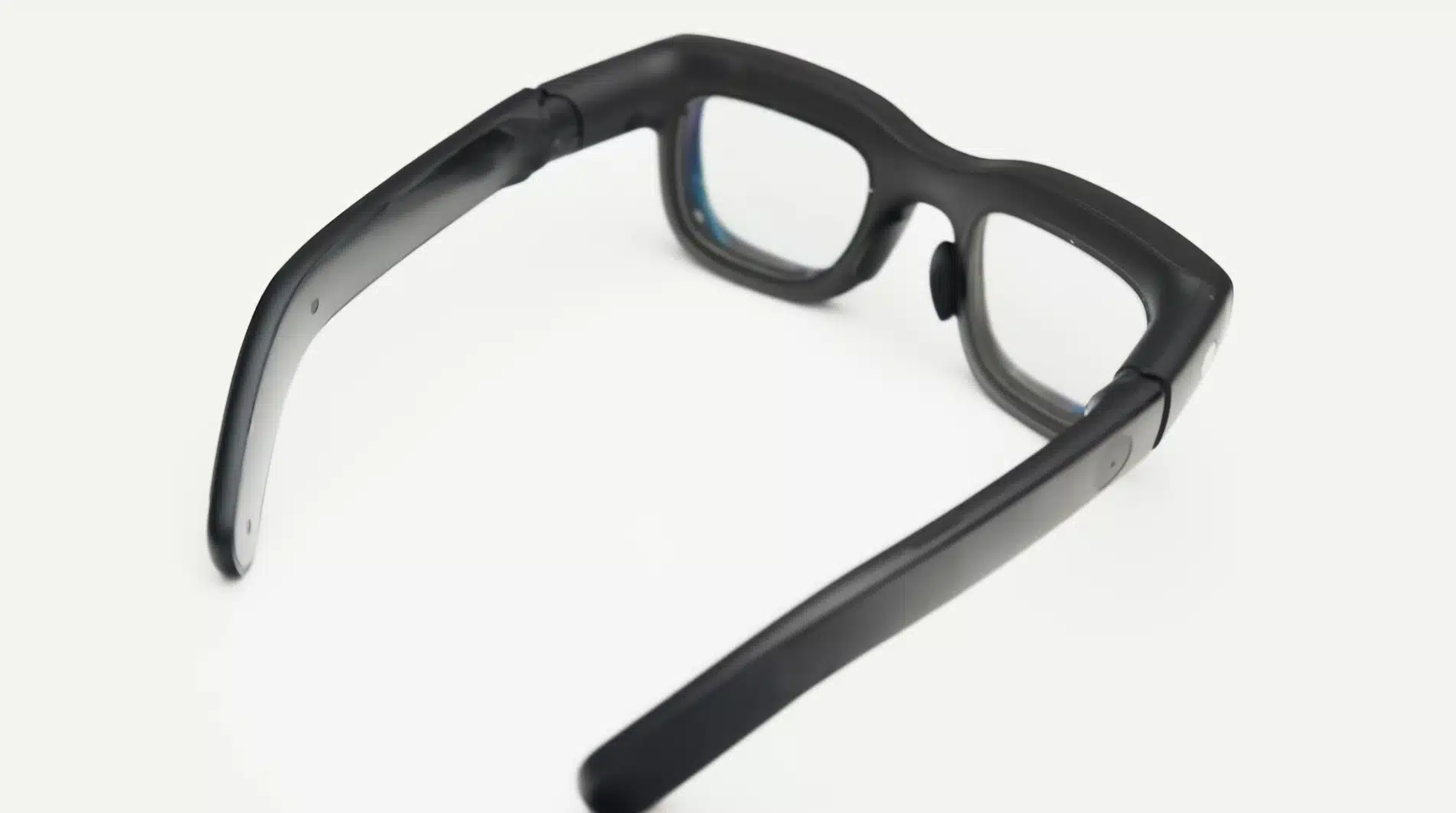
Facebook founder and Meta CEO Mark Zuckerberg recently unveiled the Meta Orion AR glasses. The tech giant touts the prototype augmented reality glasses as the most advanced pair of AR glasses ever made. The Orion pushes the boundaries of how we interact with technology and experience the world around us. Meta sees the new device as the key to unlocking the next big leap in computing. Here’s a closer look at why the Meta Orion AR glasses are special.
1. Meta Orion AR Glasses Availability and Price

Let’s address the elephant in the room. When will Meta Oriona AR Glasses be released, and how much will they cost? At the moment, the thick-framed AR glasses are not available to the public, and there’s no clear schedule for when they will be out. According to Meta, you can expect the price of the Orion AR glasses to be close to a laptop or a high-end smartphone, which puts the Meta AR glasses price at around $1,500 to $3,000. Meta sees them as a developer platform and is working on improving their design and trimming the price down.
2. From Project Nazare to Orion AR Glasses

Mark Zuckerberg’s new toy represents years of hard work by the Meta team. Spanning over 10 years, the gadget was initially called Project Nazare, and it went through a good dose of innovation and refinement to achieve its current form. This involved making the components really small to fit the AR glasses design and achieving a comfortable form factor that will be acceptable to end users. It’s a big milestone in the field of wearable technology. The Orion is packed with technologies that have built on the efforts of Meta’s Reality Labs over the last decade. It comes with a lot of sensors, a bunch of cameras, speakers, microphones, and Wi-Fi. It sets up how users will be able to enjoy the most amazing augmented reality experiences we can only imagine before.
3. Orion AR Glasses Lenses: Not Glass, Not Plastic

The Meta AR glasses, that tip the scale at 100 grams or 3.5 ounces, are far from being ordinary. The lenses they use are not made of glass, nor are they made of plastic. Meta used silicone carbide lenses that perfectly match the on-board mini projectors. The materials provide an impressive 70-degree field of view, are light, and highly durable. The field of view is smaller compared to existing VR headsets but much better than that of a potential AR glass competitor from Snap, according to reports.
4. How Do You Control the Meta Orion AR Glasses?

Using a touchscreen? Clunky controllers? Those are old school by Orion standards. Orion’s input system involves using your voice, eyes, and hand tracking. Maybe you can imagine the first two, but the third one is amazing. Meta puts their work on EMG or electromyography on centerstage. Using an EMG wristband, you can effortlessly swipe, scroll, and click with the tiniest movement of your muscles. With these input methods, users can interact with menus, objects, and content in the virtual world naturally, discreetly, and hands-free.
5. Wireless Compute Puck


Another essential piece of the Orion AR specs is the wireless compute puck. This is the brain that makes everything possible. While the glasses do all the hand and eye tracking, the rest of the work is done by the puck that can easily fit in your pocket or bag. It is powered by dual processors handling graphics rendering, machine perception, and some AI computing. The puck allowed Meta to give the Orion a better battery life and form factor.
6. Software and AR Experiences on Meta’s Orion Glasses


The Meta Orion goes beyond breakthrough hardware. It is a platform for augmented reality experiences that may shape the future. It could be your primary interface to interact with the digital world. Expect to have Meta AI to help you with visualizations. The same technology runs on the commercially available Ray-Ban Meta smart glasses. If you need to make a call, for example, the Orion will allow you to make one hands-free and give you a realistic avatar so it feels like you’re in front of the person you’re talking to. The possibilities are endless, with the real world blending with the digital world. From games, education, and virtual workspaces, we can only imagine how it can enhance our day-to-day dealings in the future.
7. Potential Applications of the Orion AR Glasses

The Meta AR Glasses may go beyond gaming and communication. It can serve as a real-time guide while doing complex tasks in the real world. At work, Meta’s Orion glasses can be used for immersive training sessions, be an excellent tool for collaborative design work, and be a platform for hands-free data access. Can you imagine doctors using Orion while doing complicated surgeries, diagnosing people remotely, or how people with disabilities thrive while wearing them? Zuckerberg is correct when he said the device has the potential to redefine how we interact with the world.
8. A Future Where You’re No Longer Tethered to Screens


The Meta Orion AR Glasses can indeed be a game-changer. Eventually, it can become your main interface that seamlessly blends the real and virtual worlds. Forget smartphones, tablets, or laptops. How you experience technology will change when you’re no longer tethered to screens. Of course, along the way, there will be ethical considerations as such technologies will reshape human habits and interactions.
9. Meta Orion: What’s The Road Ahead?


Without a doubt, the Orion AR glasses are a technological marvel. However, it could still be a long journey before it hits the mainstream. Meta will most likely work on further miniaturizing its components for a more comfortable device that users can wear all day. For immersive experiences, a better resolution and field of view are a must. You can add concerns about privacy and data collection, among others, to the list. Of course, you cannot discount the potential AR glasses competition from Apple, Google, and Snap.
Meta Orion AR Glasses Pave the Way For the New Reality
With the unveiling of the Orion augmented reality glasses, Meta gives us a glimpse of the near future. The latest wearable from Mark Zuckerberg and his team of engineers and developers can redefine how we use technology to interact with others and our surroundings. Exciting times.