
Everyone and everyone’s parents are on social media these days. While it is a great tool that connects us with friends and family, it also has many pitfalls. There is no denying that the majority of us are chronically online. Unfortunately, it has come to a point where social media affecting mental health is commonplace. Many of us feel self-conscious or jealous of our friends and the social media influencers showing off their seemingly perfect lives.
Understandably, it is hard to go offline completely. However, there are other ways to manage the negative effects of social media. Here are some tips and practices that can protect your mind from social media:
1. Doomscrolling


We are all guilty of doomscrolling, even if we don’t know what it means. Doomscrolling is one of the signs of social media addiction. There are times when we find ourselves endlessly scrolling from one negative content to the next, which fuels our feelings of anxiety and depression. There may come a point where you ask yourself: is social media making me unhappy?
If the answer is yes, it is time to take a step back and limit your exposure to negative and anxiety-fueling content. Curate a feed that prioritizes positivity and stay clear of news that can trigger your doom-scrolling tendencies.
2. Comparing Yourself to Others


There are published studies about the social media depression link. Often, the feeling of inadequacy and depression comes from comparing ourselves to others. It is easy to fall into the social media comparison trap when all you see are the perfectly curated lives of people online. Comparing yourself and what you have against the posts you see can result in low self-esteem making you feel less than good about your life.
If you feel this way, it is time to protect your mind from social media. Take a breath and remember, not everything you see online is true. Social media is a facade. Focus on yourself.
3. Chasing Validation


Yes, we all want and crave validation. That is just human. However, a clear indication of social media affecting mental health is when you crave and chase online validation. Creating content simply because you want likes and comments from followers and strangers you don’t know is not how to use social media safely. The validation can become addicting, and you may end up doing something drastic to get more.
Instead of using social media for validation, use it for growth, self-love, and building genuine connections with those closest to you.
4. Engaging in Negative Self Talk


Another negative effect of the social media comparison trap is when you start to attack yourself. The constant scrolling and viewing of the “perfect” influencer life can make you criticize yourself and your perceived flaws. The continuous negative talk and thinking will damage your self-esteem and lead to mental health issues. It’s actually one of the behaviors that make life miserable for many people today.
This type of social media and anxiety tie-in can be hard to control. However, being kind to yourself, and talking compassionately and positively to yourself can help you protect your mind from social media.
5. Oversharing Personal Information

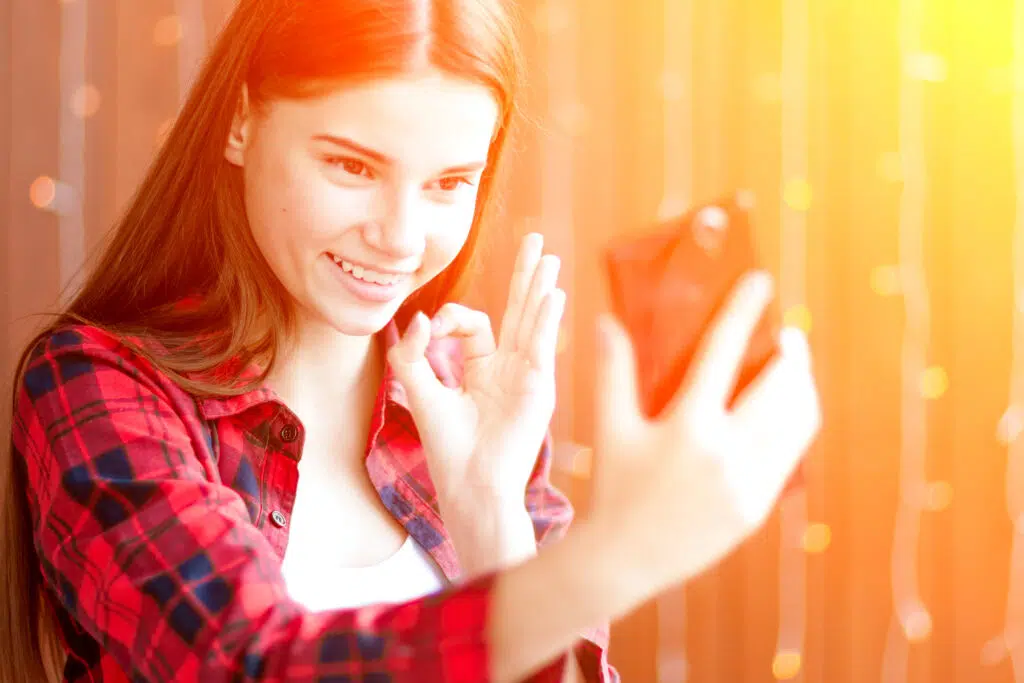
In a world where oversharing is the norm, your privacy is at risk. Sharing too much personal information can drive up interest and engagement, but it is not worth it. Oversharing can lead to serious and dangerous situations such as stalking and online harassment, tying together social media and anxiety. Be careful about what you share online. Always set healthy social media boundaries and remember not everything needs to be shared on social media. Sometimes, oversharing personal information makes you an accomplice in your own burglary.
6. Late-Night Scrolling


We have all been victims of scrolling on social media all night only to find out it is 4 am. This is one of the clear signs of social media addiction. Turning this into a habit can lead to several negative effects of social media. Such as a dysregulated sleep cycle, which can have a domino effect on your mental and physical health. To avoid late-night scrolling as a habit, set a “digital curfew,” which can improve mental health by reducing social media use before bedtime.
7. Constantly Checking for Notifications


Have you found yourself constantly refreshing your social media profile, hoping for a notification to pop up? If so, you may have unwillingly created a social media and anxiety cycle by creating a fictional sense of urgency. This need for notifications can also become an unwanted distraction, affecting your ability to concentrate on important tasks. Prevent this spiral and addiction to notification by setting a strict time to check your socials. Better yet, mute notifications to a restricted timeframe to stay disconnected for longer.
8. Social Media as an Emotional Crutch


Social media affecting mental health is a serious problem these days. People rely on social media as their crutch when faced with difficult and emotional problems. While it distracts you from the present, social media will not solve your problems. It is just a temporary fix to something deeper and more serious. Find healthier ways to cope with stress and negative emotions and learn to use social media safely instead of aimlessly. If you need more support, seek professional help and take a social media break.
9. Living for the ‘Gram’ (or Other Platforms)


“For the ‘Gram” is an expression used when curating a fictitious life to impress others. These are often inauthentic and exhausting to maintain. Obsessing over staging the perfect life is a fast track towards social media and self-esteem issues. Ditch the filters and live an authentic life with genuine moments and experiences. Remember, not everything needs to be posted. Some of the best moments in life are memories we keep in our healthy minds.
Limit or Quit Social Media for Mental Health


It may sound drastic, but sometimes, it is necessary when social media affecting mental health becomes too overwhelming. Maybe quitting might not be the best solution for everyone, but taking a break and reassessing your priorities in life can help you focus on what is truly important. Learning how to protect your mind from social media and setting healthy social media boundaries is the only way forward. Stop scrolling and live your life in the present!