
Ever wonder why your house still feels sticky and warm, even when the air conditioner is running nonstop?
You nudge the thermostat down, close every blind, and avoid the oven like it’s cursed—but the relief never really comes. The AC is humming, but your comfort? Incomplete.
As summers get longer and hotter, and power bills creep higher, many people are realizing that indoor comfort isn’t just about temperature. It’s about balance—between air quality, humidity, airflow, and how well your cooling system actually performs.
In 2025, when extreme heatwaves and overworked power grids are becoming part of everyday life, staying comfortable inside your home requires more than just a functional AC.

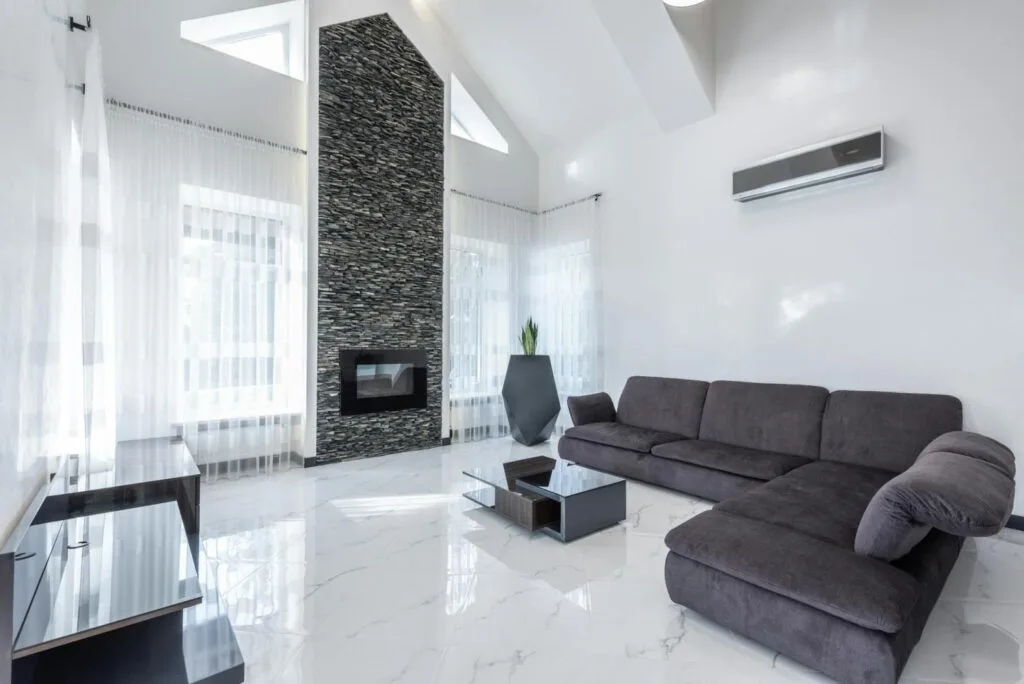
In this blog, we will share what really impacts your home’s comfort during summer, how to spot weak points in your system, and why smarter cooling starts with understanding the small numbers that carry big weight.
Why Your Cooling System’s Efficiency Matters
Let’s start with something most people overlook: your air conditioner’s efficiency rating. That little number—often buried in the specs or mentioned briefly by the installer—can make or break your comfort.
You’ve probably heard of SEER, even if you’re not quite sure what it means. It stands for Seasonal Energy Efficiency Ratio, and it measures how effectively your system converts electricity into cool air across an entire season. Think of it as miles per gallon, but for AC performance.
A higher SEER rating means better efficiency. Not just in energy savings, but in how well your system handles heavy loads, long afternoons, and those days when the heat seems to seep through the walls.
If your AC has a lower rating, it’s likely to run longer, struggle harder, and still leave parts of your home feeling warm and muggy.
That brings us to the core question: how does the SEER rating affect your air conditioner? Quite directly. Units with higher ratings cool more consistently, manage humidity better, and maintain comfort without the frequent on-off cycling that wears down components.
They’re designed to handle variable conditions smoothly, which means fewer hot spots, better air distribution, and quieter operation. In short, higher efficiency isn’t just about the electric bill—it’s about how your home feels.
The Humidity Trap
We talk a lot about temperature, but humidity is what makes a room feel sticky and suffocating—even when the thermostat says it’s cool. And as summer storms become stronger and more frequent, homes across the U.S. are feeling the effects.
When your cooling system runs efficiently, it naturally removes moisture from the air. But if it’s underpowered or aging, it might struggle to do both jobs at once.
You’ll get air that’s technically cooler, but still uncomfortable. That’s when dehumidifiers, either standalone or built into your HVAC system, become essential.
Keep a hygrometer in your living space to monitor indoor humidity. Aim for 40% to 50%. Anything over that, and your body won’t cool down properly. You’ll sleep worse, breathe harder, and your walls and windows may even start to sweat.
That’s not just annoying—it can lead to mold, mildew, and long-term structural damage.
Airflow Is the Unsung Hero
Even the best system will disappoint if the air isn’t moving where it needs to. Poor airflow is one of the top reasons homes feel uneven during summer. You know the feeling: one room is freezing, another is a sauna.
Start by checking your vents. Are they blocked by furniture or rugs? Are they even open? You’d be surprised how many people close off rooms thinking they’ll save money. In reality, it just throws your system out of balance.
Make sure your air filters are clean—replace them monthly during high-use seasons. Dirty filters restrict flow, increase dust, and force your system to work harder. If airflow problems persist, it might be time to have your ductwork inspected.
Leaks, kinks, or poorly designed layouts can waste cooled air before it ever reaches the rooms that need it most.
Sunlight and Insulation
The sun is a powerful force. Even with a high-performing AC, your comfort can suffer if direct sunlight is heating your space all day. Large south- or west-facing windows can easily raise the temperature of a room by five to ten degrees. The fix? Layered defenses.
Start with blackout curtains or thermal shades. Reflective window film is another affordable option. Better yet, shade the outside of your home with trees, awnings, or pergolas where possible. This reduces heat gain before it even reaches your glass.
Then there’s insulation. While most people associate it with winter, it’s just as critical in summer. Poor insulation lets cool air escape and hot air in, making your system run longer and less effectively.
Focus on attic spaces, walls, and crawlspaces. A well-insulated home stays cooler with less effort.
Modern Comfort Is Also About Air Quality
You can’t ignore air quality. In the past few years, wildfires, smog, and allergens have made clean indoor air a major part of summer survival. A sealed, cooled home is great—until the air inside starts to feel stale, dry, or filled with irritants.
Upgrading your HVAC system to include HEPA filtration or an air purifier can help. These systems remove pollutants, allergens, and even bacteria from the air as it circulates. You’ll notice a difference in how you breathe, sleep, and feel throughout the day.
You can also invest in systems that bring in fresh outdoor air without losing coolness—known as energy recovery ventilators (ERVs). These allow homes to stay sealed for efficiency while still keeping the air fresh.
Don’t Just Set It and Forget It
Too many people treat the thermostat like a magic wand. Set it to 72 and walk away. But in 2025, smarter cooling means smarter habits. Use a programmable thermostat or a smart model that adjusts based on your schedule.
Let the house warm up slightly when you’re away and cool it back down before you return.
Avoid drastic swings. Setting the temp to 65 when it’s 95 outside won’t cool things faster. It just makes your system run longer and harder than needed. Instead, aim for consistency. Find a temperature range that feels good and stick with it.
And if your system is more than 10 years old, consider an upgrade. Even if it’s still running, it may not be running well. Newer systems with high SEER ratings and variable speed motors adjust to your home’s needs in real time, which creates a smoother and more comfortable experience.
Comfort Is a Puzzle, Not a Switch
What makes a home feel comfortable in summer isn’t one single thing—it’s the way all these pieces fit together.
A well-maintained system with the right SEER rating, good airflow, solid insulation, humidity control, and smart usage habits creates a home that feels calm even when the world outside is melting.
Don’t wait until your next power bill shocks you into action. The most comfortable homes aren’t just cooler—they’re better prepared, more efficient, and far easier to enjoy.
Your comfort isn’t just a setting. It’s a system. And now is the perfect time to make sure yours is ready.