
According to a recent survey, 70 percent of smartphone users use public Wi-Fi hotspots.
However, what they don’t realize is that public Wi-Fi is not safe as data sent over these unprotected networks can be intercepted, risking online security and privacy.

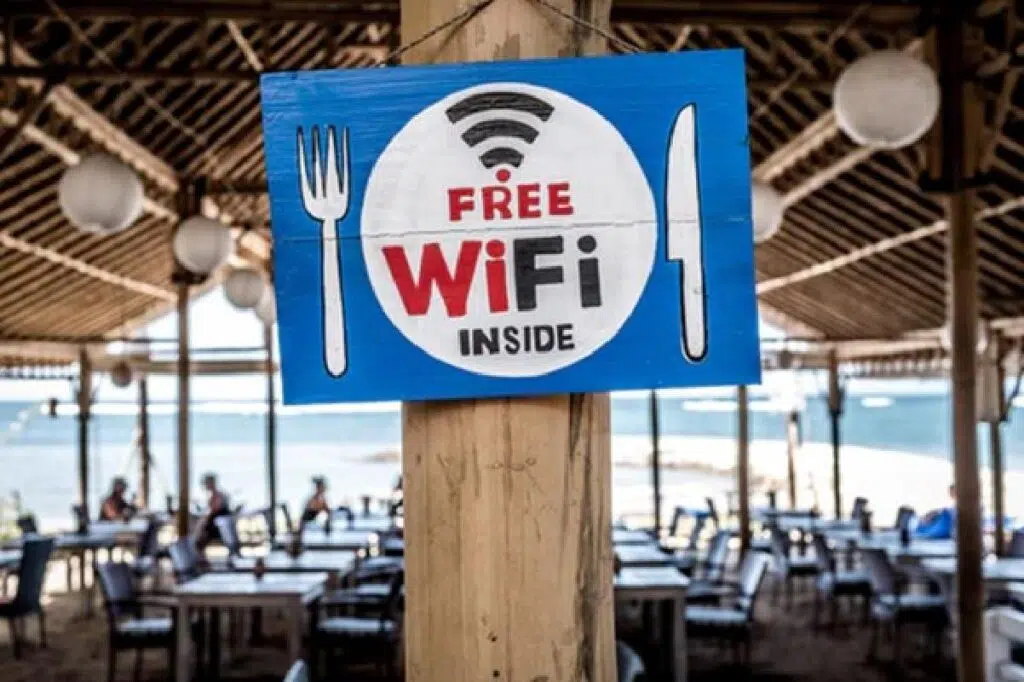
One way to protect your online privacy on public Wi-Fi is to use a virtual private network.
A VPN encrypts your data so when you are using Wi-Fi in public spaces such as coffee shops, public libraries, airports, or hotels, hackers cannot see your IP address.
VPNs also scramble your online traffic, making it untraceable.
There are hundreds of VPNs in the market and some providers offer services for free.
There are multiple secure, and fast free VPNs that you can use with public Wi-Fi, but keep in mind that not all VPNs are the same.
If you’re thinking of using a VPN for work-related purposes, you might want to think again.
While VPNs can handle internal access, using a basic VPN connection for third parties can expose a business network to more vulnerabilities, like hackers exploiting third-party connections or shared passwords.
VPN alternatives for businesses offer the same functionalities as VPNs, but provide stronger and more advanced security.
If your work requires an unshakeable layer of protection, the following alternatives are great options: identity and access management platforms, privileged access management, third-party security platforms, and zero trust network access.
Using Public Wi-Fi with a Free VPN
The major reason behind using a VPN with public Wi-Fi is to ensure online security and privacy.
If the VPN fails at providing the basic protection, it’s useless.
Using public Wi-Fi with a free VPN is not safe because free VPNs lack the encryption and security protocols required to protect your data.
According to a study by The Commonwealth Scientific and Industrial Research Organization (CSIRO) in Australia, not many VPNs offer the kind of security required by most users. Free VPNs also pose online privacy threats that a user cannot ignore.
The study also revealed that 67% of the free VPNs have embedded at least one tracking library in the code to track the online activities of their users.
They keep user logs and then sell the data to third-party advertisers.
This information includes the websites you visit, the model of the device you are using, and your browsing history.
So, in short, it is not safe to use public Wi-Fi with a free VPN because they don’t protect your online activities with strong encryption.
This way a hacker can steal your data in public with minimal effort.
5 Things You Need to Know About Using a Free VPN with Public Wi-Fi


If you are still considering using a free VPN to access public Wi-Fi, here are some things you need to know about potential issues and risks associated with free VPNs:
1. Free VPNs slow down your connection
Most free VPNs throttle bandwidth and slow down your connection speeds. You might face sluggish internet speed and constant buffering.
This is a tactic used by free VPNs to lure users into trying their premium services.
Premium VPNs on the other hand don’t throttle bandwidth and offer consistent speeds for online browsing, streaming, and more.
2. Free VPNs track online activities
According to CSIRO, 72 percent of the free VPNs contain third-party trackers. This is the most disturbing risk associated with free VPNs.
These trackers are used to gather information like your online activities which are then sold to advertisers so they can target you with intrusive ads.
And, what’s more, disturbing is that most free providers openly claim to log user data in their privacy policies.
3. Limited Data Allowance
Most free VPNs offer a limited amount of data that is not enough for daily online tasks. For example, most free VPNs like TunnelBear offer only 500 MB of data per month.
It is very less even for daily browsing or social media usage.
Free VPNs come with data caps to entice users to upgrade to their premium plans. Some free VPNs do offer unlimited data like ProtonVPN, but it is countered by extremely slow speeds and connectivity issues making them useless.
4. Annoying ads
Since free VPNs don’t charge users for their service, they make money by using ads.
When using public Wi-Fi with a free VPN, you will encounter constant pop-ups and ads whenever you turn on the VPN.
Ads not only slow down your connection speeds but also contain malware. These ads contain “adware” that not only poses security risks but also contain trackers and log your online activities.


5. Selling your bandwidth
In addition to tracking and ads, free VPNs are also notorious for selling your idle bandwidth. For example, Hola VPN – a peer-to-peer service was found selling user’s idle bandwidth for profit.
The bandwidth can be used for anything without you knowing about it.
During an incident, a botnet attack took over all computers in the Hola network and used them to conduct various DDoS attacks without the consent of the user.
In short, users potentially allowed cybercriminals to use their devices for crimes.
Final Words
Public Wi-Fi’s are not safe and are favourite hotspots for hackers to target users and steal personal data.
VPN is a necessary tool to safely access Public Wi-Fi as it uses a private tunnel to encrypt your online traffic making it untraceable.
However, free VPNs might not be up to the task as they pose various online security threats and performance issues.
We have highlighted a few major concerns with free VPNs, in case you want to try out a free service for accessing Public Wi-Fi.