
Hurricanes can cause widespread destruction, but with the right preparation, you can protect yourself and your loved ones. Knowing what to do before, during, and after a hurricane can make all the difference. Here are the top 10 essential items and actions you need to stay safe when a hurricane strikes.
1. Create an Emergency Kit
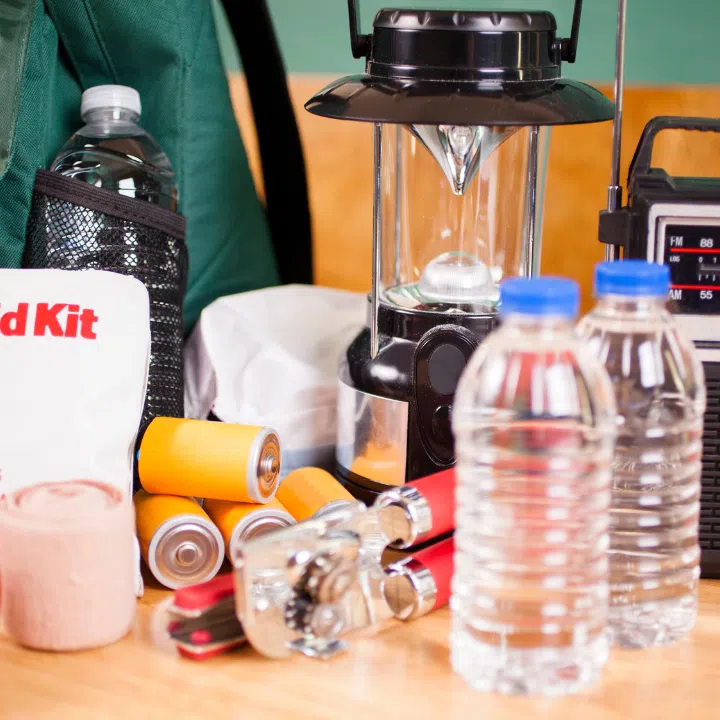
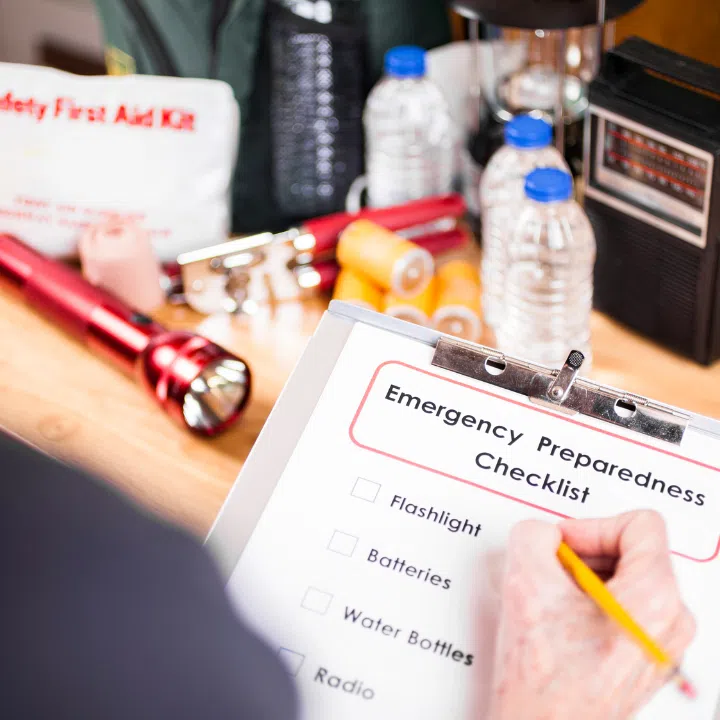
Your emergency kit should contain basic supplies to last at least 72 hours. Essentials include water (one gallon per person per day), non-perishable food, a flashlight, extra batteries, and a first aid kit. Make sure to include personal items such as medications, important documents, and cash. Don’t forget supplies for your pets as well. Keep this kit in an easily accessible location so you can grab it quickly if you need to evacuate.
2. Stay Informed with Reliable Weather Alerts
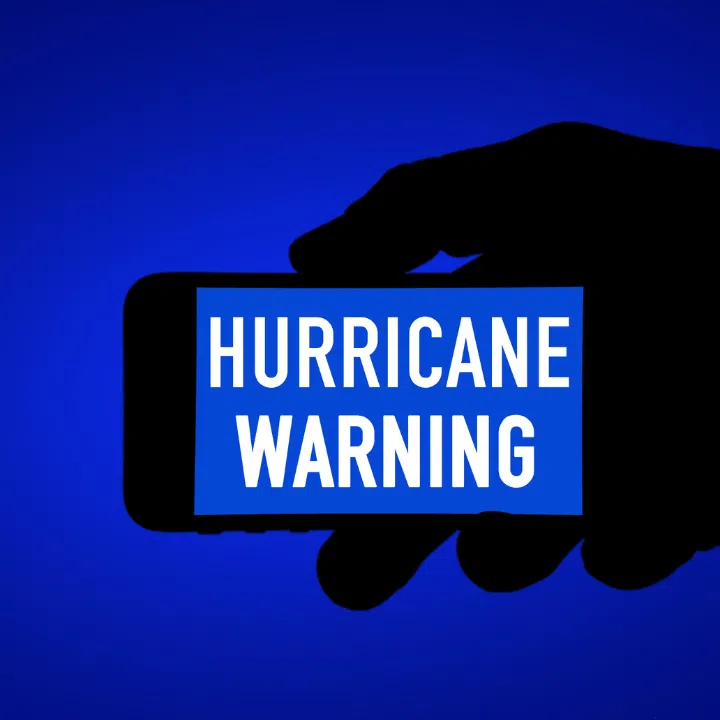
Receiving timely updates is crucial in a hurricane. Sign up for emergency alerts from local authorities and download weather apps that provide real-time updates. NOAA Weather Radio is another reliable source for continuous broadcasts of severe weather warnings. Be aware of the terms used in alerts, such as “watch” and “warning,” so you understand the level of threat. Stay connected with social media platforms and local news stations for important evacuation notices.
3. Secure Your Home
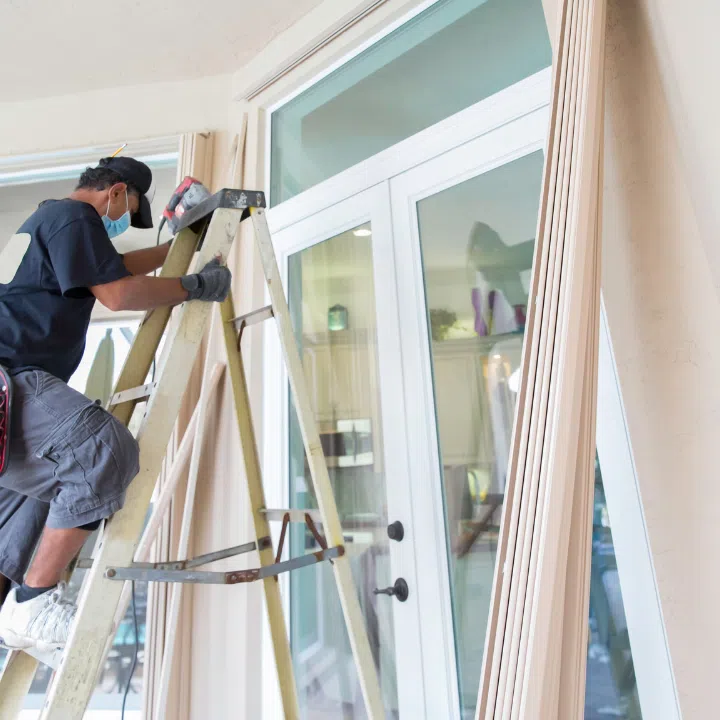
Before a hurricane hits, take steps to protect your property. Reinforce windows with plywood or storm shutters, and bring in any outdoor furniture or items that could become dangerous projectiles. Make sure doors are tightly sealed and garage doors are reinforced to withstand strong winds. If possible, trim trees and remove any loose branches that could cause damage. These precautions can minimize structural damage and help keep your home intact.
4. Prepare for Power Outages
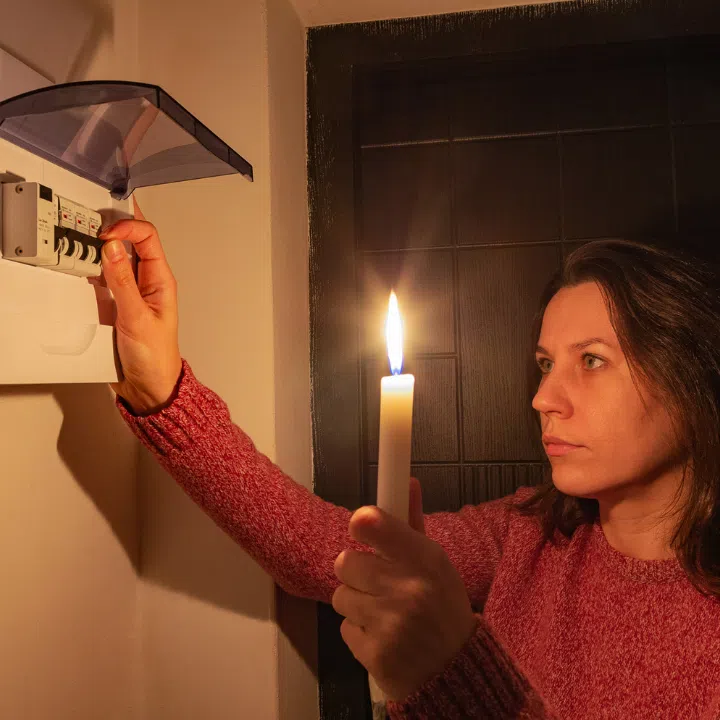
Hurricanes often cause power outages that can last for days or even weeks. Stock up on flashlights, candles, and portable chargers for your electronic devices. If you have a generator, ensure it’s in working order and that you have extra fuel on hand. Keep your refrigerator and freezer closed to preserve food for as long as possible, and fill bathtubs with water for flushing toilets. Having these items ready will make life more manageable when the power goes out.
5. Plan an Evacuation Route
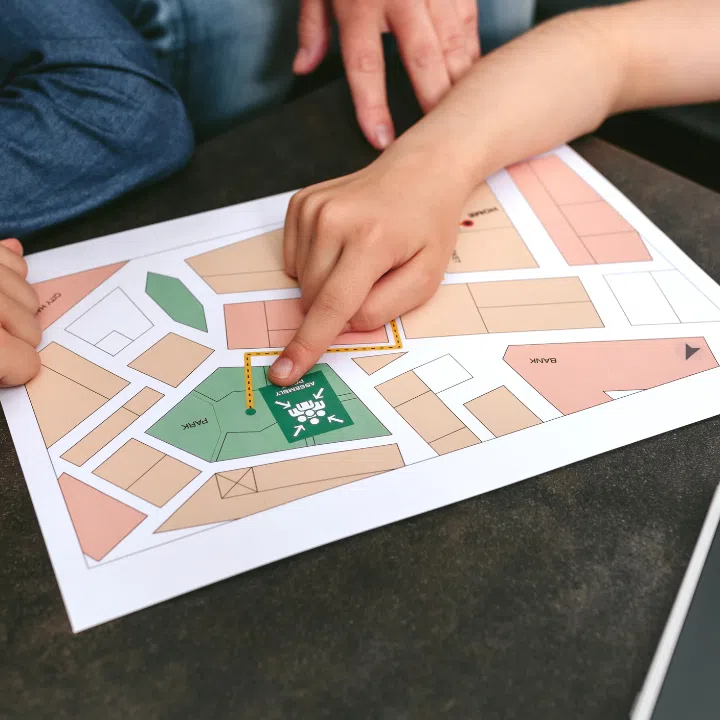
In case authorities issue an evacuation order, it’s important to know your route ahead of time. Identify multiple ways to leave your area and have a map in case GPS signals are down. Share your plan with family members so everyone knows where to meet if you get separated. Keep your car’s gas tank full and pack a bag with clothes, toiletries, and other necessities. Don’t wait until the last minute—leave as soon as an evacuation is recommended to avoid being caught in heavy traffic.
6. Gather Important Documents

Make copies of your important documents and store them in a waterproof, fireproof container. This includes identification, medical records, insurance policies, and any legal papers. In addition, take photos of your home and valuable items in case you need to file an insurance claim. Consider scanning and storing these documents electronically as a backup. Having these papers organized will expedite recovery efforts after the hurricane passes.
7. Protect Your Pets

Don’t forget your furry friends in your hurricane plans. Prepare a separate emergency kit for your pets with food, water, leashes, and any medications they need. Make sure your pet is microchipped and wearing a collar with updated contact information. Identify pet-friendly shelters or hotels ahead of time, as many emergency shelters do not accept animals. Having a plan in place will ensure your pets are safe and well cared for during a disaster.
8. Know How to Shut Off Utilities
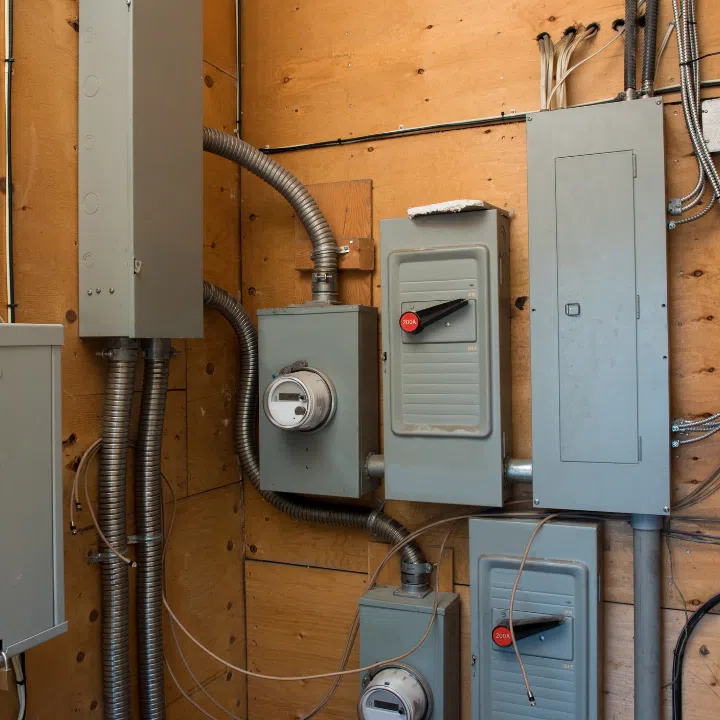
In the event of flooding or other damage, you may need to shut off your utilities to prevent further hazards. Familiarize yourself with how to turn off the electricity, water, and gas in your home. Do not attempt to shut off the gas yourself unless instructed by authorities—call the gas company if you suspect a leak. Keeping your utilities in check can prevent fires, gas leaks, and other dangers during and after the storm.
9. Stay Indoors During the Storm
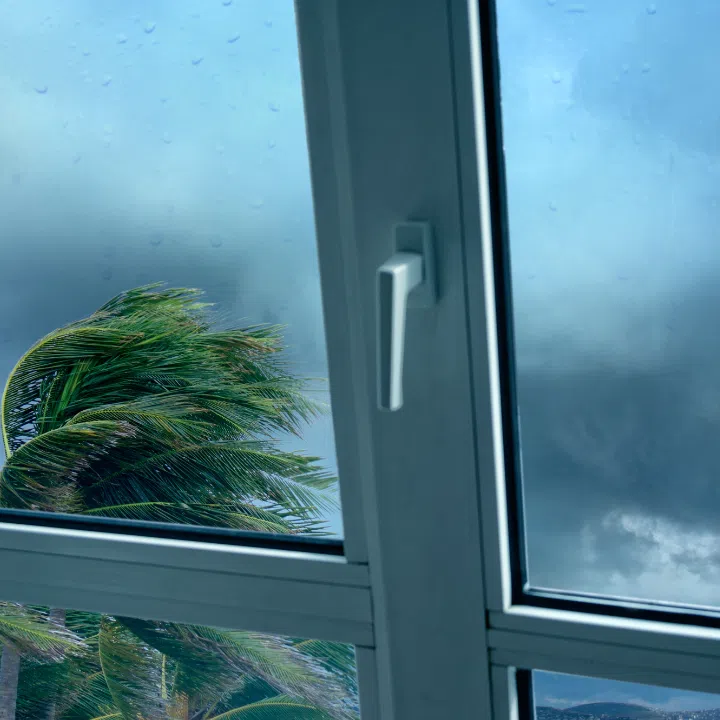
When the storm arrives, it’s important to stay indoors and away from windows. The eye of the hurricane may create a false sense of calm, but heavy winds can return quickly. Stay in a small, windowless room or hallway on the lowest level of your home, such as a bathroom or closet. If flooding is a concern, move to higher ground within your house. Avoid going outside until authorities confirm that the storm has passed completely.
10. Have a Recovery Plan
After the hurricane passes, recovery is the next critical step. Keep away from downed power lines and avoid driving through flooded areas. Contact your insurance company as soon as possible to report damage and start the claims process. Stay tuned to local authorities for guidance on returning home if you evacuated. Make sure to document any damages with photos or videos for insurance purposes. Having a solid recovery plan can help you rebuild your life more quickly after the storm.
Be Proactive and Stay Safe
Preparation is the key to staying safe during a hurricane. By following these steps, you’ll be well-equipped to protect your family, pets, and property. Don’t wait until the last minute—start planning today, and be ready when disaster strikes. For more hurricane preparedness tips and updates, click here to access our comprehensive guide and stay informed.