
Hurricanes can truly be devastating to a community. This guide on hurricane preparation shows you how to prepare your house for a hurricane.
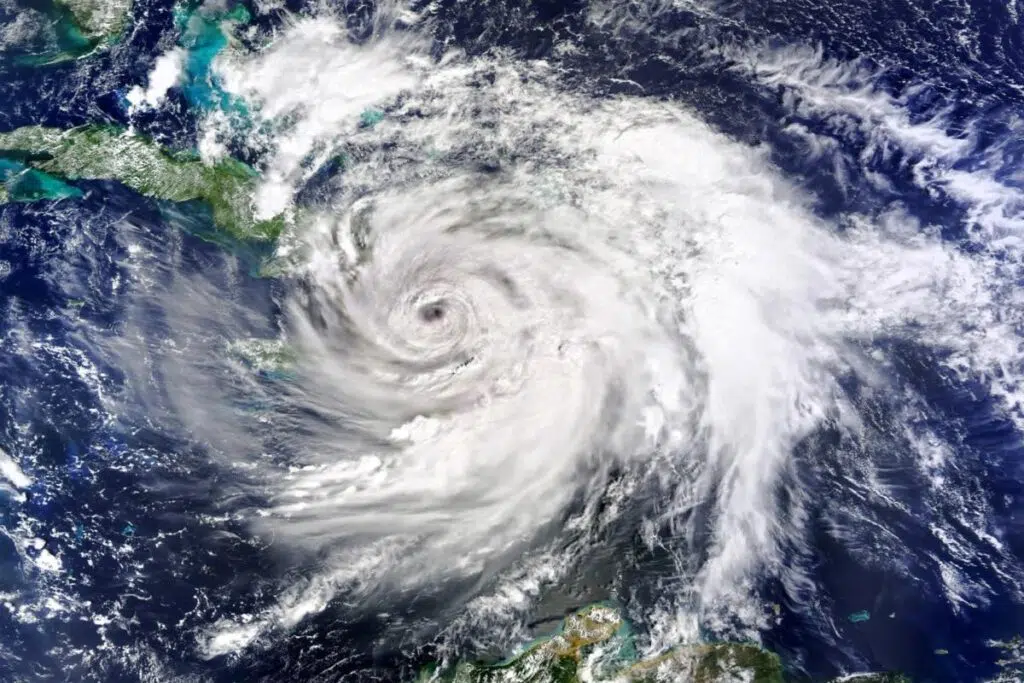
Are you ready for the upcoming hurricane season? Hurricanes are devastating; it can destroy structures, flood cities, kill wildlife, and even affect the economy.
That’s why it pays to prepare for hurricanes ahead of time. This will ensure you and your family stays dry, or at the least, safe from the destructive forces of a hurricane.
Don’t know how to prepare your house for a hurricane?
Preparing for a hurricane isn’t an easy task you can do in one day though. Some of the tasks, you’ll need to do at least a month prior.
Don’t worry, we’ll walk you all the way. Learn essential hurricane tips by following our guide below.
Inspect the Roof and Clean the Gutters
Your roof is going to take a lot of the hurricane’s impact, so you should inspect it for possible damages. Look for shingles that might be brittle, loose, or missing.
Don’t overlook this step. Even one weakness can bring the whole structure down in intense weather.
If you aren’t sure how to know if your roof is in good condition, call a contractor instead. They can inspect for vulnerabilities and fix them up before a storm hits.
Don’t forget your gutters; they need to be clean to work properly. They have the important role of redirecting water away from your home. Having debris also causes water to splash back into the roof.
Secure Your Windows and Doors
Heavy downpour and strong winds impact windows and doors with high intensity. Close them all before the hurricane hits. Buy hurricane shutters or board them up with a wood board; plywood would do.
Do this project at the start of the hurricane season or even before it. Stocks of plywood in stores tend to run out fast when there’s an incoming hurricane. Boarding up your windows and doors also take quite a while, so make sure you have enough time.
Don’t bother keeping some windows open; it’s a myth. While we’re on the subject of myths, don’t rely on tape to keep your windows together too.
Bring Your Furniture to Safety
If you have furniture outside, bring them in. Not only are they susceptible to damage, but they are also prone to get blown around by the wind. You’ll lose your furniture, and it also becomes a hazard that might damage other properties.
At the least, secure the large items to the ground and bring the smaller ones. Don’t forget about your tools outside, the antennae, the pillows on your patio furniture, and such. If you have a flimsy dog house, secure that one too.
While you’re outside, clear the area of any debris as well. These can become projectiles that can harm people and properties.
Prepare for Power Outages
When you learn how to prepare your house for a hurricane, you have to consider running out of power. It’s common for power outages to happen during hurricanes, so it makes sense to make sure you’re prepared for it. Get a generator or make sure your generator has enough fuel in it.
If you can’t afford one though, get candles, charge your portable chargers, buy plenty of batteries for your flashlights, and so on. Account for power outages when preparing for other stuff, like food, water, and medicine.
Stock up on Food and Water
You don’t know how many days you’ll need to survive without going out of the house. You have to make sure you always have enough for your whole family to eat for a few days.
Canned goods are the first choice for disasters. They last longer and you don’t need to cook most of them. Choose ones that don’t require added water or milk.
If you have food in your freezer, crank up the refrigerator to the coldest setting. This way, your food items will stay cold for longer should you lose electricity.
As preparation for a power outage, eat the perishables in your fridge first. Non-perishables go last.
You also need to have enough water. Fill up empty jugs with potable water; you may put them in the freezer if space permits. This way, they can help make the perishables stay cold longer.
A prolonged outage is possible during calamities which may eventually lead to running out of water to drink. In this case, having a reliable delivery service such as Specialty Fuel Services that can provide you with potable water is essential and worth looking into.
For reference, adults need about 2.7 to 3.7 liters per day. Don’t forget to account for your infants and pets.
Drinking water is one thing, but what about water for bathing and sanitary purposes? For that, your bathtub will be great. Disinfect it, seal the drain, and fill it up with water.
Build a Survival Kit
Put together some supplies that will help you survive through days of no electricity, water, and stores. Apart from food, water, and medicines (which we’ll cover later), you should also have light sources, extra batteries, a radio, cash, and a first aid kit.
Important documents, such as insurance paperwork and identification, should be in a plastic bag before you put them in your kit. Stuff your portable chargers here too.
Pack them all into a single bag you can carry in one swoop. You may have to evacuate your home in a hurry.
Should you have to evacuate by car, make sure you have jumper cables, flares, and extra cans of gas. A physical map will also come in handy in cases where you can’t use your phone.
Prepare Extra Medicines
First, you should have the basics. Pack some pain relievers, antacids, antihistamine, and medicine for cough and cold.
Then, you should also have enough prescription medication. Refill it when you can and make sure you have enough for weeks. Pharmacies may not open for weeks following a calamity.
Don’t go at the last minute, but don’t buy your medications too early ahead of time. This is to ensure they’re still okay to take by the time you need to use them.
In some cases, insurers won’t cover refills unless the previous refill is running out or has run out. You may have to pay for extra medication out of the pocket.
You can buy new ones for your emergency stash when there’s an impending hurricane.
Review Your Insurance
Your home insurance is your house’s safety net when the storm ends up destroying a part or your whole property. However, you have to ensure all your valuables have coverage.
Many home insurance policies don’t include flood coverage too. Make sure you get one, as flooding is a common side effect of hurricanes.
Review your insurance policy to see if it covers everything. If not, buy better insurance or add coverage to your current policy.
Do this way before the hurricane season. That’s when the insurance prices are at the highest.
Prepare your insurance documents as well. You’ll need these when you need to make a claim or get assistance.
Make an Evacuation Plan
If worse comes to worst, you may have to evacuate your home for safety. In such an event, you need to know where you’re going.
Pick at least two safe locations outside the hurricane impact zone and determine the routes you need to take to get there. Even the door you’ll use as you evacuate should be a part of your plan.
Your city will advise on which roads to take should you need to get out. Ask around or go online to check which roads would be safer.
Look for evacuation shelters as well, and call them ahead of time to make sure they can accommodate your family, including your pets.
Include your vehicle in your plans. After all, it’s going to be the key part of your evacuation plan.
Make sure it has enough gas and park it somewhere safe. In a lack of garage, park your car as close to your house as possible. Avoid trees that may fall and damage your car.
Create emergency contacts too. These can be people who can help in a jiffy or family members who need to know where you’re going.
Then, ensure your whole family is in on the plan. Designate tasks, like who will get the pet, who will take the emergency supplies, and so on.
Create a Checklist
Create a hurricane preparation checklist of everything we’ve covered in this article and keep it somewhere close, like in the drawers in your nightstand. When you know a hurricane is coming, go through it to make sure you have everything you need.
It’s also a good idea to check on it every couple of months to ensure your emergency kit is well-stocked. You may need to replenish it, especially if you’ve used up some of the items in a previous emergency, some food items had already expired, or some already have damage.
In the process, make sure your tools are working too. Inflate your inflatable bed to ensure there are no holes and see if your batteries still have a full charge.
Now You Know How to Prepare Your House for a Hurricane
Learning how to prepare your house for a hurricane should be way ahead of the hurricane season. This gives you ample time to gather supplies and get your house ready for a lot of impacts.
All may be well now, but it won’t be when a hurricane hits. You can never be too prepared, so if you need more tips, learn more with our blog posts and guides right here!