
Menopause can cause a whole range of unpleasant symptoms, including temperature dysregulation, insomnia, and mood changes. But luckily there are medical interventions that can help ease this rocky transition, such as hormone replacement therapy. HRT usually involves taking estrogen (and sometimes progesterone) to raise your hormone levels and make you feel better. If you’re suffering from these 11 signs of menopause, it may be worth discussing HRT with your doctor to figure out if it’s right for you.
1. Brain Fog
According to Fortune, brain fog is a lesser-known symptom of menopause that can wreak havoc on your life. Women suffering from mental fog may experience frequent memory lapses, confusion, concentration difficulties, and more. These disruptive symptoms can make daily activities a struggle and cause you to unintentionally drop the ball at work or home. HRT may help restore your mental clarity, enabling you to perform at a higher level.
2. Mood Changes
Mood changes are another side effect of menopause according to Fortune. Many women describe feeling unusual levels of anger and frustration due to hormone fluctuations. “Meno rage” can be difficult to control and cope with, putting strain on you and your loved ones. If deep breathing and mindfulness techniques just aren’t cutting it, you may want to explore HRT options like pills, patches, and creams. These treatments can alleviate hormone-related mood swings and help you feel more like yourself.
3. Temperature Dysregulation
When menopause is brought up in conversation, most of us immediately think of hot flashes. They’re synonymous with the change of life, causing flushing, sweating, and an unbearable feeling of warmth that spreads across your entire upper body. Sometimes they can be so intense that they interrupt your day and force you to stop what you’re doing until they pass.
Women over 50 also report other types of temperature dysregulation, such as cold flashes and night sweats that disrupt their sleep. If you’re experiencing any of these uncomfortable temperature fluctuations, it’s important to speak to your doctor.
4. Hair Loss


Many women take pride in their hair and view it as part of their identity, so it can be upsetting when they lose their locks. Due to decreased estrogen levels, your hair may start to become thin, dry, and brittle. You may also develop a receding hairline or widening part. Over-the-counter remedies like Rogaine and collagen supplements may help support hair health and growth.
However, if more treatment is needed, prescription medications could be an option. According to a study in the Women’s Journal of Dermatology, nearly 75% of women reported a stabilization or improvement in hair loss after taking a testosterone-blocking medication called spironolactone.
5. Joint Pain

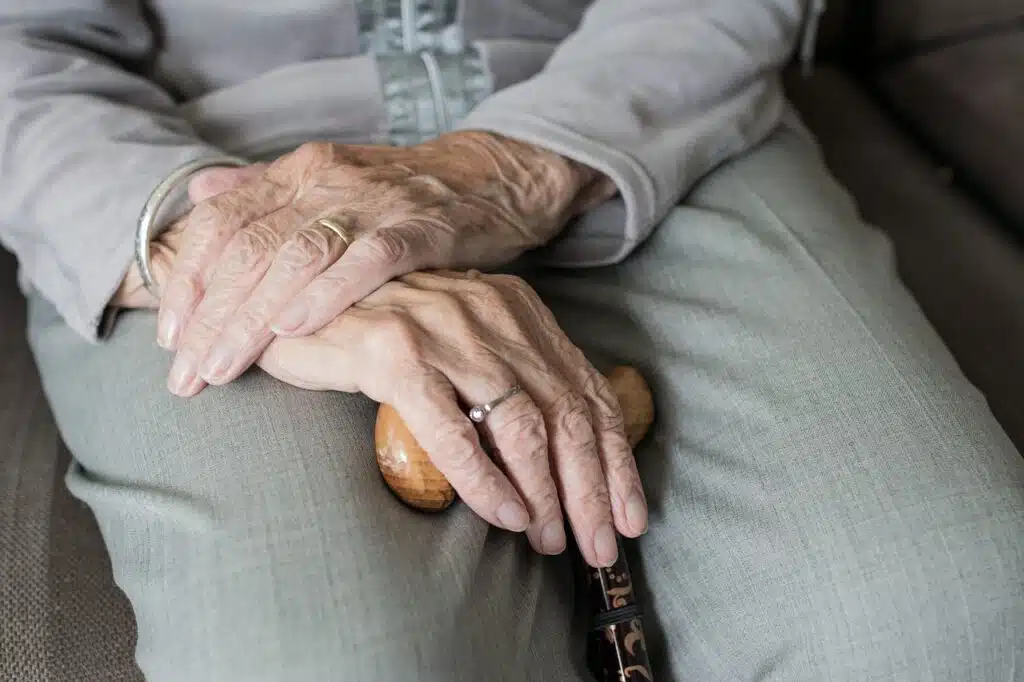
Although joint pain is associated with aging, menopause may be the real culprit in some cases according to Let’s Talk Menopause. Declining estrogen levels can reportedly cause our stores of joint fluid to dry up, causing significant discomfort. Staying active and taking OTC anti-inflammatories such as turmeric and Aleve may ease joint pain. Experts say hormone therapy can also provide relief for some women.
6. Insomnia
According to Johns Hopkins, sleep disturbances are common during menopause and perimenopause. During this life transition, it’s common for women to develop sleep disorders. Due to decreased estrogen levels, postmenopausal women are two to three times more likely to develop sleep apnea than premenopausal women. Hot flashes can also contribute to insomnia and restless sleep. If you’re struggling with sleep, hormone replacement therapy and certain SSRIs may help improve sleep quality, so be sure to talk to your doctor.
7. Decreased Drive
If you’re having trouble in the bedroom, you’re not alone. Women over 50 often report decreased drive due to menopause. Plus, the last thing you want to do is get intimate when joint pain and hot flashes are making you feel downright awful. HRT can help kickstart your desire and relieve the uncomfortable symptoms that are ruining the mood.
8. Weight Gain
Do you have stubborn belly fat that came on quickly and won’t go away? According to UChicago, many middle-aged women experience weight gain due to age-related metabolic changes and hormone loss. Although experts say HRT won’t help you lose weight, it may redistribute fat from your midsection to your lower body. This may reduce the appearance of the dreaded “menopause belly.” Hormone replacement can also alleviate symptoms like hot flashes that make it hard to exercise, enabling you to make healthy lifestyle changes that will aid in weight loss.
9. Anxiety and Depression
Unfortunately, the end of menstruation can also trigger changes in your mental health. Menopause-related hormonal fluctuations can increase your risk of developing conditions like anxiety and depression. That’s why it’s important to practice self-care during this transition. Eating a nutritious diet, exercising, socializing, and engaging in meaningful hobbies can improve your overall well-being.
10. Headaches
Many women get headaches during their period, and unfortunately they don’t always go away during menopause. According to the American Headache Society, studies have shown that headaches improved in about 25% of menopausal women and worsened in 35%. This symptom might not improve with hormone therapy, which can even make headaches worse in some cases. Experts say non-hormonal medications like gabapentin and alternative treatments such as acupuncture can be effective headache treatments.
11. Heart Palpitations
According to Medical News Today, menopause can even cause heart palpitations. Although this symptom is alarming, it isn’t necessarily harmful or a sign of a more serious problem. However, you should get in touch with your doctor if heart palpitations occur to ensure nothing is amiss. Lifestyle changes like avoiding coffee and practicing mindfulness can help provide some relief.
Is HRT Right For You?
HRT isn’t without risks and isn’t right for everyone. Certain types of treatments, such as combo hormone therapy, could increase your chances of developing breast cancer according to Fortune. As a result, it’s important to discuss your symptoms, health history, and concerns with your OB/GYN. Working together with your doctor to find the best solutions for your situation will help you thrive during this life transition.